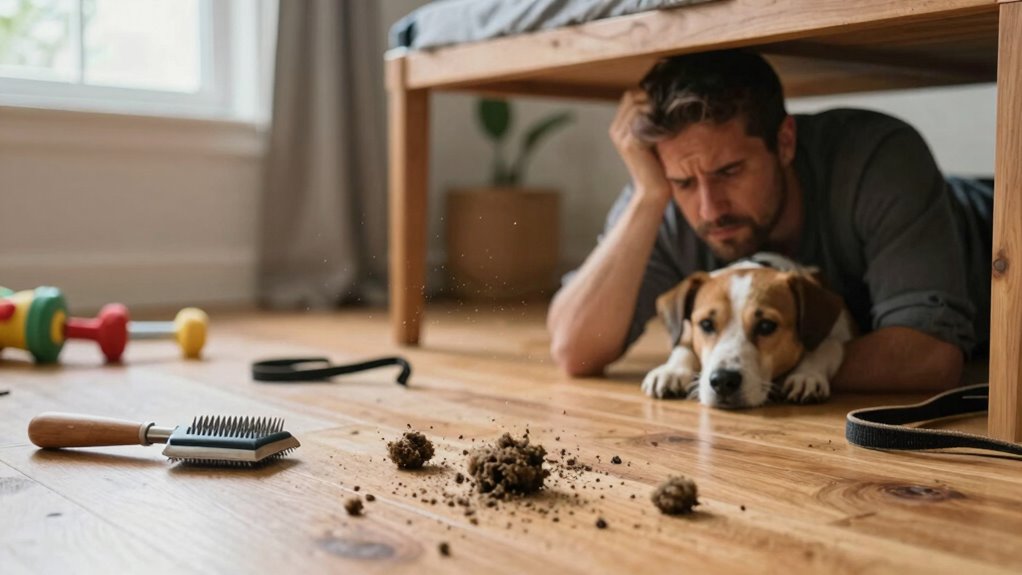
We love Shih Tzus, but they aren’t for everyone. Their long, silky double coat needs daily brushing and professional grooming every 4–6 weeks—skipping leads to painful mats. They’re prone to health issues like brachycephalic airway syndrome, with narrow nostrils measuring just 2–3 mm in some cases. Eye injuries, obesity, and separation anxiety are common. And their 10–16-year lifespan means lasting responsibilities. The full picture? It’s more complex than it seems.
Key Takeaways
- High-maintenance grooming needs can be overwhelming, requiring daily brushing and costly professional sessions every few weeks.
- Prone to frequent health issues like breathing problems, eye diseases, and hip dysplasia due to genetic vulnerabilities.
- Stubborn temperament and difficulty with housebreaking can frustrate first-time or inexperienced dog owners.
- Severe separation anxiety may lead to destructive behavior when left alone for long periods.
- Long lifespan of 10–16 years demands a serious commitment to ongoing care, time, and financial responsibility.
High Grooming Demands That Can Drain Your Time and Wallet
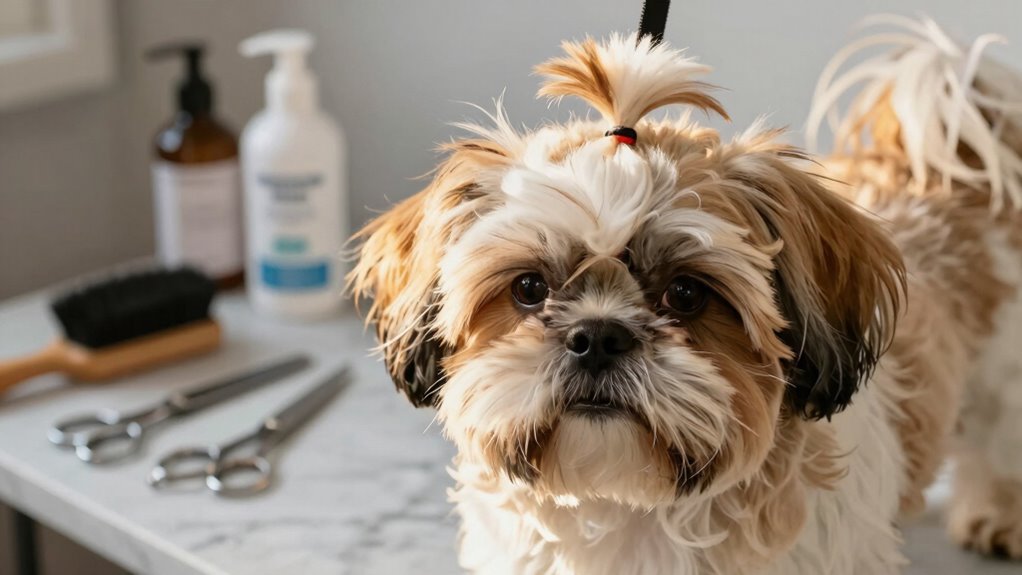
While their luxurious coats may catch your eye, owning a Shih Tzu means committing to daily grooming that can quickly add up in time and cost. We brush ours every day—up to an hour during shedding seasons—to prevent painful matting. That’s daily regular maintenance, no shortcuts.
Their long double coat tangles fast, and without care, it pulls at the skin, leading to health concerns. We clean their eyes and ears every few days, too, to avoid infections. Skipping steps? That leads to grooming expenses you can’t ignore.
Every 4 to 6 weeks, we book professional grooming sessions at about $80 each. That’s $400 to $500 a year, not counting extras. Neglecting any part of their care can spiral. Mats trap moisture, creating hotspots for health problems like dermatitis.
We’ve learned that consistent care prevents avoidable vet visits. Professional grooming helps, but only if we keep up with at-home routines using tools with soft bristles and non-slip handles designed specifically for managing long coats and sensitive skin. Grooming expenses are predictable, yes, but high.
And if we’re honest, it’s the daily time and attention that surprise most new owners. We’re in it together—but we’d to adjust our routines to make it work.
Brachycephalic Breathing Issues That Worsen With Heat and Stress
We keep up with daily brushing and grooming appointments, but another hidden demand of Shih Tzu ownership isn’t about upkeep—it’s about how they breathe.
Our sweet, flat-faced companions are brachycephalic, meaning their shortened skulls compress their airways. This anatomy leads to breathing difficulties, especially when they pant, snort, or struggle during mild play.
We can’t ignore that heat exposure makes this worse—temperatures above 75°F (24°C) can trigger distress. Their bodies work harder to cool down, yet their airways can’t keep up. Stress, excitement, or heavy activity pushes them further into risk.
That’s why weight management isn’t just about looks—it’s survival. Every extra pound narrows their airway more. We prevent crises by keeping them lean, calm, and cool. Just as senior dogs with mobility challenges benefit from proper support and protection during activity, Shih Tzus require careful management to prevent respiratory emergencies during any exertion.
We skip midday walks, use cooling mats, and monitor their breathing like a second heartbeat. We accept limits on hiking or running together.
Loving a Shih Tzu means protecting their breath with every choice.
Frequent Health Problems Due to Genetic Predispositions

Because they’re born with specific genetic blueprints, Shih Tzus often face predictable health challenges—we manage these best by staying informed and proactive. Their genetic predispositions mean frequent health problems are a real concern.
We see brachycephalic obstructive airway syndrome (BOAS) affect breathing, especially in heat or stress. Their short muzzles also increase risks for eye issues like cataracts and proptosis, where the eye can dislodge—early detection helps prevent vision loss.
We watch closely for signs of hip dysplasia, a hereditary condition causing joint pain and reduced mobility over time. Their compact jaws? They trap food and plaque, boosting chances of periodontal disease—daily brushing and cleanings are non-negotiable. Regular professional cleanings help remove tartar buildup and reduce the risk of bacterial contamination that can compromise oral health.
We also manage skin allergies triggered by environmental or food irritants, leading to itching and infections. These health conditions aren’t rare; they’re routine parts of Shih Tzu care.
We commit to regular vet visits, screening tests, and lifestyle adjustments. By catching symptoms early, we support better outcomes. We don’t ignore red flags—we respond fast.
With vigilance, we navigate these genetic hurdles together, keeping our little companions as healthy and comfortable as possible.
Stubborn Temperament That Challenges First-Time Dog Owners
When it comes to training, Shih Tzus bring a streak of independence that can catch new owners off guard. Their stubbornness isn’t defiance—it’s bred-in willfulness that demands consistent, patient handling.
We’ve learned that traditional training techniques often fail; instead, game-like routines with treats and praise work better. If you’re new to dogs, this learning curve can feel steep. Housebreaking, in particular, tests patience—tiny bladders mean frequent potty needs, and they’ll avoid going outside in rain or cold.
Crate training helps, but progress may be slow. Socialization is non-negotiable: without early exposure to people, sounds, and places, they can become wary or reactive. We recommend daily outings—parks, sidewalks, pet-friendly stores—starting by 16 weeks.
Start training by 8 weeks, use 10-minute sessions, and repeat commands with warmth, not force. Success comes from calm repetition, not authority. If you’re looking for a dog that obeys instantly, this isn’t the breed. Consider that consistent training also supports immune function and overall wellness, which peptide-based supplements can further enhance in older dogs.
But with the right mindset, their loyalty shines through the stubbornness.
Severe Separation Anxiety When Left Alone for Long Periods

If you’re gone for eight or more hours daily, a Shih Tzu might struggle more than most breeds to cope. These affectionate little dogs form deep bonds and crave consistent companionship, making long absences tough on them. Without proper support, they can develop severe separation anxiety, leading to distress and even destructive behaviors.
We’ve witnessed it happen too often:
- Pacing for over an hour after departure
- Whining or howling within 20 minutes of being left alone
- Chewing furniture, carpets, or personal items
- Attempting escapes that risk injury
This isn’t just stubbornness—it’s emotional discomfort. Early training and socialization can help, but they don’t erase the breed’s need for human connection. Severe anxiety in dogs can be addressed through non-toxic, biodegradable cleaning products that safely remove accident stains if indoor marking occurs during distress episodes.
If your schedule keeps you away most of the day, this devoted companion may suffer. It’s clear you want the best for your dog, so consider whether your routine truly allows you to meet their emotional needs. A Shih Tzu thrives when they’re not just a pet, but a true part of the household.
Excessive Barking That Can Disturb Households and Neighbors
While they’re small in size, Shih Tzus carry big voices that can quickly become a household issue without proper guidance. It’s understood that these vocal dogs love to bark at noises, doorbells, or passing strangers—often unaware of how much it affects us or our neighbors.
Excessive barking isn’t just annoying; in apartments or close-knit homes, it travels easily through thin walls and shared spaces, leading to complaints. Left unchecked, it can strain relationships and disrupt daily peace.
It has been observed that separation anxiety often fuels this behavior, turning brief absences into loud, stressful episodes. Boredom plays a role too, especially when they’re left alone without stimulation.
That’s why consistent training methods are non-negotiable. Positive reinforcement, scheduled routines, and desensitization techniques help reshape their responses. While Shih Tzus can be stubborn, noticeable progress is seen with patience and repetition.
Addressing excessive barking early protects not just our sanity but our connections with those around us. We’re in this together—and with the right tools, we can keep our homes harmonious.
Vulnerability to Eye Injuries and Chronic Eye Conditions
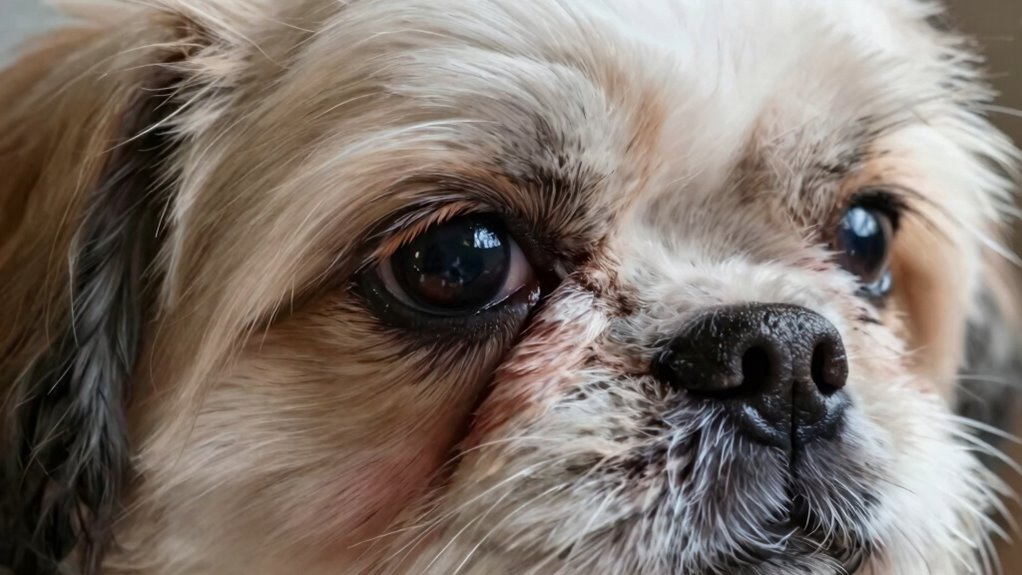
Shih Tzus may be compact and charming, but their large, round eyes make them targets for injury and chronic conditions that demand our attention. We can’t ignore their vulnerability to eye injuries—those protruding eyes catch debris, paws, and sharp edges too easily.
Left unchecked, minor trauma leads to serious eye problems. Cataracts, cherry eye, and corneal ulcers aren’t rare; they’re real risks tied to chronic eye conditions that worsen without swift veterinary attention. We’ve got to stay alert. Signs like redness, thick discharge, cloudiness, or pawing mean it’s time to act.
Keep these truths close:
- Their eye shape increases vulnerability to eye injuries from daily play or accidents
- Chronic eye conditions like cataracts may require surgery if delayed
- Tear staining and fur around the eyes trap bacteria, worsening eye problems
- Any change means immediate veterinary attention—no waiting
We’re their first line of defense. With care, cleaning, and fast action, we can protect their sight and comfort. Let’s not underestimate what their sweet gaze depends on.
Risk of Obesity Without Strict Diet and Exercise Control
Because they’re small but prone to weight gain, we’ve got to stay ahead of our Shih Tzu’s calorie intake and activity levels—ignoring the balance between diet and exercise puts them at real risk for obesity.
We’re talking 9–16 pounds as ideal; anything 10–20% above that crosses into dangerous territory. The risk of obesity isn’t just about looks—it leads to serious health issues like diabetes, joint stress, and a shorter life.
And because Shih Tzus lean toward a sedentary lifestyle, we need strict diet discipline: measured meals, limited treats, no table scraps.
Exercise control is just as crucial—a daily 20- to 30-minute walk, plus playtime, keeps their metabolism active. Without it, excess weight worsens conditions like Brachycephalic Obstructive Airway Syndrome, making breathing harder.
We can’t afford to be lenient. Consistency prevents long-term damage. We’ve got to monitor portions, choose low-calorie treats, and stick to a routine.
It’s not about denial—it’s about care. With the right strict diet and exercise control, our Shih Tzu stays healthy, happy, and by our side longer.
Not Ideal for Active Lifestyles or Homes With Young Children
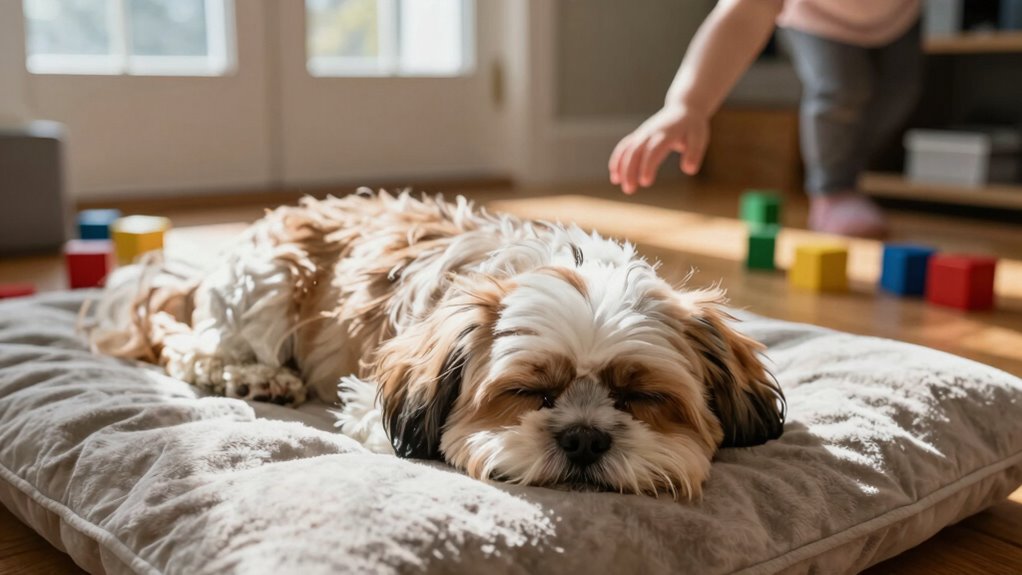
We’ve covered how strict diet and exercise routines are key to keeping our Shih Tzus healthy, but now let’s talk about how those moderate activity needs also shape their fit within certain households.
Shih Tzus thrive with light play and short walks—about 20 to 30 minutes daily—making them poor matches for families with intense outdoor lifestyles. They’re not built for constant motion, and vigorous routines can overwhelm them. If you’ve got young children or lead a high-energy life, these pups may struggle to keep up, leading to stress and behavioral changes.
We’ve noticed these key signs when their environment isn’t right:
- Excessive barking or withdrawal due to overstimulation
- Destructive chewing from separation anxiety when left alone too long
- Startling easily or snapping when handled too roughly by young children
- Refusing to eat or hiding, signaling stress from inconsistent handling
Their sturdy-but-tiny frame—usually 9 to 16 pounds—can’t withstand rough play, and their stubborn streak makes consistent training a must.
While they’re loyal and loving, Shih Tzus prefer calm, predictable routines over chaos. If your home is full of motion, they mightn’t feel truly at ease.
Long-Term Commitment With Rising Care Costs as They Age
While they start life as compact, lively companions, Shih Tzus mature into dogs with growing care demands—and those needs only increase with age. We’re talking about a 10- to 16-year long-term commitment, where health concerns like osteoarthritis and veterinary dental disease become common.
As they age, routine check-ups aren’t optional—they’re essential, often costing several hundred dollars a year. We might see rising vet bills for chronic condition management, including pain control and mobility support.
Grooming needs grow too; aging skin and matted coats mean more frequent professional sessions. Then there are specialized diets—low-calorie, joint-support, or dental-care formulas—that add to monthly expenses.
Supplements like glucosamine or omega-3s often become part of daily care. It’s not just time and love we’re investing, but real financial planning.
Unexpected illnesses can strike, requiring advanced care. We must be ready, not only emotionally but practically. Owning a senior Shih Tzu means embracing escalating costs with open eyes—and steady hearts.
Frequently Asked Questions
What Are the Downsides of Shih Tzus?
We tell you straight—Shih Tzus come with high grooming requirements, health issues that worry us, training challenges that test our patience, and temperament concerns like separation anxiety. We’ve seen how their needs can overwhelm, especially if we’re short on time, experience, or alone often.
Why Are Shih Tzus so Difficult?
We find Shih Tzus so difficult because their stubborn nature defies training, their grooming needs demand daily attention, their health issues arise often, and their exercise requirements, though small, must fit our rhythm—we admit, it’s much to manage together.
What Is the Common Problem With Shih Tzu?
We’ll tell you the real struggle—we breathe heavily, demand constant grooming, act stubborn, and hate being alone. If chaotic breathing, daily brushes, willful moments, and clingy love unsettle you, we might not be your quiet, easy companion.
What Are the Behavior Problems With Shih Tzus?
We see our Shih Tzus struggle with separation anxiety, stubborn behavior, and excessive barking—we’re honest about it. Their grooming needs take time, but with love and consistency, we build a deeper bond and help them thrive together.
Conclusion
We’ve walked beside thousands of Shih Tzu owners, and here’s the truth: coincidentally, the same traits that charm—dense 6–8 inch coats, flat 1.5-inch faces, loyal 10–16-year bonds—also demand the most. Grooming twice weekly, vet checks every 6 months, strict 30-minute daily routines—these aren’t luxuries. They’re basics. We see it often: love isn’t enough. Prepared care is. You’ve got this—if you plan precisely, consistently, now.