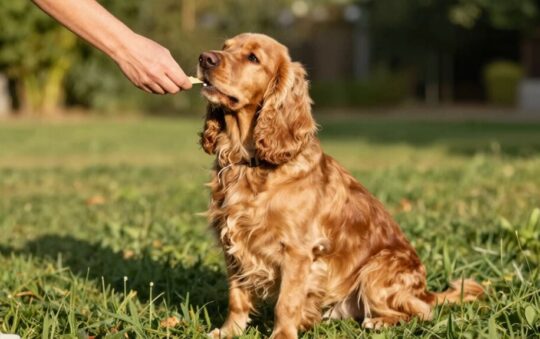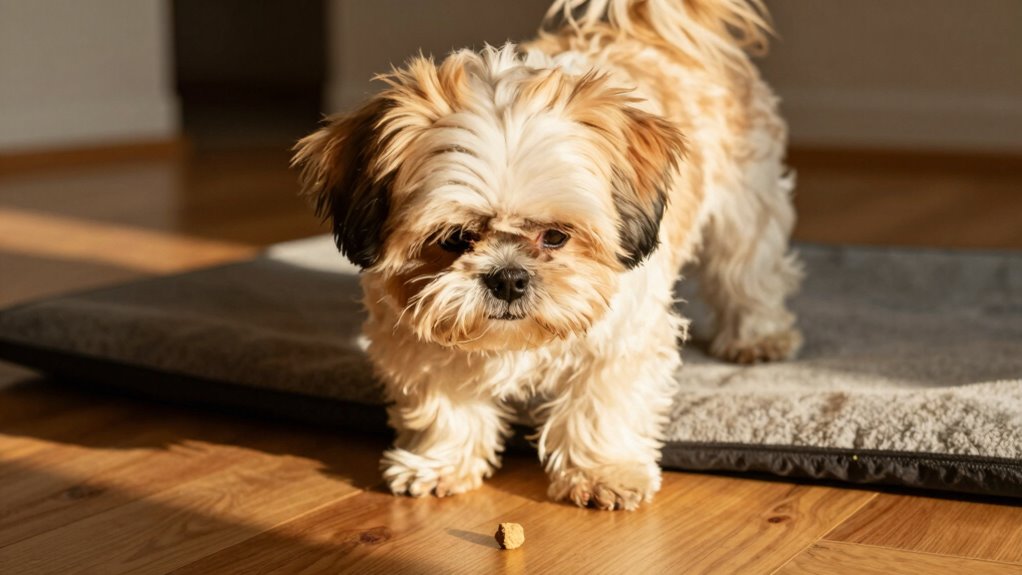
We’ve trained dozens of Shih Tzus, and we understand their stubborn streak doesn’t mean they can’t learn. It means we need the right approach. Consistency, timing, and calm reinforcement matter more than force. We stick to a 1–2 hour potty schedule, watch for the faintest sniff or pause, and use the same two-word cue every time. Success? Immediate praise, a small treat—no exceptions. You’re about to see exactly how this works step by step.
Key Takeaways
- Establish a consistent hourly potty schedule, especially after meals, play, and naps to match Shih Tzu elimination patterns.
- Use a clear, repeated cue like “go potty” each time to build strong verbal-spatial associations.
- Watch for subtle signs—sniffing, circling, or pausing play—to catch the need before accidents occur.
- Immediately reward successful outdoor potty trips with treats and enthusiastic praise to reinforce behavior.
- Never punish accidents; maintain patience and focus on positive reinforcement to build trust and motivation.
Understand the Shih Tzu Mindset

While their adorable looks might charm you, understanding the Shih Tzu mindset is key to successful potty training. It’s understood that Shih Tzus can be independent, even a little stubborn—common traits in small breeds that demand patience. Their tiny bladders mean potty breaks every 1–2 hours, especially after meals or play.
It’s not just about timing, though; consistency is key. These dogs thrive on routine, so predictable potty habits form faster when structure stays steady.
We’ve found that positive reinforcement—think small treats, cheerful praise—works best. Shih Tzus want to please, and we use that to our advantage. Avoid scolding; it backfires. Instead, we celebrate successes immediately. Like all dogs, Shih Tzus benefit from ergonomic tools and comfortable grooming experiences that reduce stress during training sessions.
We also watch for signs: sniffing, circling, or sudden stillness. When we respond fast, we build trust and progress.
We tailor the space too—indoor comfort near the potty area keeps them relaxed. We’re not just training; we’re guiding. With consistency as key and positive reinforcement as our core tools, we shape reliable potty habits together.
We’ve got this.
Create a Reliable Potty Schedule
We start every successful potty training journey by building a reliable schedule—this means taking our Shih Tzu out first thing in the morning, within 5–10 minutes of waking. Their small bladders can’t hold urine for long, so a consistent feeding schedule helps us predict when potty breaks are needed. A reliable potty routine reduces accidents and builds trust, which is essential in Shih Tzu training.
We stick to frequent outings—every 1–2 hours—and add extra potty breaks after meals, playtime, or naps. Much like how non-slip surfaces in grooming environments prevent pets from slipping, maintaining a consistent potty schedule prevents accidents and creates a secure routine for your Shih Tzu.
- Take your Shih Tzu out every 1–2 hours during the day
- Schedule potty breaks immediately after meals and play sessions
- Maintain a consistent feeding schedule to anticipate elimination times
- Adjust your potty schedule gradually as your dog gains bladder control
We track progress daily and extend intervals between breaks as they improve. This structure turns confusion into confidence—for both of us.
A reliable potty routine isn’t rigid; it’s responsive, patient, and built on understanding. With time, our efforts create lasting habits and a deeper bond.
Use Clear, Simple Training Cues

Every time we head out for a potty break, we use the same simple phrase—like “let’s go potty”—to build a strong, clear connection between the words and the action.
When we potty train a Shih, consistent phrases are essential. We stick to short, simple commands like “let’s go potty” or “let’s go poop” because they’re easy for a Shih Tzu to understand. Each time, we pair the verbal cue with leading our dog to the same spot, reinforcing clear associations.
Repetition builds trust and predictability in training a Shih Tzu. We never vary the words—uniformity in training prevents confusion. Everyone in our home uses the same cue, ensuring consistency. A clear verbal cue becomes a signal our Shih learns to recognize, not just hear.
We avoid long sentences, sticking to one or two words that are direct and purposeful. This deliberate rhythm—cue, action, reward—shapes behavior fast.
With consistent phrases and calm repetition, we create a language our dog truly understands. Just as consistent grooming routines foster better cooperation from dogs, consistent training language builds stronger associations and faster learning.
It’s not magic—it’s method.
Spot Their Subtle Signals
Potty training isn’t just about routine—it’s about reading the subtle signals they give. We learn their language by watching closely and responding gently. When we miss the signs, an accident happens, but we don’t scold. Instead, we adjust, knowing each Shih Tzu has unique cues. Understanding your dog’s overall health picture helps you distinguish between normal potty signals and signs of potential underlying issues like infections or allergies that may affect their bathroom habits.
Early recognition turns chaos into calm. We stay alert during playtime and downtime, because that’s when the need often strikes. Patience and presence make all the difference in successful training.
- Sniffing the floor repeatedly often means they’re searching for a potty spot
- Circling or scratching at the door shows urgency to go outside
- Restlessness or sudden whining can signal they need to potty now
- Pausing play abruptly may mean they’re distracted by the urge to go
Train With Gentleness — Never Punishment
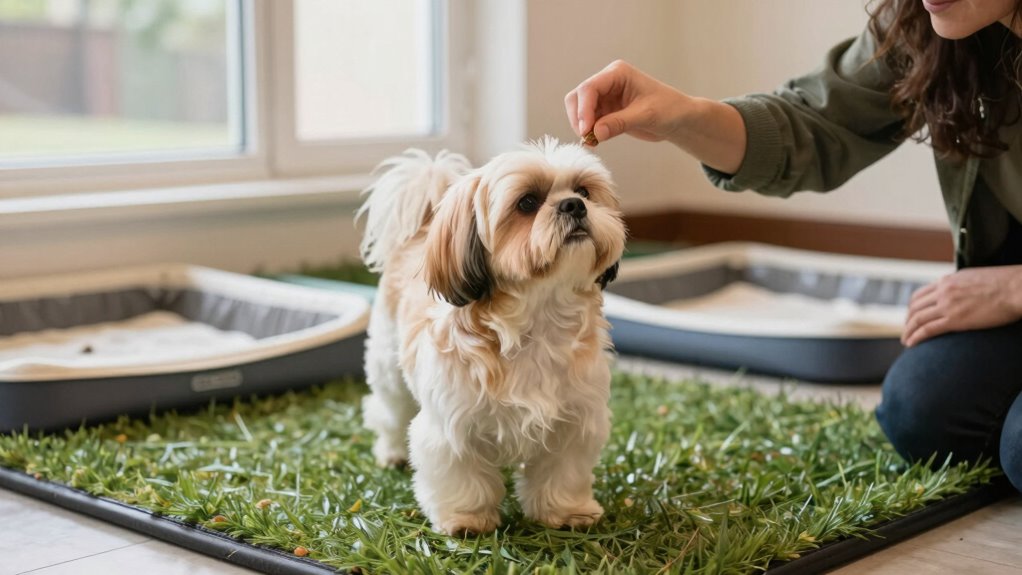
When done right, potty training strengthens the bond between us and our Shih Tzu, turning routine into a shared language of trust and encouragement.
We rely on gentle training techniques because they work—our dogs learn best through positive reinforcement, not fear. Punishment causes fear and anxiety, making learning harder and damaging our connection.
Instead, we celebrate small successes with immediate, enthusiastic praise and tasty treats. This builds confidence and reinforces desired behaviors. A calm and patient approach helps our Shih Tzus stay relaxed, focused, and ready to learn.
Every time they go in the right spot, we respond with lots of praise—using high-pitched, happy voices and gentle pats. These consistent reactions help them link potty breaks with good feelings. Just as positive reinforcement strengthens learning in all aspects of dog training, celebrating these moments creates lasting behavioral change.
We stay patient, even when mistakes happen, because stress slows progress. By choosing kindness over correction, we grow a trusting relationship rooted in safety and mutual respect.
This isn’t just training—it’s teaching our dog we’re on their team.
Frequently Asked Questions
How to Potty Train a Stubborn Shih Tzu?
We understand how hard it is—potty training a stubborn Shih Tzu takes patience. We rely on positive reinforcement techniques, consistency in training, and an ideal potty schedule. We use pee pads wisely, study understanding dog behavior, address anxiety issues gently, and always support each other through setbacks.
Why Are Shih Tzu so Hard to Potty Train?
Why do we struggle so much with this? Our Shih Tzu’s behavior reflects breed characteristics like stubbornness and small bladders, creating real training challenges—yet with owner patience, consistency importance, and loving reward systems, we turn hurdles into breakthroughs together.
How to Train a Shih Tzu Not to Pee in the House?
We help you stop your Shih Tzu from peeing in the house by using scheduled breaks and consistent commands. We rely on positive reinforcement, crate training, and removing scent markers. We skip pee pads to avoid confusion and build trust through patience and closeness.
What Is the 3 Day Potty Training Trick?
we call it the Three Day Method—stick to a consistent routine, use positive reinforcement, crate training, and a reward system. we’ve seen potty training success because we act together, stay close, and celebrate every win. you’ve got this.
Conclusion
We’ve walked this path before, and so can you. Consistency is your compass, patience your foundation. Every 1–2 hours, like clockwork, we step outside. We watch for sniffing, circling—tiny flags waved in quiet moments. “Let’s go potty” becomes our mantra, treats the spark of success. No yelling, no shame—just calm repetition, trust growing root by root. This isn’t magic. It’s method. And it works.