
We’ve heard that one-size-fits-all dog food works for every breed, but that’s simply not true—especially for Cavaliers. These small, energetic dogs need precise nutrition: high-quality animal protein as the first ingredient, no corn or soy fillers, and balanced fats for heart and brain health. With portion sizes around ½ to 1 cup daily, split into two meals, even slight imbalances can affect their weight and longevity. What you feed your Cavalier directly shapes their energy, coat shine, and joint health—so getting it right matters. Your next choice could change their well-being for the better.
Key Takeaways
- Prioritize high-quality animal protein as the first ingredient to support muscle health and overall wellness.
- Avoid fillers like corn, wheat, and soy, which offer little nutritional value and may contribute to weight gain.
- Choose foods meeting AAFCO standards to ensure complete and balanced nutrition for your Cavalier’s life stage.
- Opt for diets rich in omega-3 and omega-6 fatty acids to support heart function, skin health, and cognitive development.
- Practice portion control and feed 2–3% of your dog’s ideal body weight daily, adjusting for age, activity, and health status.
Understanding the Unique Nutritional Needs of Cavalier King Charles Spaniels
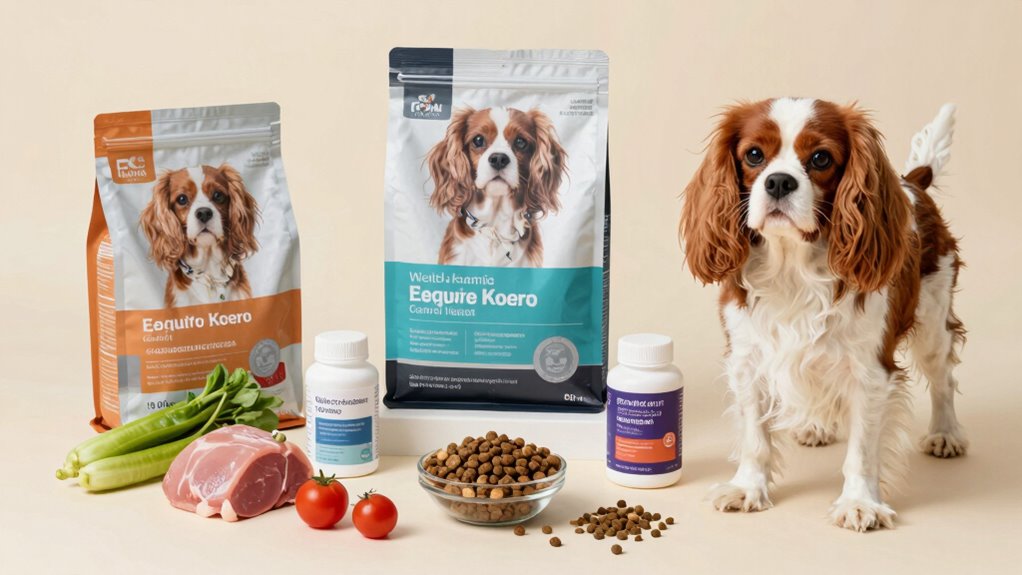
We’ve found that every Cavalier King Charles Spaniel thrives best when their diet mirrors their biological needs as facultative carnivores—meaning they rely heavily on animal-based nutrition for ideal health.
These dogs do best on a balanced diet with high animal protein—around 75% meat, organs, and bones, plus 25% vegetables and fruit—for essential nutrients. Fresh unprocessed ingredients support their sensitive digestion and energy needs, reducing reliance on commercial dry dog food, which often contains excess carbs.
We’ve noticed that keeping Cavaliers at a healthy weight prevents joint stress and supports heart health—critical, since they’ve specific health needs tied to cardiac wellness. We follow feeding guidelines closely, adjusting portions based on age, activity, and body condition.
We consult vets regularly to refine meals, ensuring nutrient density matches life stage demands. We avoid filler-heavy kibble, choosing instead real meat as the first ingredient. We prioritize omega-3s, taurine, and antioxidants for coat health, heart function, and overall wellness.
We measure everything—we know 1/2 to 1 cup daily, split into two meals, works for most adults. We’re consistent, because our Cavalier King Charles Spaniels depend on us for long, vibrant lives.
Evaluating Ingredients: What to Look for in High-Quality Dog Food
Now that we comprehend what fuels our Cavalier King Charles Spaniels at a biological level, it’s time to apply that knowledge when reading dog food labels. We want every bite to count—supporting their energy, coat, and overall health with real, nutritious ingredients. Let’s focus on what truly matters:
- Prioritize high-quality animal protein like chicken, beef, or fish as the first ingredient for a muscle-supporting diet.
- Avoid fillers such as corn, wheat, and soy—they add bulk but lack nutritional value and may trigger allergies.
- Choose formulas that meet AAFCO standards, guaranteeing balanced nutrition tailored to your dog’s life stage.
- Look for healthy fats, especially omega-3 and omega-6 fatty acids, which boost brain function and keep skin and coat vibrant.
- Seek whole food ingredients like fruits and vegetables—they deliver antioxidants, vitamins, and minerals essential for long-term well-being.
- Avoid artificial preservatives and colors, as artificial additives contribute nothing to your dog’s nutrition and may compromise their health.
We’re not just picking kibble—we’re building a foundation of health. By choosing wisely, we guarantee our Cavaliers thrive, not just survive, with meals that nourish from the inside out.
The Role of Diet in Managing Common Cavalier Health Issues

Because we recognize Cavaliers face specific health challenges, choosing the right diet isn’t just about nutrition—it’s preventive care.
We realize obesity worsens common health issues like heart disease and joint problems, so feeding a Cavalier King Charles Adult diet with balanced nutrition is essential. We keep carbs low—Cavaliers thrive on low carbohydrates, not grain-heavy fillers. Instead, we focus on real-food diets rich in high-quality proteins and omega-rich fats, which support skin health and reduce inflammation.
We include nutrient-dense offal like liver and kidney—they act as a natural multivitamin, boosting immunity and liveliness. Monitoring body weight monthly helps us catch subtle changes early, allowing timely diet adjustments. Maintaining an ideal weight eases stress on joints and improves mobility.
We prioritize foods without artificial additives, choosing whole ingredients that align with their carnivorous biology. Air-dried raw meats retain essential nutrients while reducing fillers that can contribute to digestive issues and weight gain. With consistent monitoring body weight and a diet rooted in balanced nutrition, we’re not just feeding—we’re protecting.
This is how we support longer, healthier lives.
Raw vs. Kibble: Comparing Feeding Options for Optimal Health
When it comes to fueling our Cavalier King Charles Spaniels for long-term health, the choice between raw and kibble isn’t just personal preference—it’s a decision that directly impacts their energy, weight, and vigor.
Raw food offers high-quality proteins and essential fats, aligning closely with their natural nutritional needs and supporting better digestion. In contrast, kibble often contains 45–65% carbohydrates, increasing the risk of obesity in our small-breed companions.
Maintaining a healthy weight is vital, and raw feeding—typically 2–3% of a dog’s ideal body weight daily—can be more aligned with their metabolism. But kibble isn’t off the table; when chosen wisely, it can meet feeding guidelines if the quality of ingredients is prioritized.
We must look for high-quality proteins as the first ingredient and skip fillers or by-products. Quality kibble formulas designed for small breeds should include named healthy fats, such as chicken fat, to support nutrient absorption and energy levels.
- Raw diets boost coat health and digestion
- Kibble convenience comes with carb trade-offs
- Obesity risk rises with low-quality kibble
- Both options must meet your Cavalier’s nutritional needs
- Always monitor digestion during raw changes
Portion Control and Feeding Schedules for Ideal Weight Management
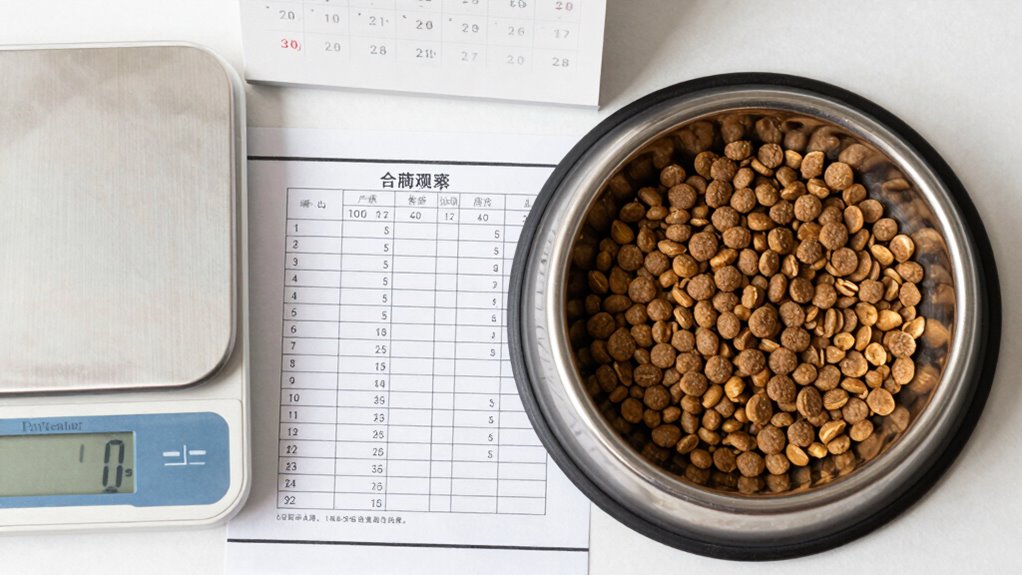
Consistency is your ally in maintaining a healthy weight for your Cavalier King Charles Spaniel. We stick to a regular feeding schedule, serving meals at the same times daily—usually twice a day—to support digestion and prevent overeating.
Portion control is non-negotiable: we measure our dog’s daily food intake with a kitchen scale or measuring cup, never guessing. We adjust portions based on energy needs, using the general guideline of 2–3% of ideal body weight for adults on raw diets.
We monitor weight monthly and assess Body Condition by feeling ribs and checking waistline from above and the side. If we see changes, we tweak the daily food amount.
Every dog is different, so personalized feeding matters. Factors like age, activity level, and health play a role. High-quality foods containing 22%-28% protein and 12%-18% fat support optimal metabolism and help maintain ideal weight more effectively than generic options. We don’t rely solely on bag labels—we consult our veterinarian to refine our approach.
While we manage portion control at home, we always consult veterinarian guidance before making big changes. This routine keeps our Cavalier at an ideal weight, energetic, and thriving.
Consulting Your Veterinarian for a Personalized Nutrition Plan
We’ve got portion control and feeding times down, but our dog’s needs don’t stop there—this is where our veterinarian steps in to fine-tune the plan.
Every Cavalier King Charles Spaniel has unique health needs, and our vet helps craft a personalized nutrition plan that supports long-term wellness. We trust them to guide us on proper portion sizes, high-quality ingredients, and foods meeting AAFCO standards for balanced nutrition.
Since Cavaliers are prone to heart health issues, our veterinarian may recommend specific nutrients or supplements to protect their heart. Regular check-ups lets us adjust the plan as our dog ages or if new concerns arise.
- Work with your veterinarian to build a tailored personalized nutrition plan
- Choose foods with high-quality ingredients that meet AAFCO standards
- Adjust portion sizes based on age, weight, and activity level
- Prioritize balanced nutrition to support overall health needs
- Schedule regular check-ups to monitor heart health and dietary effectiveness
Frequently Asked Questions
What Is the Best Food for My Cavalier King Charles Spaniel?
We believe the best food for your Cavalier King Charles Spaniel combines high ingredient quality, breed specific formulas, and proper portion control. We favor grain free options, prioritize Cavalier nutrition, and balance dog food types—whether homemade meals, puppy versus adult, or fortified with nutritional supplements—following feeding guidelines we trust.
How Many Times a Day Should You Feed a Cavalier King Charles?
we feed our cavaliers twice daily—because who has time for a five-star drama? our feeding schedule blends portion control, meal consistency, and the right feeding bowls. puppy feeding ramps up energy, adult feeding prevents weight gain, senior feeding supports digestive health—voilà: feeding habits mastered.
What Foods Are Cavaliers Allergic To?
We watch for Cavalier allergies because common allergens like chicken, beef, dairy, and grains can trigger food sensitivities. We avoid artificial additives and check ingredient labels carefully—opting for hypoallergenic diets helps manage grain intolerance, chicken allergy, beef allergy, and dairy sensitivity together.
What Is the #1 Recommended Dog Food?
An ounce of prevention saves a pound of cure—we swear by Royal Canin as the #1 premium dog food. It’s packed with natural ingredients, supports weight management, and follows strict feeding guidelines for puppy nutrition, senior dog diet, and sensitive stomachs, all while blending grain free options, dietary supplements, and the ease of homemade recipes.
Conclusion
We are the stewards of a flame, not just owners of a dog. For every bowl we fill, we shape their health: 75% premium animal protein, 25% vibrant produce. We avoid corn, soy, fillers—foreign embers in their fire. AAFCO-approved fuel keeps the spark strong. Like a compass, routine vet visits guide us true. We measure portions, honor activity levels, and choose kibble or raw with purpose. Together, we tend this light—bright, steady, alive.