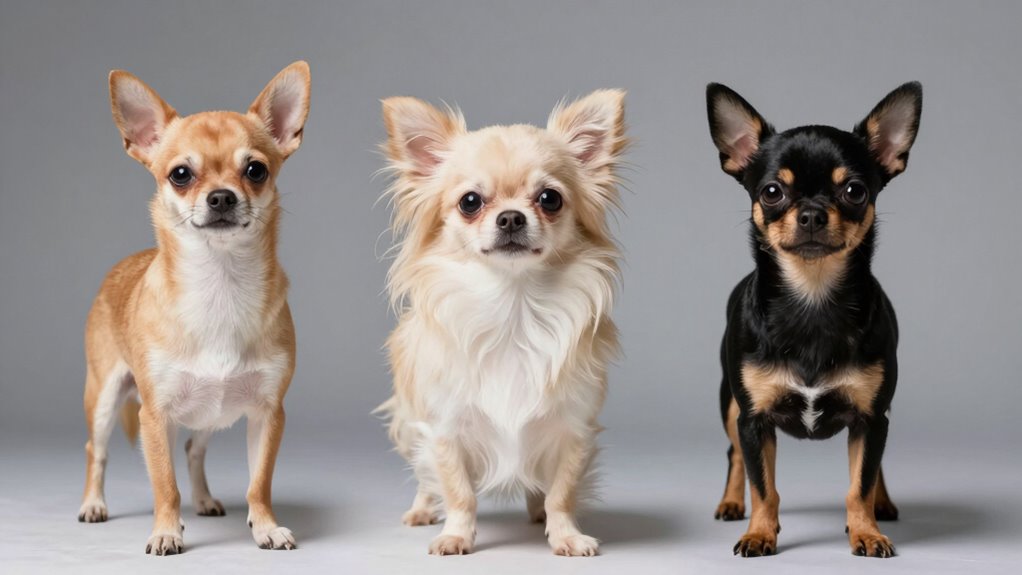
Not all Chihuahuas are the same size, shape, or coat type—some weigh as little as 2 pounds, while others reach up to 6. We see differences in skull structure, fur length, color patterns, and even genetic variations. Apple head, deer head, smooth coat, long coat—each type has distinct traits backed by breeding standards or natural variation. And a few types come with serious health concerns. You’ll want to know which traits are official, which are rare, and which might affect a pet’s well-being.
Key Takeaways
- Chihuahuas are officially recognized in two coat types: short-haired (smooth) and long-haired (rough) by the AKC.
- Apple Head, Deer Head, and Pear Head refer to distinct head shapes, with only the Apple Head meeting breed standards.
- Teacup Chihuahuas are not an official type but describe extremely small, often unhealthy individuals.
- Merle and Hairless Chihuahuas are rare variants, with merle patterns and lack of coat falling outside AKC recognition.
- Popular mixed breeds like Chiweenies and Chorkies combine Chihuahua traits with other small breeds.
Official Coat Types Recognized by the AKC
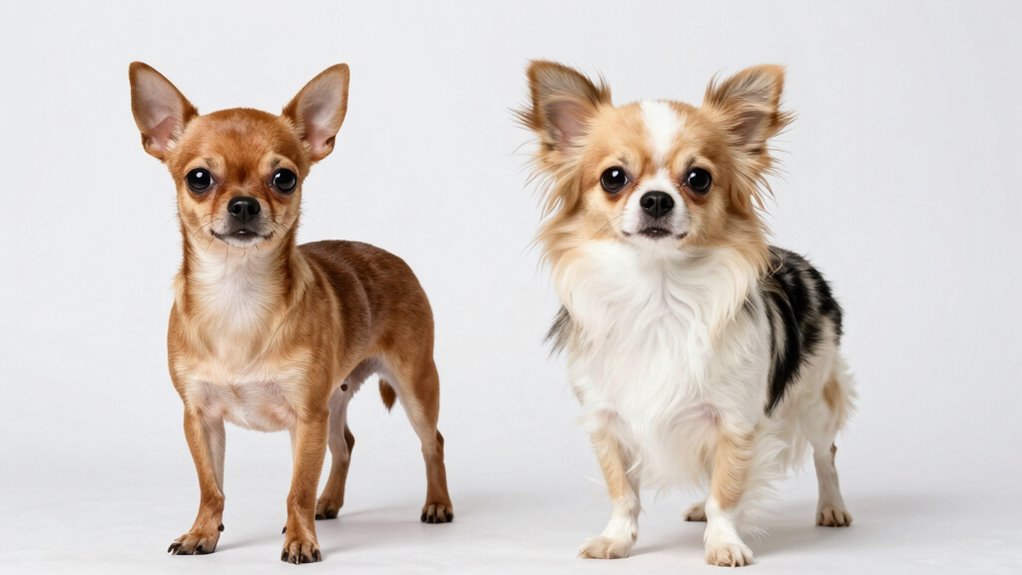
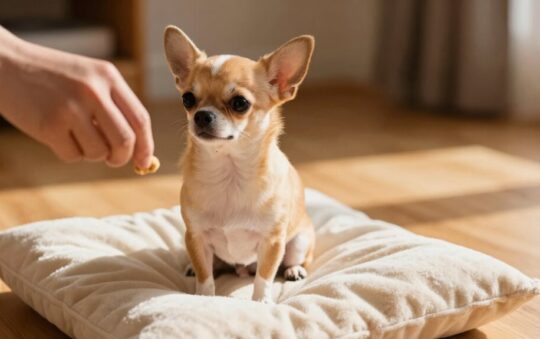
There are just two official coat types recognized by the AKC for Chihuahuas: the Short-Haired, also known as the Smooth Coat, and the Long-Haired, or Rough Coat. These are the only variations considered part of the official breed standard by the American Kennel Club.
As devoted companions, both types thrive on closeness, yet their care requirements differ. The Short-Haired Chihuahua has a sleek, glossy coat that lies close to the body—minimal grooming needs, just a quick wipe or brush weekly. But don’t be fooled: this type sheds noticeably, especially in seasonal shifts.
The Long-Haired Chihuahua, in contrast, boasts a soft, luxurious mane and feathering on ears, tail, and legs. Their coat types demand more attention: brushing every other day prevents tangles. Shedding tendencies are moderate, though loose hairs get caught in longer fur. Using proper grooming tools designed for their coat type can significantly reduce shedding and maintain coat health.
We see how coat length shapes not just looks but daily routine. Whether you choose the low-maintenance Short-Haired Chihuahua or the elegant Long-Haired Chihuahua, both are recognized by the AKC and equally full of heart.
Apple Head Chihuahua: The Classic Look
Meet the Apple Head Chihuahua—compact, confident, and instantly recognizable by its rounded skull that mirrors the shape of an apple. We see this apple head Chihuahua again and again at dog shows and in homes, beloved for its distinct rounded head shape and sweet expression.
Its prominent eyes sparkle with intelligence and curiosity, often framed by soft fur in various colors like black, fawn, cream, chocolate, or silver. Weighing just 4 to 6 pounds and standing 5 to 8 inches tall, it’s small yet sturdy, built to be a loyal companion.
But we must be honest: their shorter muzzles can lead to breathing issues, especially in hot weather or during overexcitement. With a lifespan of 14 to 16 years, they’re long-term family members. When traveling with your Apple Head Chihuahua, investing in a specialized carrier with proper support will help minimize stress and keep your pup comfortable during car rides or trips.
That’s why we emphasize regular socialization—it shapes good behavior and helps them stay calm around strangers and pets. Early training builds trust and confidence.
Yes, they’re bold, even feisty, but consistent guidance guarantees they grow into well-mannered, affectionate companions we’re proud to share our lives with.
Deer Head Chihuahua: A Sleek and Sporty Variation
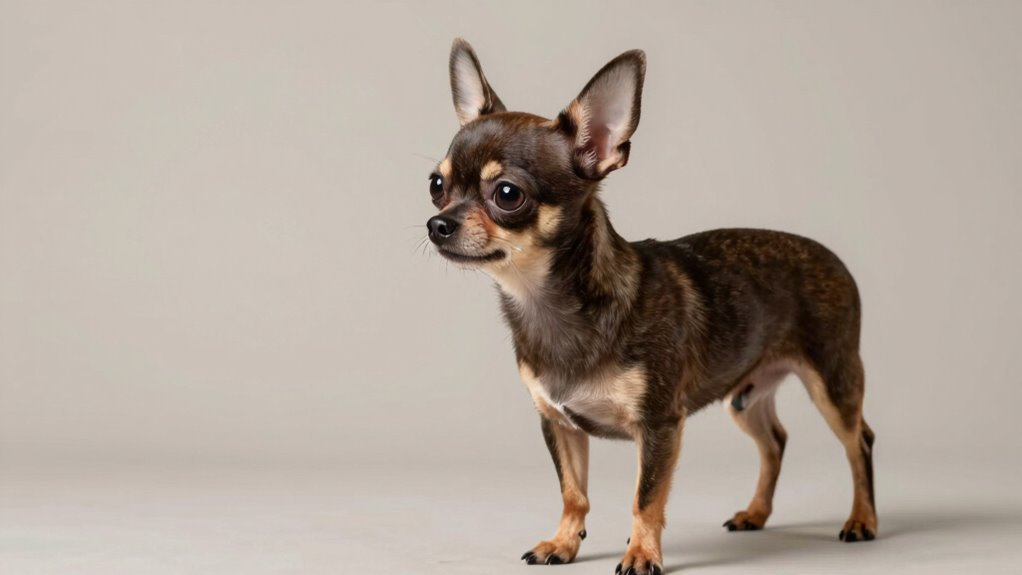
Some Chihuahuas carry themselves with a look that’s more streamlined, more agile—a build that hints at speed and grace. We observe this in the deer head Chihuahua, with its narrow head, longer snout, and longer legs. Unlike the apple-headed Chihuahua, it’s not recognized by official breed standards, but don’t let that fool you—its charm runs deep. With expressive black eyes and a body built for movement, this variation often weighs in at an average weight of 7–10 pounds and stands 8–12 inches tall. Their simpler genetic makeup may contribute to fewer inherited health concerns compared to more complex breed variations.
| Feature | Deer Head Chihuahua | Apple-Headed Chihuahua |
|---|---|---|
| Head Shape | Narrow, deer-like | Round, apple-shaped |
| Health Concerns | Fewer inherited issues | More prone to health issues |
| Coat Colors and Patterns | Wide range, often brown | All coat colors and patterns |
Thanks to its smaller size and energetic frame, it’s a loyal companion. Bred from Techichi and Chinese crested lines, it tends to have fewer health issues. We understand you want the best—this dog delivers resilience, sweetness, and quiet strength. Consider how limited-ingredient diets might also support optimal health for this breed, just as they do for dogs with dietary sensitivities.
Pear Head Chihuahua: A Rare and Unique Build
While less common than their apple- or deer-headed counterparts, Pear Head Chihuahuas stand out with a distinctive flatter skull and a broader, more pronounced nose. We see them as the least standard of Chihuahua types, often arising from crosses between apple and deer head varieties.
Their unique head shape falls outside the official breed standard, making them rarer in shows and breeding circles. Yet, don’t let that fool you—these pups share the same affectionate nature and loyal companions we love. You’ll find they’re just as playful and energetic, bonding closely with their people.
Unlike some dogs with structural extremes, pear-head Chihuahuas typically don’t face additional health problems. They weigh between 4–6 pounds, with alert eyes and upright ears framing their distinct profile. Like all small breeds, proper grooming tools and techniques can help maintain their coat health and overall appearance.
We consider them a hidden gem among Chihuahua types—less polished for the ring, but full of heart. If you’re drawn to the unusual, this rare build offers charm, spirit, and devotion. They’re not the most standard, but in our eyes, they’re no less Chihuahua.
Teacup Chihuahua: Tiny in Size, Big in Personality
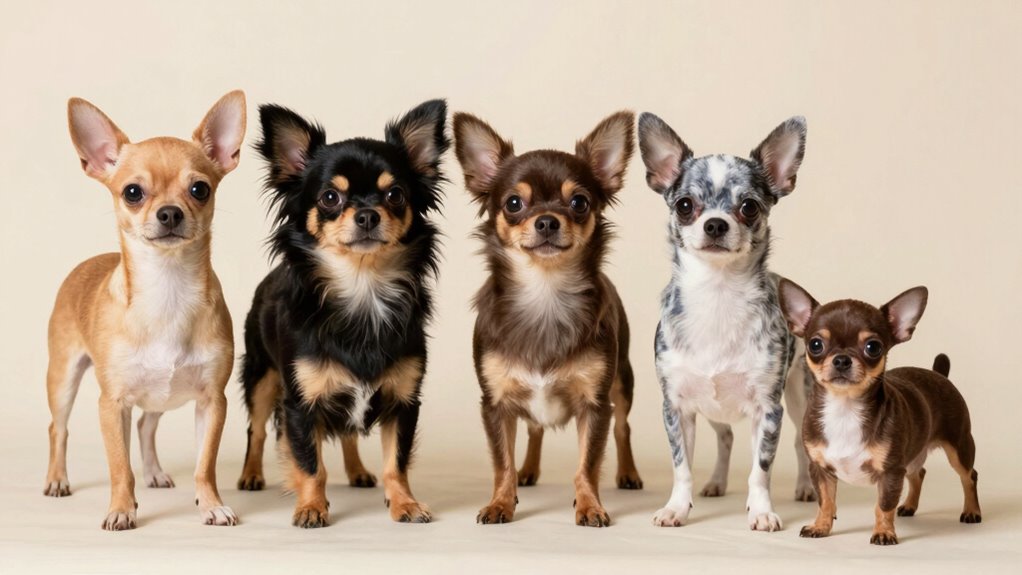
Though not recognized as an official breed classification, teacup Chihuahuas capture attention with their minuscule frames, weighing just 2.5 to 3 pounds and standing around 6 inches tall at the shoulder.
It’s often noted they’re labeled as the smallest dog breed, but their size comes with trade-offs. These tiny pups are prone to health problems like hypoglycemia, fragile bones, and dental issues—making them require special care. Feeding must be frequent, handling gentle, and vet visits regular. To support their digestion and prevent choking during meals, many teacup Chihuahua owners use slow feeders designed for small breeds.
Yet, their affectionate nature and playful personality make them beloved companions. It’s understood you want a loyal friend, and they deliver—in a pocket-sized package. Their lifespan ranges from 7 to 12 years, similar to standard Chihuahuas, but hinges on proper care.
Within the breed community, teacup Chihuahuas spark debate. Many breeders prioritize size over health, raising ethical concerns. We urge you to choose wisely. A teacup Chihuahua isn’t just cute, it’s a commitment—to vigilance, love, and responsibility. Let their big spirit guide your decision.
Fawn Chihuahua: A Popular Color Variant
We’ve talked about the tiny teacup Chihuahua and the care it demands, but now let’s shift to one of the most beloved looks in the breed—the fawn Chihuahua.
This isn’t a separate type, but a color variation marked by a warm tan coat, ranging from creamy light to rich deer-red. Chihuahuas come in many shades, but fawn stands out for its soft, glowing hue.
You’ll find it in both short hair Chihuahuas and long-haired breeds, all sharing the standard Chihuahua build and feisty charm. Chihuahuas are known for their bold eyes and apple-shaped heads, and the fawn coat only enhances their unique appearance.
The American Kennel Club’s breed standard accepts fawn as a valid color—no disqualifications here. This color often appears with a matching or slightly lighter undercoat, sometimes paired with white or cream markings.
Whether sleek or silky, a fawn Chihuahua turns heads. While their shade varies, their loyalty doesn’t. They’re just like any other Chihuahua—lively, alert, and deeply attached.
And that’s what truly defines them.
Merle Chihuahua: Distinctive Markings With Health Risks
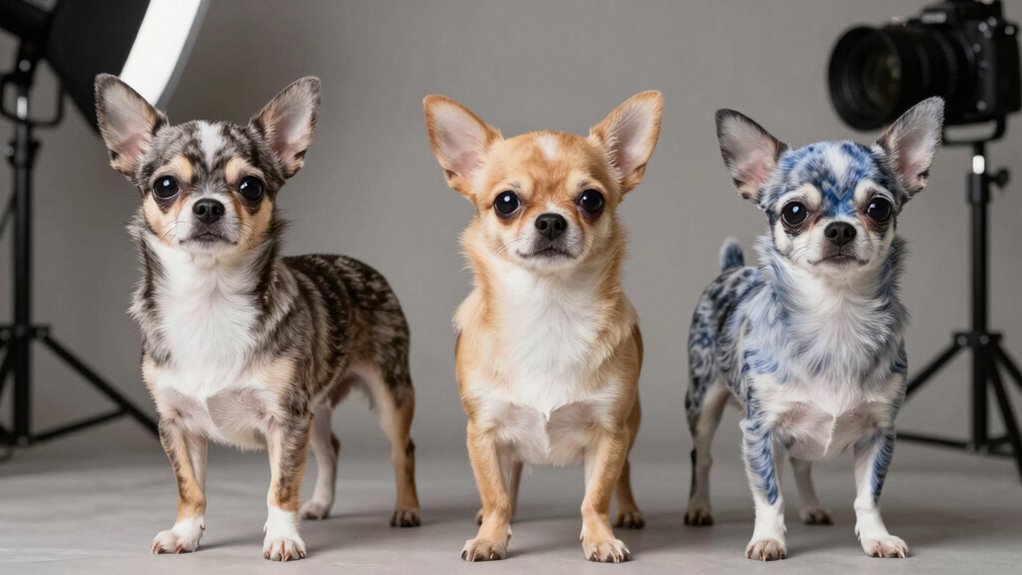
When we spot a Merle Chihuahua, the first thing that grabs our attention is the intricate coat pattern—a splashed, marbled effect of mottled grays, blacks, reds, or browns over a lighter base.
Their unique markings often extend to their nose and paw pads, and some even have mismatched or partially blue eyes, making each one truly special.
But behind that beauty lie real concerns we need to talk about.
Merle is a color variation, not a breed type, and it’s not recognized by the American Kennel Club.
More importantly, breeding two merle Chihuahuas raises serious breeding risks. Here’s what we must consider:
- Double-merle breeding greatly increases the chance of deafness and eye problems.
- Up to 25% of double-merle puppies may face serious health complications.
- These health issues stem directly from the gene responsible for the stunning coat pattern.
- Responsible breeders avoid merle-to-merle pairings to protect puppy wellness.
We love unique markings, but never at the cost of a dog’s health.
Choosing wisely means protecting the joy these little companions bring.
Hairless Chihuahua: A Rare and Unusual Type
What if we told you some Chihuahuas come without a coat? Meet the hairless Chihuahua—a unique variation that turns heads and sparks curiosity. Standing 15 to 25 cm tall and weighing just 2 to 4 kg, this breed remains compact and agile, built like its furry cousins.
You’ll still find it affectionate and energetic, enthusiastic to cuddle and play with its human family.
But without fur, their needs shift. Skin care is essential—sunscreen and light clothing protect against sunburn and temperature fluctuations. Many fur babies thrive when dressed for the weather.
Rare and striking, the hairless Chihuahua’s desirability among dog enthusiasts is real. Their glossy, smooth skin and bold expressions make them stand out in a crowd.
Still, their value isn’t just in looks. They bond deeply, offering loyalty and charm.
We’ve seen them adapt well in loving homes—just with a little extra vigilance. If you’re ready for a companion that’s both unusual and devoted, this little marvel might be calling your name.
Popular Chihuahua Mix Breeds and Hybrids
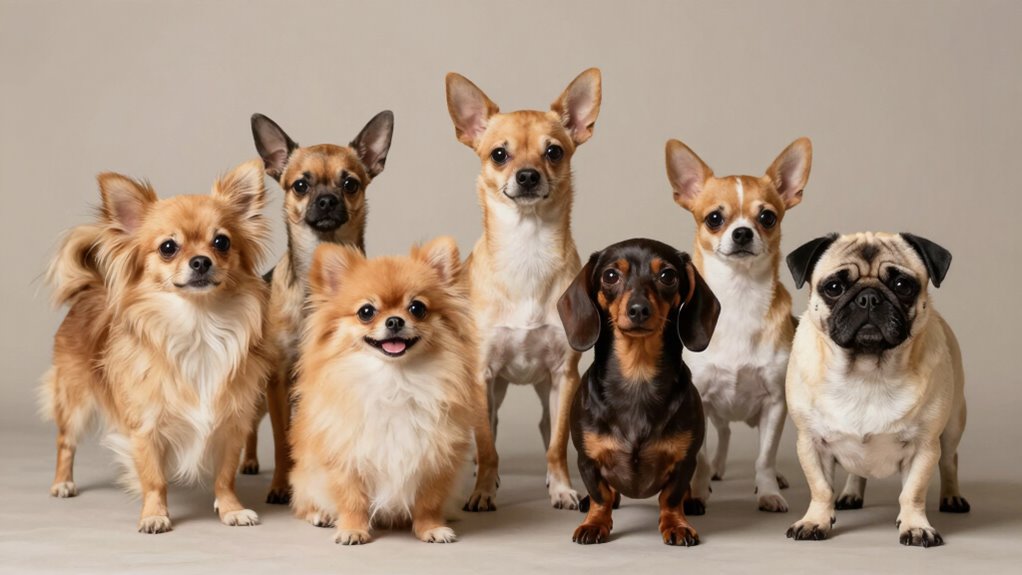
A growing number of dog lovers are discovering the charm and versatility of Chihuahua mix breeds, drawn to their compact size, bold personalities, and unique blend of traits.
These hybrids combine the spirited Chihuahua with other small breeds, creating affectionate companions with varied but predictable characteristics.
We’ve found that their temperaments often strike a perfect balance—loyal, alert, and full of joy.
Here are four popular Chihuahua mix breeds you should know:
- Chihuahua Terrier – A feisty, energetic hybrid known for athleticism and alertness, ideal for active homes.
- Chiweenie (Chihuahua + Dachshund) – Weighing 5–10 pounds, this affectionate, curious mix comes in a wide range of colors and patterns.
- Chilier (Chihuahua + Cavalier King Charles Spaniel) – At 6–12 pounds, it has droopy ears, big eyes, and a gentle, loving nature.
- Chorkie (Chihuahua + Yorkshire Terrier) – Tipping the scales at 8–10 pounds, this tiny dynamo is energetic, playful, and impossible to ignore.
Each mix breed offers unique appearances and temperaments, blending the best of both parent breeds into one unforgettable companion.
Frequently Asked Questions
How Many Varieties of Chihuahuas Are There?
We see seven main varieties: smooth coat, long coat, apple head, deer head, teacup chihuahua, miniature chihuahua, and standard chihuahua—each a beloved companion breed. Some are show quality, but all steal hearts with their bold, loving spirit.
What Is the Rarest Type of Chihuahua?
We’ve found the rarest chihuahua colors and patterns often come with unique chihuahua traits, like the pear head’s gentle eyes—unseen in chihuahua show standards—born from chihuahua breed history, yet shadowed by chihuahua health issues we protect our hearts from.
How Do I Know What Type of Chihuahua I Have?
we check your chihuahua’s coat colors, size differences, and grooming needs to identify their type; we also consider health issues, personality traits, and how age factors affect them, guiding training tips, socialization needs, and breed standards together.
Which Chihuahua Type Is the Calmest?
We’ve found the Deer Head Chihuahua is the calmest—its serene personality traits and gentle breed characteristics shine. We nurture its calm temperament with consistent training techniques, mindful socialization tips, and attentive health considerations, balancing exercise needs and enhancing family compatibility beautifully.
Conclusion
We’ve walked you through the true diversity of Chihuahuas—from AKC-recognized coat types to head shapes, sizes, and rare variants. Short or long coat, apple-domed skull, deer-like elegance, or teacup tininess (under 3 pounds), each type brings distinct traits. Merle patterns and hairless forms add intrigue, though health matters. Crossbreeds expand choices. In this tiny package, we find a universe of variety—like holding a galaxy in the palm of your hand. Know your type. Choose wisely.