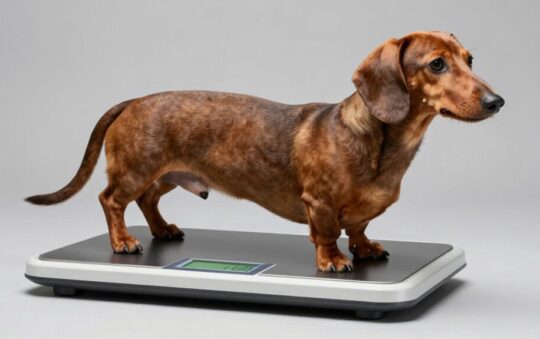
We’re guessing you’ve seen their long bodies and perky ears and wondered just how big miniature dachshunds actually get. Most weigh 11 pounds or less, stand 5 to 7 inches tall at the shoulder, and reach full size by 12 to 18 months. That compact frame makes them easy to carry, cuddle, and fit into cozy spaces. But size isn’t just about cuteness—it’s tied to health, especially their spine. We’ll break down what shapes their growth, from genetics to daily habits, so you can keep your pup strong and steady.
Key Takeaways
- Miniature Dachshunds typically weigh 11 pounds or less when fully grown.
- They stand 5 to 7 inches tall at the shoulders.
- Most reach close to their adult size by 6 to 12 months of age.
- By 16 weeks, puppies usually weigh around 8 pounds, indicating final size.
- Genetics, diet, and health monitoring play key roles in reaching ideal weight and height.
Typical Height and Weight of Miniature Dachshunds
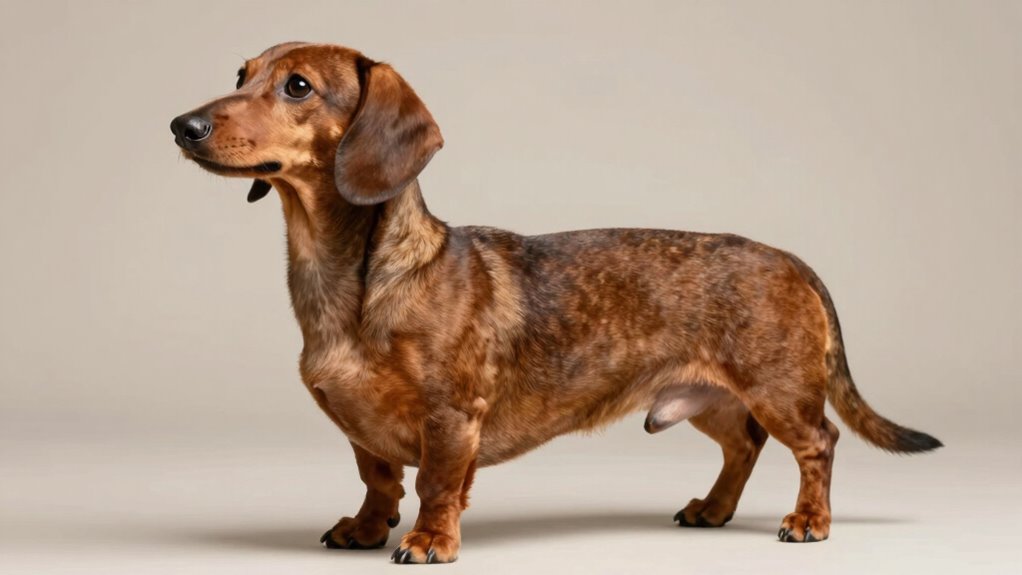
When it comes to miniature Dachshunds, size matters—and we possess the numbers to prove it. As Miniature Dachshund owners and caretakers, we understand you want precise, reliable details.
Most adult Miniature Dachshunds weigh 11 pounds or less, with a height of 5 to 7 inches tall at the shoulders. That compact frame is one of the breed’s charms. Weighing in light means they’re easy to carry, cuddle, and crate—and speaking of crates, always size them for your pup’s adult weight and height.
Even at 16 weeks, many Miniature Dachshunds already weigh around 8 pounds, so they’re not staying tiny forever. Genetics play a big role: some pups may slightly exceed the typical weight, though they still fall within the Miniature class. Don’t be surprised if your pup lands at 12 pounds—she’s still likely a true Miniature.
When we talk about weight, we’re talking healthy weight; keeping them lean protects their long backs. At 5 to 7 inches tall, they’re low to the ground, built for burrowing into laps, not leaping fences. Understanding the numbers helps us care for them better. Regular grooming with gentle bristles and appropriate brushes will help you monitor your Miniature Dachshund’s coat and skin health as they grow.
Growth Stages From Puppy to Adult
Though they start out tiny enough to fit in the crook of your arm, we watch our Miniature Dachshunds grow quickly through predictable stages—each one a checkpoint for their long-term health.
A Dachshund puppy typically weighs around 8 pounds by 16 weeks, a solid indicator of healthy development. Most reach full size between 12 to 18 months, though their average lifespan of 12–16 years means responsible growth now supports wellness for decades.
We track progress not just by weight—ideally 11 pounds or less—but by body condition score, which vets use to assess fitness more accurately than scales alone. Genetics, diet, and activity shape each dog uniquely, so we stay alert to changes. Proper chewing engagement through durable chew toys during growth stages can also support dental health and reduce stress-related behavioral issues.
We focus on these key growth milestones:
- 0–16 weeks: Rapid development; monitor weight and energy.
- 4–6 months: Growth slows; bones and muscles strengthen.
- 6–12 months: Approaching adult size; adjust food to avoid excess weight.
- 12–18 months: Full physical maturity; maintain lean, healthy habits.
How Genetics Influence Size
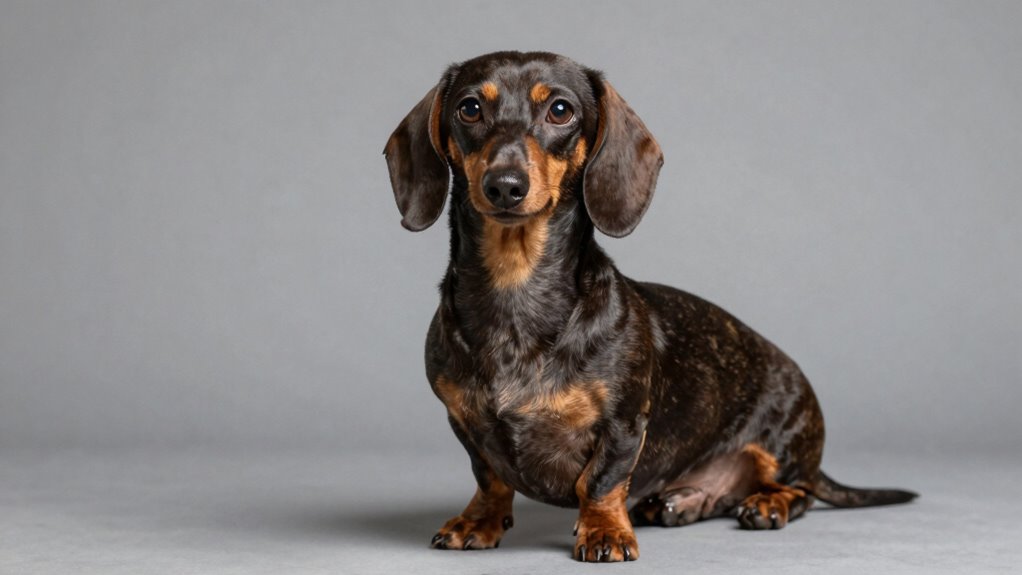
Our Miniature Dachshunds don’t grow randomly—each one follows a blueprint written in their genes. Genetics shape their size from day one, setting limits and expectations based on inherited traits.
Most Miniature Dachshunds weigh 11 pounds or less and stand 5 to 7 inches tall at the shoulders—standards rooted in their genetic design. Yet, some may tip the scale beyond 11 pounds due to hereditary influences from their parents.
At 16 weeks, they typically weigh around 8 pounds, a milestone that hints at their adult size. We can’t change their genetics, but we can predict outcomes by studying lineage. If both parents are compact and within standard weight, odds are high the pups will be too.
Variability happens—some inherit slightly larger frames, others stay petite. Knowing their genetic background helps us anticipate needs, like choosing the right crate size. Proper nutrition during growth stages is essential, as calcium and phosphorus balance supports healthy bone development in these small-framed dogs. It’s not just about looks; it’s about health and comfort.
We trust genetics to guide us, giving our Miniature Dachshunds the life they’re meant to live—small, sturdy, and full of heart.
Differences Between Miniature and Standard Dachshunds
While both Miniature and Standard Dachshunds share the same bold spirit and elongated frame, their size differences are unmistakable and meaningful. The difference between Miniature and Standard Dachshunds goes beyond just weight—it shapes how we live with them, care for them, and connect.
- Size: Miniature Dachshunds weigh 11 pounds or less and stand 5–6 inches tall; Standard Dachshunds reach 16–32 pounds and 8–9 inches.
- Role: Though both were bred to hunt, Miniature Dachshunds now thrive as companions, while Standard Dachshunds often still work in the field.
- Lifespan: Miniature Dachshunds live 13–16 years on average, outliving Standard Dachshunds, who typically live 12–14 years.
- Presence: Genetics, diet, and activity influence each dog’s build, but the difference between Miniature and Standard remains clear in structure and scale. Their smaller size means Miniature Dachshunds require regular grooming maintenance to prevent coat matting and keep their distinctive appearance healthy.
We see these differences every day—not just in measurements, but in the way our Miniature Dachshunds curl in our laps and how Standards stride with more ground coverage.
Knowing this helps us love them better.
Healthy Weight Range for Mini Dachshunds
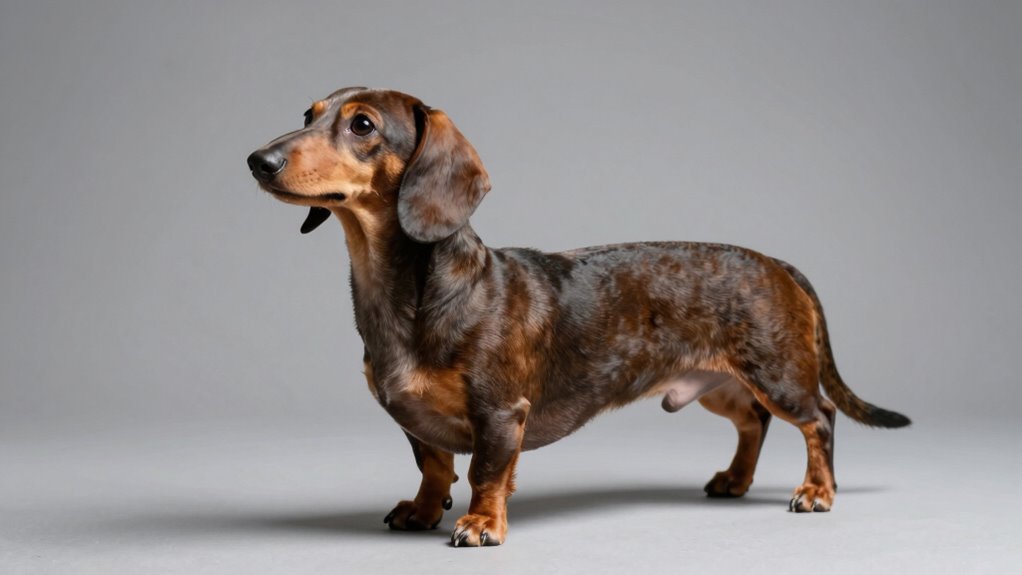
A healthy adult Miniature Dachshund typically weighs 11 pounds or less, with most settling around 8 pounds by 16 weeks of age. It’s clear how much your little one means to you—that’s why helping them maintain a healthy weight is one of the best things you can do for their long-term well-being. Obesity in Miniature Dachshunds can lead to diabetes, joint stress, and spinal issues, so staying on track matters. A quality diet with high-quality meat as the first ingredient supports healthy weight management and overall vitality.
| Age | Ideal Weight (lbs) | BCS Tip |
|---|---|---|
| 16 weeks | ~8 | Ribs easily felt, not seen |
| 1 year | ≤11 | Waist visible from above |
| Adult | 9–11 | Abdominal tuck noticeable |
Use the Body Condition Score (BCS) weekly at home. And remember, regular veterinary check-ups catch small shifts before they become big problems. We always recommend combining hands-on monitoring with professional guidance—we’ve seen how this simple routine keeps our dachshunds lively, lean, and loving well into their teens.
Factors Affecting Weight: Diet and Exercise
Keeping your Miniature Dachshund at a healthy weight isn’t just about the scale—it’s about the daily choices you make.
It’s understood that diet and exercise play central roles in keeping our little companions strong and happy. Poor habits don’t just lead to extra pounds—they can trigger serious health issues like joint stress, diabetes, and back problems.
But with consistent care, these risks can be prevented together.
Here’s what truly matters:
- High-quality dog food in measured portions keeps metabolism steady and supports healthy growth.
- Daily portion checks prevent overfeeding—even small treats add up fast.
- Regular exercise, like 20–30 minutes of walking or play each day, maintains muscle tone and burns excess energy.
- Routine vet visits help us catch weight shifts early and adjust diet and exercise as needed.
We’re not just managing weight—we’re building a longer, brighter life for our pups.
Every small choice adds up to real protection against preventable health issues.
Monitoring Your Dachshund’s Body Condition
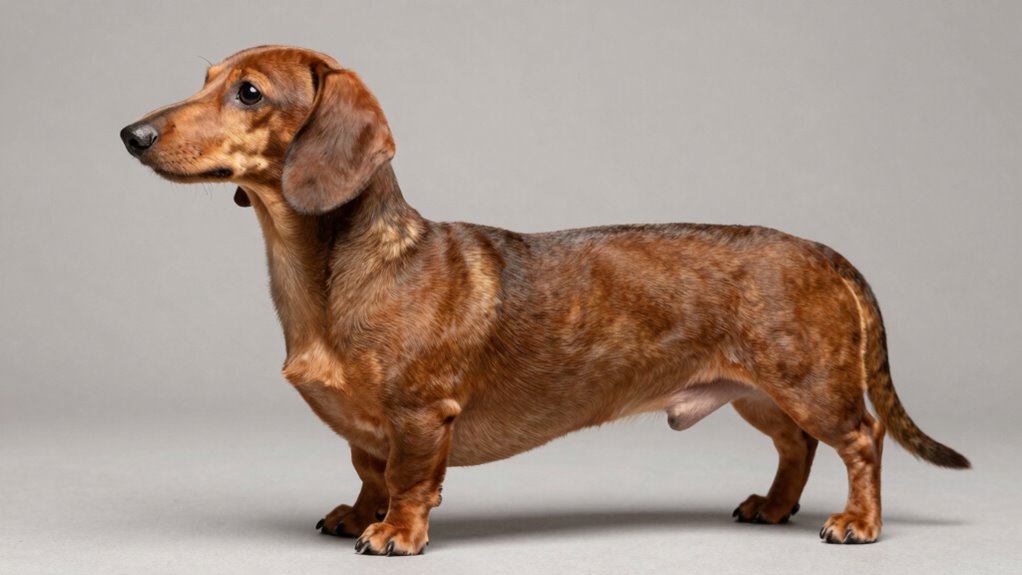
Since we’re committed to our Miniature Dachshund’s long-term health, monitoring their body condition becomes one of the most effective tools we have.
Keeping an eye on their weight—ideally 11 pounds or less as adults—helps us catch changes early. We use Body Condition Score (BCS) assessments to gauge if our Miniature Dachshunds are at an ideal weight, underweight, or overweight based on physical structure, not just the scale.
We check for a visible waist, feel for ribs without excess fat, and watch their profile for a tuck. Regular veterinary check-ups let us track growth patterns, especially during key stages like 16 weeks, when healthy pups average about 8 pounds.
These visits are essential—they offer professional insight and guarantee any red flags in body condition are addressed promptly. We don’t wait for obvious shifts. Instead, we stay proactive, using consistent evaluations and veterinarian guidance to support a long, active life.
Our bond means we notice subtle changes first—and act.
When to Be Concerned About Weight Gain or Loss
We watch our Miniature Dachshunds closely, not just for cuddles and quirks, but for real, measurable signs their health is on track. Regular weight monitoring helps us catch subtle changes early—because even a half-pound loss matters when your dog should weigh 11 pounds or less.
Unintentional weight loss in adults or stalled growth in puppies signals it’s time to call the vet. We stay proactive, using the Body Condition Score (BCS) to keep them at a healthy weight, where ribs are easily felt and a waist is visible. Overweight Dachshunds face real risks: diabetes, arthritis, shortened lifespans. Let’s protect their long, low-slung joy.
Here’s when to act:
- Sudden weight loss in adults, no matter how slight.
- A puppy not gaining weight by 16 weeks—average is 8 pounds.
- Ribs you can’t feel, or no waistline—signs of being overweight.
- Slipping outside the 11-pound standard without explanation.
We keep them healthy with love, eyes, and scales.
Choosing the Right Crate Based on Size and Growth
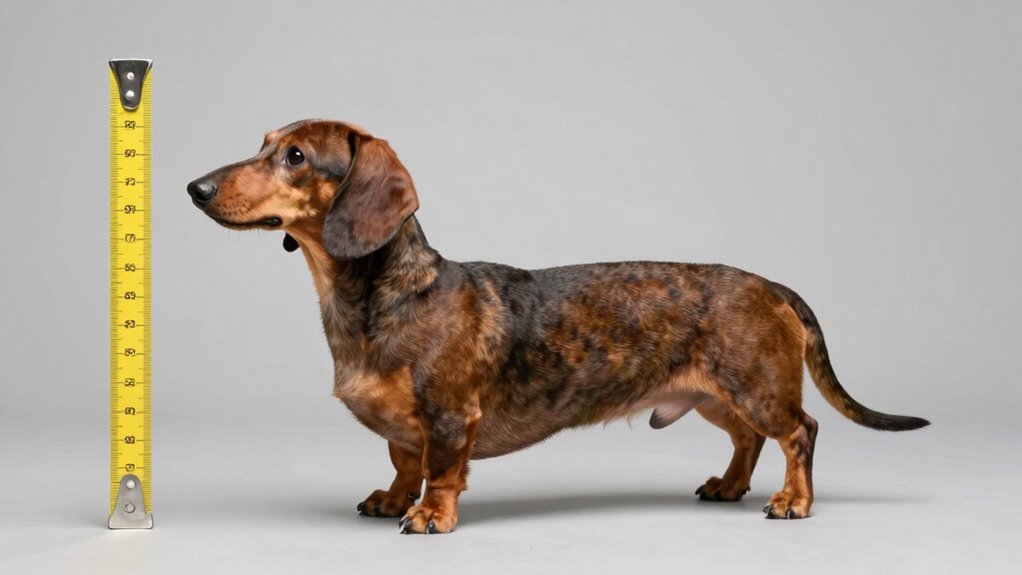
When picking a crate for your Miniature Dachshund, size isn’t just a suggestion—it’s a must. It’s clear how much your pup means to you, and getting the crate size right shows love through thoughtful care. Miniature Dachshunds grow quickly in their first months, with most reaching about 8 pounds by 16 weeks. By adulthood, they typically weigh 11 pounds or less and stand 5–7 inches tall. Choosing a crate that fits their adult size prevents discomfort and stress. We always recommend planning ahead for their full growth rate.
Here’s what their needs look like at each stage:
| Age | Weight | Crate Size (L×W×H) |
|---|---|---|
| 8 weeks | ~4 lbs | 24″ × 18″ × 19″ |
| 16 weeks | ~8 lbs | 24″ × 18″ × 19″ |
| 6 months | ~10 lbs | 30″ × 19″ × 21″ |
| Adult (1+ yrs) | 11 lbs max | 30″ × 19″ × 21″ |
We monitor our pups closely, adjusting crate size as needed. Comfort isn’t luxury—it’s necessity.
Frequently Asked Questions
How Big Is a Full Grown Miniature Dachshund?
We’re small, sweet companions—adults weigh under 11 pounds, with most reaching 5–7 inches tall. Our weight range stays light, growth stages finish fast, and size comparison shows we’re tinier than standard dachshunds, making us perfect cuddle-sized pals you can’t help but adore.
What Are the Cons of a Miniature Dachshund?
We understand they’re small, but their health concerns like IVDD, training challenges due to stubbornness, and temperament issues like excessive barking can test our patience. We’ve learned their delicate frames need extra care, and their big personalities don’t always match their tiny size.
Do Mini Dachshunds Make Good Pets?
We’re talking true lovebirds here—our mini dachshunds make amazing pets. You’ll adore their affectionate companionship and playful nature, even if their training challenges test your patience. With gentle guidance, they become devoted, loyal little souls who fit perfectly in our hearts and homes.
What’s the Difference Between a Miniature Dachshund and a Dachshund?
We see the main difference between a miniature dachshund and a dachshund in size variations—miniatures are smaller, under 11 pounds, while standards are larger. We notice this affects our care, energy, and how we fit into your life among dachshund breeds and breed characteristics.
Conclusion
We’ve walked you through how big miniature dachshunds get—typically 5 to 7 inches tall and under 11 pounds. By 16 weeks, most weigh around 8 pounds, reaching full size by 12 to 18 months. Remember, “good things come in small packages,” and healthy habits keep them strong. We monitor weight, diet, exercise, and body condition—because a lean dachshund is a long-lived one.