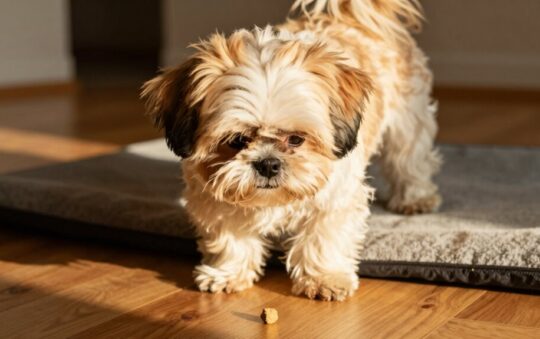
A Shih Tzu’s coat flows like a silken curtain, but don’t let that glamour fool you—hair will still show up on your couch. We see minimal shedding thanks to their double coat: a soft undercoat and a long, flowing topcoat. Most shed lightly year-round, with slight upticks in spring and fall. Brushing 2–3 times weekly cuts loose hair by up to 80%. Yet, something deeper than grooming habits may be shaping what you’re seeing.
Key Takeaways
- Shih Tzus have a double coat and shed minimally due to continuous hair growth, making them popular for low-shedding needs.
- They experience seasonal shedding in warmer months and a puppy-to-adult coat transition between 10 months and 1 year.
- Despite low shedding, Shih Tzus produce dander, the primary allergen, so no dog is truly hypoallergenic.
- Excessive shedding may signal health issues like skin conditions, hormonal imbalances, or poor nutrition.
- Regular grooming, a high-quality diet with omega-3s, and hydration help maintain coat health and minimize shedding.
Shih Tzu Coat Characteristics
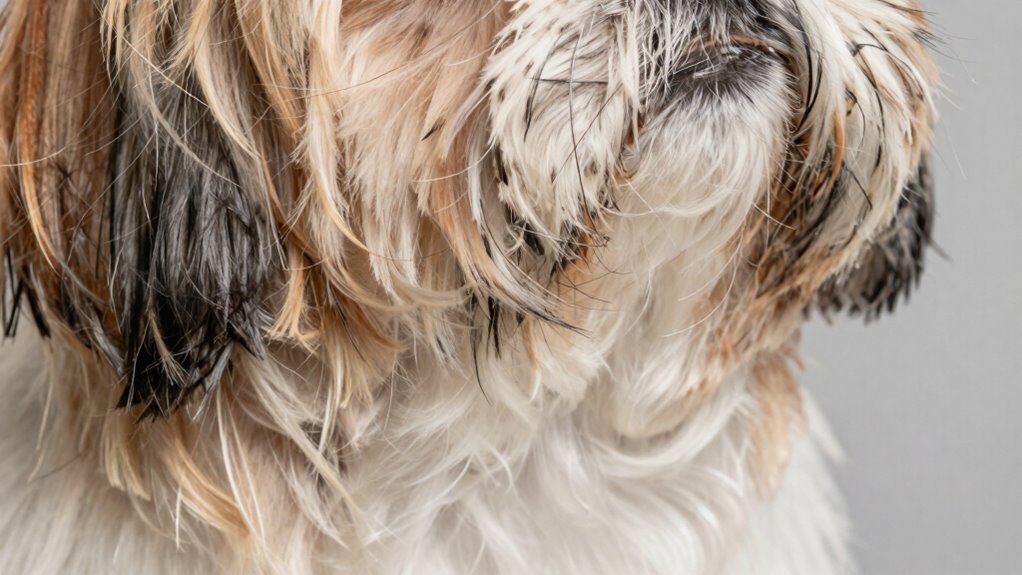
Shih Tzus sport a double coat that defines their luxurious, flowing look—and it’s this unique structure that shapes everything about their shedding and care.
Our Shih Tzu’s coat consists of a soft undercoat and a longer, fine and silky topcoat, creating a plush, elegant appearance. Unlike typical fur, their hair grows continuously, more like human hair, which means they shed very little. That low shedding makes them a popular choice for those seeking a hypoallergenic breed, though no dog is 100% allergen-free—dander is still a factor.
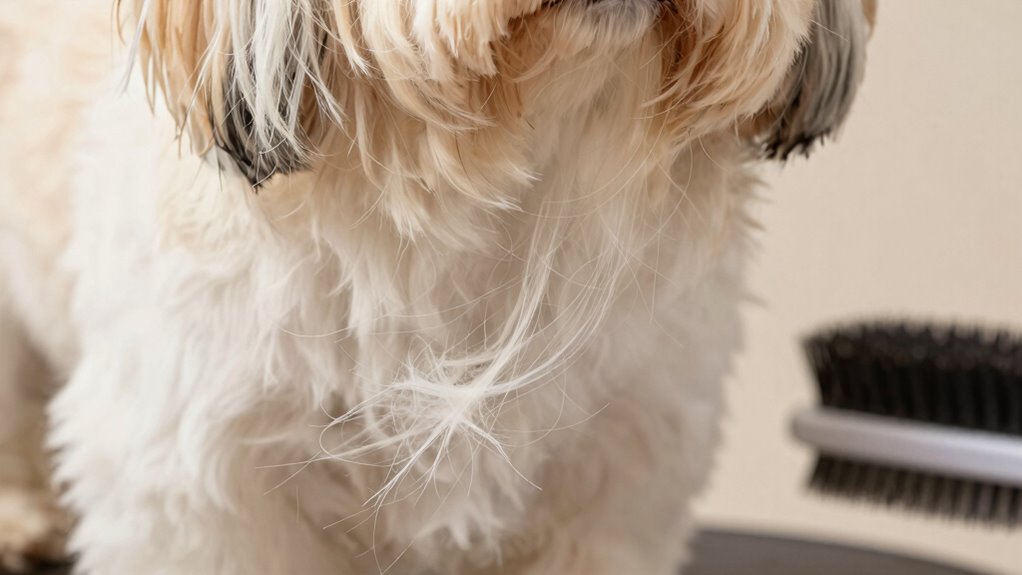
Because the undercoat sheds but gets trapped in the topcoat, tangles and mats form quickly without daily brushing. We can’t skip regular grooming; trims every 4 to 6 weeks keep the coat healthy and tangle-free. To manage mats effectively, using specialized grooming tools designed for double coats helps prevent matting and reduces grooming costs.
Grooming isn’t just about looks—it’s essential maintenance. We pay close attention to the mustache and topknot, since moisture and food can dampen these areas, leading to irritation.
With consistent care, our Shih Tzu’s coat stays smooth, manageable, and beautiful.
Understanding Shih Tzu Shedding Patterns
While their luxurious coats may seem high-maintenance, understanding when and why our Shih Tzus shed helps us stay ahead of grooming needs. Our Shih Tzu has a double-layered coat, contributing to minimal shedding, but we still notice loose hair during specific times. We see seasonal shedding in warmer months, as they shed to regulate body temperature. A brief coat change between 10 months and 1 year brings slightly more shedding—just for a few weeks. We maintain control through regular brushing, 2-3 times weekly, which removes trapped hair and keeps their coat silky. Regular brushing also promotes dental health by keeping teeth cleaner and acting as a natural toothbrush, similar to how chew toys benefit dogs.
Though often called hypoallergenic, no dog is completely allergen-free. Loose hair can carry dander, so consistent grooming matters even with minimal shedding.
| What We Notice | How We Respond |
|---|---|
| Light seasonal shedding | Increase brushing to 4x/week |
| Loose undercoat during coat change | Use a soft slicker brush |
| Tangles in the double-layered coat | Daily combing for 5 minutes |
| Calm, predictable shedding patterns | Stick to a grooming routine |
Are Shih Tzus Truly Hypoallergenic?
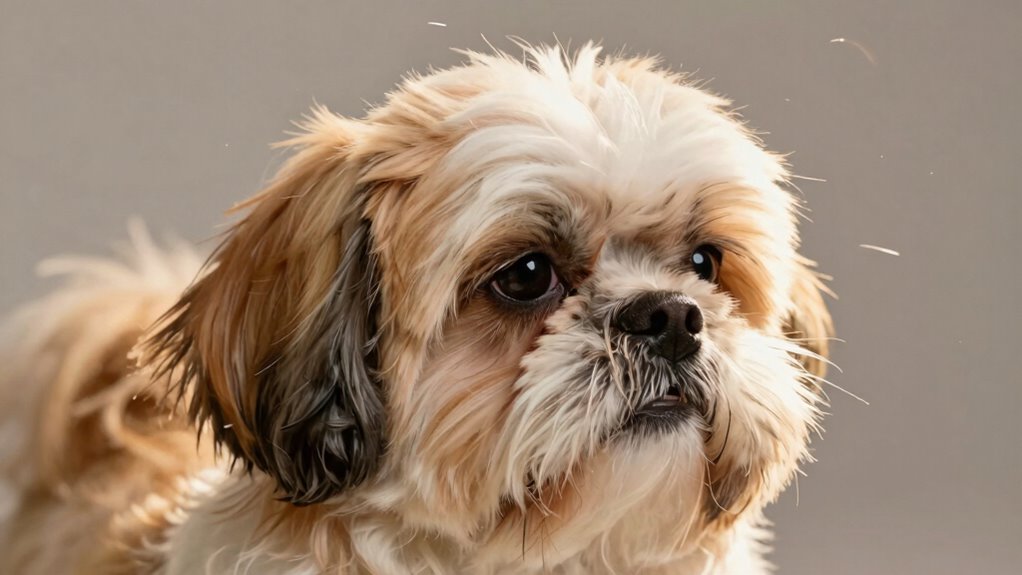
Could a dog that barely sheds be the key to living comfortably with allergies? We recognize how much you want a furry companion without the sneezing, itchy eyes, or constant worry.
While Shih Tzus are often called hypoallergenic, the truth is more nuanced. Their hair-like coat sheds considerably less than many breeds, trapping loose hair and reducing visible shedding.
But here’s what we’ve learned as pet parents and caretakers:
- Shih Tzus still produce dander, the main trigger for allergies, even with minimal shedding.
- Regular grooming—brushing every other day and monthly trims—manages allergens and keeps their double coat healthy. Soft bristles are essential during these grooming sessions to prevent skin irritation while effectively removing loose hair.
- No dog is 100% hypoallergenic, but consistent care makes a real difference for allergy sufferers.
We won’t promise a miracle, but we’ll say this: with attention to grooming and home cleanliness, many of us with mild allergies live well alongside our Shih Tzus.
It’s not about perfection—it’s about partnership, care, and understanding what “hypoallergenic” really means in real life.
Shedding During the Puppy-to-Adult Transition
When our Shih Tzu puppies hit the 9- to 12-month mark, we start to notice more hair than usual on the brush—and sometimes on the floor. This is the puppy-to-adult shift, when shedding ramps up as the soft puppy coat gives way to the denser, silkier adult coat.
It’s normal for a Shih Tzu puppy to experience temporary excessive shedding during this phase—typically lasting no more than three weeks. What looks like surprising hair loss is usually just part of healthy development. We monitor closely to verify it’s not linked to skin issues or poor nutrition.
Regular grooming is key: daily brushing removes loose hair, prevents tangles, and keeps the coat healthy. We also check for balanced diet and hydration—both support skin health and reduce abnormal shedding. Similar to how proper shampoo selection supports coat health in other breeds, choosing the right grooming routine for your Shih Tzu during this transition ensures optimal results.
Seasonal Influences on Shedding
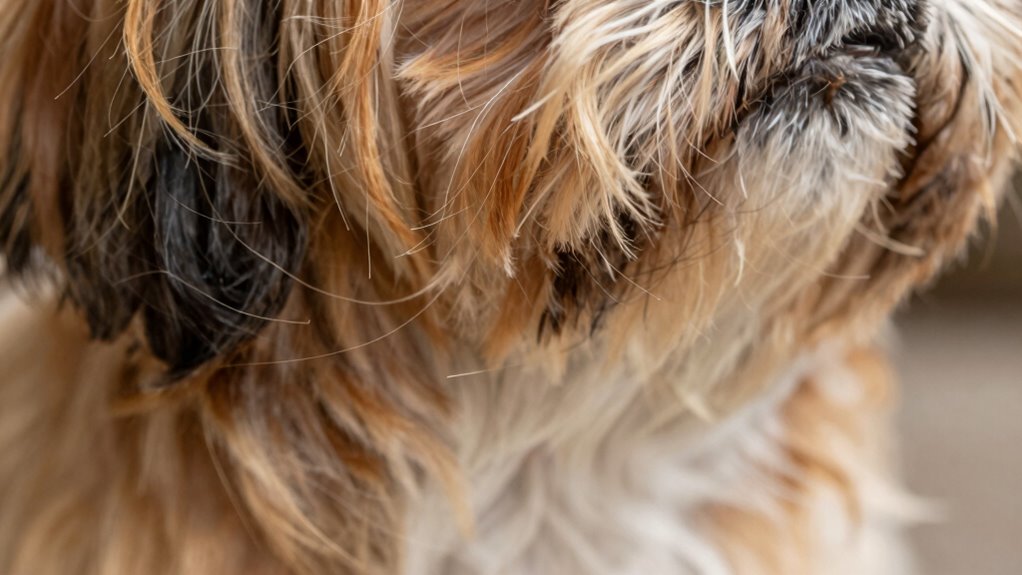
As temperatures rise, we often notice our Shih Tzus shedding more—especially in the summer months. This seasonal shedding is natural, as our pups lose their undercoat to stay cool during the warmer months. While Shih Tzus shed less than many breeds, this shift is something we all experience together.
Several key factors shape how much shedding occurs:
- Grooming routines – Brushing 2–3 times weekly removes loose hair and prevents matting, especially as the undercoat thins.
- Health and diet – A balanced diet rich in omega fatty acids supports skin and coat health, reducing excessive shedding.
- Environmental changes – Indoor heating, air conditioning, and daylight exposure can influence shedding patterns year-round.
We can’t stop seasonal shedding completely, but we *can* manage it with care. Additionally, peptide supplements can support faster recovery and repair of skin cells, further enhancing coat quality and reducing excessive shedding. Staying consistent with brushing and monitoring our pup’s diet and environment helps keep their coat soft, healthy, and less prone to sudden flare-ups of shedding.
Let’s keep our Shih Tzus comfortable through every season—gentle grooming and attention make all the difference.
Health Conditions Linked to Excessive Shedding
Shih Tzus typically shed lightly, but excessive shedding can signal underlying health issues we shouldn’t ignore. When our Shih Tzu starts losing more hair than usual, it’s time to look deeper—often, it’s the body telling us something’s off. These little pups face unique health challenges that may contribute.
| Condition | How It Affects Shedding |
|---|---|
| Periodontal disease | Inflammation leads to facial and neck hair loss |
| Brachycephalic conditions | Stress and hormonal imbalances increase shedding |
| Luxating patella | Pain alters grooming, causing patchy shedding |
| Intervertebral Disk Disease | Chronic pain and stress disrupt coat cycle |
| Kidney issues (Renal Dysplasia) | Impaired function links to widespread hair loss |
We must watch for changes in coat, behavior, or comfort. Renal Dysplasia, in particular, is a genetic concern in Shih Tzus, where kidneys don’t develop fully, often showing excessive shedding as an early red flag. We can’t fix what we don’t see—so let’s stay close, stay alert, and give our companions the care they quietly depend on.
The Role of Diet in Coat Health and Shedding
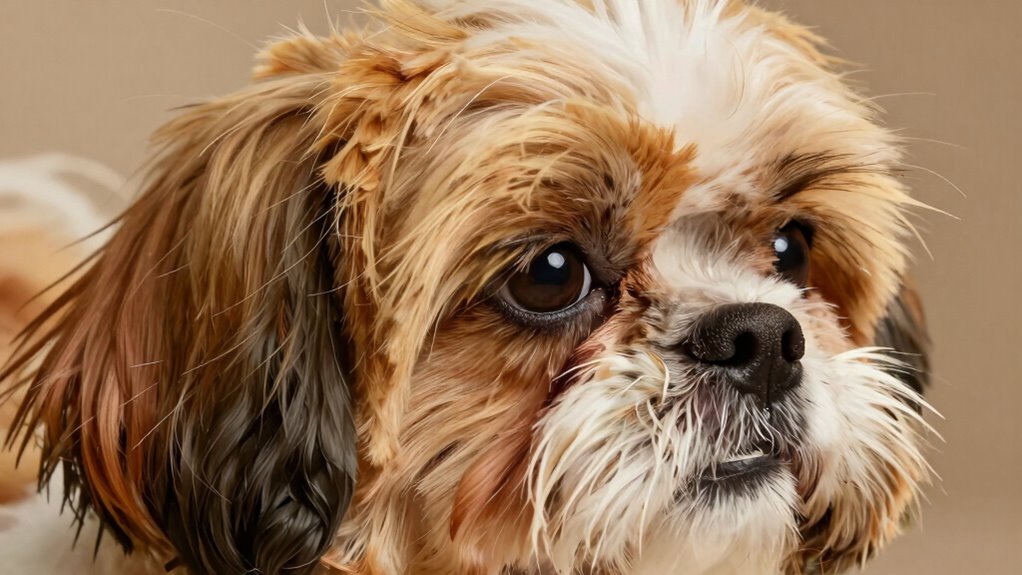
Though we often focus on grooming and genetics, what we feed our Shih Tzus plays a central role in keeping their coat lush and shedding under control. A poor diet can lead to nutritional deficiencies that directly impact coat health, causing dry skin and excessive shedding.
To support a shiny, manageable Shih Tzu’s coat, we prioritize:
- High-quality proteins as the foundation of every meal—look for named meats like chicken or salmon in the first three ingredients.
- Fatty acids, especially omega-3s from fish oil or flaxseed, which nourish the skin and reduce inflammation linked to shedding.
- Targeted supplements when needed, like fish oil or biotin, to fill gaps and boost coat health, especially if dry skin appears.
Hydration and age-appropriate food matter too—puppies and seniors have unique needs.
A consistent, balanced diet rich in essential nutrients doesn’t just prevent shedding—it transforms your dog’s entire coat. When we feed right, we see real change: less hair on the floor, more gloss in their stride.
Effective Grooming Practices to Minimize Shedding
When it comes to keeping your Shih Tzu’s shedding under control, grooming isn’t just about looks—it’s a necessity.
We brush our Shih Tzu at least 2–3 times a week to manage loose hair and prevent matting in their double coats. A slicker brush works best to reach the undercoat, massaging the skin and boosting circulation, while a bristle brush finishes the job by enhancing coat shine.
We also groom their mustache and topknot daily to reduce hairball formation and keep their face clean.
We only bathe our Shih Tzu every four weeks—too much bathing strips natural oils and harms skin health, increasing shedding.
Proper grooming supports a healthy Shih Tzu’s coat and complements the omega-3 fatty acids we include in their diet. Together, these habits make a big difference.
Grooming isn’t just routine; it’s bonding. And with consistent care, we keep shedding minimal, coats soft, and our pups comfortable.
It’s simple, effective, and something we never skip.
When to Consult a Veterinarian About Shedding
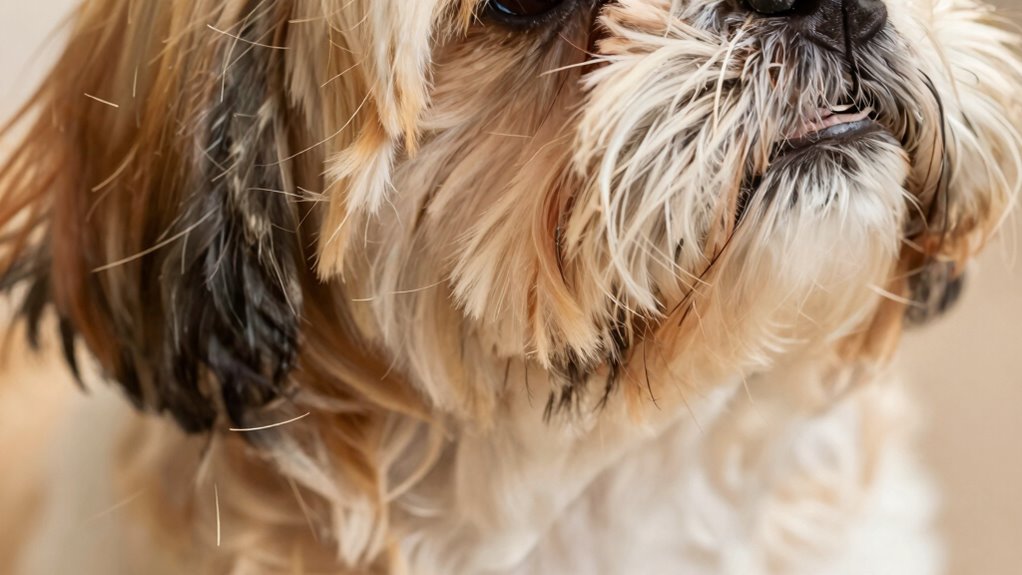
What if your Shih Tzu starts shedding more than usual? While all dogs shed hair to some degree, excessive shedding could signal an underlying health issue. We should consult a veterinarian if we notice abnormal shedding paired with other red flags. It’s not just about fur on the couch—our pup’s comfort and health are at stake.
Here’s when to act:
- Skin irritation or bald patches appear alongside increased shedding—common signs of allergies or infections.
- We spot signs of pain, like limping or reluctance to move, which may link to stress-related or systemic health problems.
- There’s a sudden change after a new diet, environment, or stressor, especially if shedding persists beyond a few weeks.
Regular veterinary check-ups help catch issues early, like hormonal imbalances or skin conditions common in Shih Tzus. Excessive shedding isn’t normal, even for double-coated breeds.
When in doubt, we consult a veterinarian—early detection protects their health and keeps their coat soft, shiny, and manageable. Let’s keep our best friends feeling their best.
Frequently Asked Questions
What Is the Downside of Shih Tzu?
we’ll be honest—the downside of a shih tzu? they’ve got health issues like breathing and dental problems, plus high grooming needs, training challenges, and noise levels that surprise some. we manage their exercise requirements, dietary considerations, and behavioral quirks daily, knowing lifespan expectations are 10–16 years. socialization tips help us bond deeper, but it’s not always easy.
Are Shih Tzus Hypoallergenic?
we’ll be honest — shih tzus aren’t fully hypoallergenic, but their coat traps dander well. with consistent shih tzu grooming and care, we manage allergies better. their sweet temperament and companionship fit our cozy lifestyle, though maintenance stays high for coat and health.
Do Shih Tzus Like to Be Cuddled?
We cherish how our Shih Tzus adore cuddling, their affectionate nuzzles speaking volumes. We notice their happiness signals, trust blooming through shared warmth. Their cuddling preferences reveal deep pet bonding—sweet comfort zones where dog affection, emotional support, and physical touch intertwine, honoring breed characteristics we hold close.
How Do I Stop My Shih Tzu From Shedding?
we can’t stop our shih tzu from shedding completely, but we minimize it together through grooming techniques, proper diet, regular bathing, and using shedding tools. we bond during fur care, adapt to seasonal changes, bust shedding myths, schedule health checks, and share vacuuming tips that keep our home cozy and clean.
Conclusion
We’ve covered it all: from the double coat to seasonal shifts, diet, and grooming. Shih Tzus shed—just barely. With brushing twice weekly and monthly trims, loose hair stays under control. They’re not truly hypoallergenic, but close enough for most. Excessive shedding? That’s when we call in the experts. Health, diet, and care keep coats silky, not scattered. Prevention, consistency—we’ve got this in the bag.