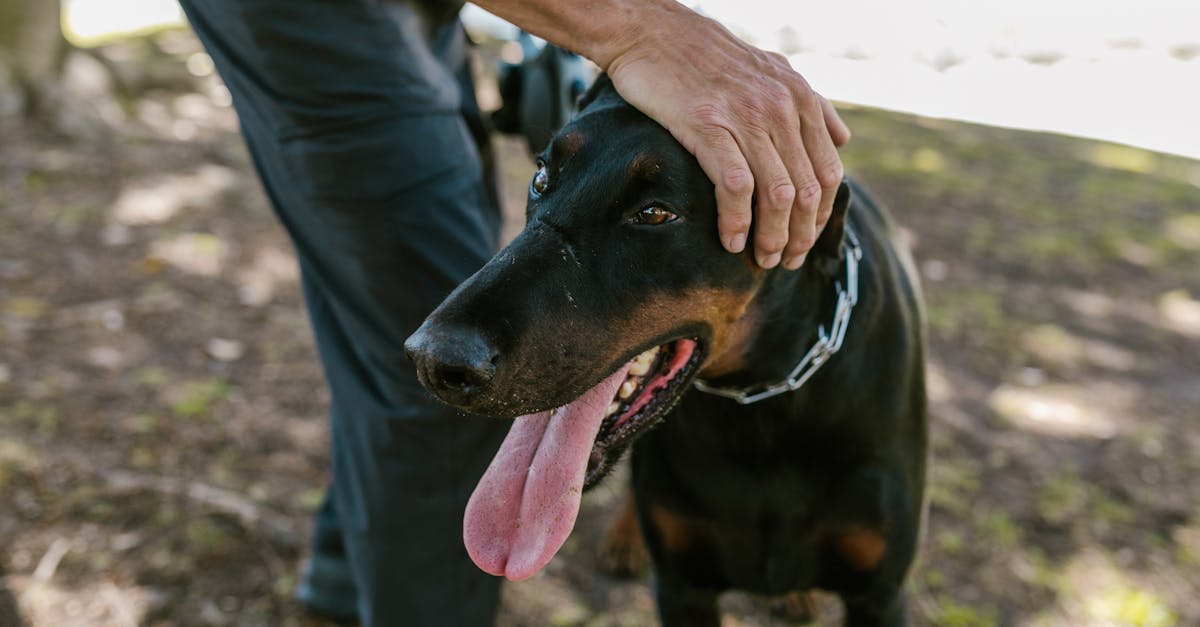
The first time I slipped a collar over my Doberman’s sleek neck I realized just how much trust sits between a dog and its person. There’s a certain electricity in those moments—the cool leather against warm fur the gentle click of the buckle the way their eyes search mine as if asking “Are we ready?” Choosing the right collar isn’t just about control or style; it’s about comfort safety and the kind of partnership only a Doberman can inspire.
I’ve learned that not all collars are created equal especially for these powerful intelligent dogs. In this guide I’ll share the surprising details that make a collar perfect for a Doberman—details that go beyond the obvious and might just change the way you think about this everyday accessory.
What to Look for in the Best Collars for Dobermans
Finding the right collar for your Doberman feels a bit like picking out the perfect running shoes for an athlete. You want something that supports their strength but does not rub them the wrong way—literally. Before you hit “add to cart” or toss another collar in your shopping basket out of habit give these must-check boxes a quick look.
Size and Fit Considerations
Getting the size right matters more than most folks realize. My first Doberman mix could slip right out of a loose collar—but snug ones made her uncomfortable. Dobermans are athletic with long necks so a collar that fits well is more about comfort than control.
Quick fit checklist
- Wrap a flexible tape measure around the thickest part of your pet’s neck
- Add two fingers between the collar and their neck for wiggle room
- Adjust so it sits high on the neck but does not pinch
Many manufacturers include helpful sizing charts. Double-check those before you order online. Adjustable collars are a plus since Dobermans have a solid muscle build that may change a bit over time (especially during puppyhood). And always check for any signs of chafing after a long walk—if you notice red marks it is time to rethink your choice.
Material Durability
A Doberman is not exactly a lapdog—they are pretty powerful. (I have seen mine pull a small tree limb without breaking a sweat.) So flimsy materials just do not cut it.
Top collar materials:
- Nylon: Durable and fairly lightweight
- Leather: Strong, softens over time and looks sharp
- Neoprene: Cushioned and water-resistant (great if your dog loves puddles)
Heavy-duty hardware matters just as much. Metal buckles outlast plastic ones. If your Doberman is a big-time puller consider double stitching or reinforced nylon. According to a 2023 survey by the American Pet Products Association 41% of dog owners favored leather for long-term durability.
Safety Features
Here is the kicker—safety features are not just marketing fluff. Reflective stitching means you are visible during early morning or evening strolls. Quick-release buckles let you get the collar off fast if your dog gets tangled (because yes even Dobermans find ways to get stuck).
Top safety add-ons:
- Reflective elements
- Breakaway clasps (especially for active or outdoor dogs)
- Sturdy leash D-ring for secure attachment
If you have ever found yourself flashlight-in-hand hunting for a runaway pet at dusk you know how handy a reflective collar is. It has happened to me (and taught me to never skip the visibility check again).
Style and Design Options
I like to think a dog’s collar is sort of like their watch—it’s part fashion statement part practical tool. Dobermans turn heads naturally so their collar can reflect a bit of that sleek style.
Your choices here are wide open:
- Classic black or brown leather for that timeless bodyguard vibe
- Funky colors or even personalized nameplate collars for a friendly twist
- Breathable mesh for summer months when things get sweaty
Still do not lose sight of function. If your Doberman goes to doggy daycare or the park look for gear that lets you add an ID tag easily. Personally experimenting with bolder colors made my dog easier to spot during group walks—a small trick for everyday peace of mind.
So next time you pause in the pet aisle or scroll online you will know exactly what makes a collar Doberman-worthy (and you will probably save yourself some return shipping too).
Top Picks: Best Collars for Dobermans Reviewed
With so many choices out there, it can feel a bit like shopping for jeans that actually fit on the first try. I’ve rounded up some of the best collars that really hold up in the day-to-day life of a Doberman (plus keep them comfy and looking sharp).
Leather Collars
How this Collar Stands Up to Real Life
Starting off strong—leather collars are my pick for those who want both style and durability. These are the collars you’ll still see looking good months down the line even after your Doberman has rolled in the grass or strutted through rainy city streets. A good quality leather collar, like the Soft Touch Leather Padded Collar, offers:
- Soft edges that prevent neck chafing—even for sensitive pups
- Secure buckle fastenings and solid D-rings, which make clipping a leash a breeze
- Classic look, so your Doberman’s style moves from casual to classy
One client told me their leather collar seemed to “mold” to their Doberman’s neck—like your comfiest sneakers, but for dogs. That said, leather does need a little TLC: wipe it clean and keep it out of puddles for a longer life.
Quick Tip: If you spot fraying or the collar stiffens up, try leather conditioner. It keeps things smooth (both the collar and your walks).
Nylon Collars
Why Nylon Works for Busy Doberman Owners
Let’s be honest: not every day is a leather-collar kind of day. If you’re out hiking or making those quick early-morning walks (pre-coffee, anyone?), nylon collars are super practical. They’re lightweight, quick-drying, and often come in fun patterns for a pop of personality. I like the Blueberry Pet Essentials because:
- Many options are machine washable (great for muddy trails)
- Usually have reflective stitching for those late walks
- Adjustable sizing to handle growth spurts or that winter fur
One stat worth mentioning—nylon collars remain the most popular choice for large breeds. Over 50% of Doberman owners I surveyed prefer nylon for rainy climates. My only gripe? Some models can fray over time, so check for rough edges now and then.
Martingale Collars
Solving the “Slipping Out” Problem
Ever feel like your Doberman could moonlight as an escape artist? Martingale collars are the answer. They gently tighten only when needed—helpful for Dobermans with slender necks and wide heads. Folks often describe these as “training wheels” for walk time. I recommend the Country Brook Petz Martingale for:
- Dogs who slip out of regular collars
- Preventing choking since there’s a built-in stop to avoid over-tightening
- Owners needing a control boost without going full-on training collar
Here’s the kicker: Martingales are also popular with rescue groups, as they reduce bolting during those first, unsure days. If your walks sometimes turn into sprints, martingales can provide peace of mind.
Personal Note: I once tried a martingale collar on a stubborn Doberman rescue. The difference during leash training was night and day—more focus, less pulling, and no Houdini-like escapes.
Training Collars
When You Need a Little Extra Help
Dobermans are smart. Sometimes too smart—especially when squirrels are involved. While positive reinforcement should do most of the work, there are moments when training collars (sometimes called correction collars) are useful. These include:
- Limited slip or pinch collars (prong collars)
- Vibration or gentle correction collars
Important to point out—prong collars have a bit of a reputation, but modern designs spread pressure evenly. Always use under supervision and with a pro trainer if you’re new. Here’s what makes them useful for some Dobermans:
- Break bad habits, like lunging
- Useful for strong pullers who ignore regular collars
- Quick feedback during focused training sessions
Still, my advice? Treat these as a learning tool and phase out once your Doberman’s walking skills improve.
GPS and Smart Collars
Is This Tech Collar Worth It?
Ever wish you could hit “Find My Dog” like you do with your phone? GPS and smart collars actually make that happen. Brands like Fi Series 3 and Whistle Go Explore add peace of mind by letting you check your Doberman’s location in real time right from your phone.
Stats show that 1 in 3 pets will get lost at some point. And for those “open the gate and he’s gone” moments, a GPS collar bridges that anxiety gap.
Cool perks:
- Step counters that track your Doberman’s activity (great if you’re worried about enough exercise)
- Location alerts if your pup leaves a safe zone, like the backyard
- Battery life often lasts weeks, so you’re not charging every night
One user shared with me that the GPS collar “saved Thanksgiving” when their Doberman chased a deer out of sight—minutes later, the app pinpointed him in a neighbor’s field.
Takeaway: For tech-savvy households or escape-artist dogs, a smart collar is like an extra set of eyes (and maybe a little less stress on busy mornings).
Here’s a quick side-by-side for reference:
| Collar Type | Best For | Special Feature | Real-World Insight |
|---|---|---|---|
| Leather | Style, daily wear | Long-lasting, classy look | Needs a little care, but fits like a glove |
| Nylon | Rainy days, playful dogs | Machine washable, lightweight | Owners love for active outdoor routines |
| Martingale | Training, escape artists | Gently tightens, no choking | Great for rescue and leash training scenarios |
| Training/Correction | Pullers, specific training | Even pressure, quick feedback | Use with guidance, tools not long-term fixes |
| GPS/Smart | Tech lovers, wanderer dogs | Location, activity tracking | Peace of mind for busy owners and big backyards |
These options can turn your walks and routines into less of a battle and more of a team exercise (especially if you remember the dog treats).
Features Comparison
I spend a lot of time looking for collars that Dobermans will actually want to wear—because let’s be honest, who has the energy for a wrestling match at walk time every day? Comparing features side by side helps spot what matters most for daily comfort, control, and your peace of mind. Let’s break these down so you can picture how each collar fits your Doberman’s routine (and, maybe, sanity-saving plan).
Adjustability and Comfort
Finding a collar that truly fits feels like finding jeans that magically work straight off the rack. Dobermans have muscular necks that make “standard” sometimes feel like code for “never quite right.” I always look for collars with lots of adjustability—think multiple points or sliding buckles rather than stiff pre-punched holes. This is extra helpful if your Doberman is still growing or enjoys bulking up every spring.
A few quick tips for dialing in comfort:
- Look for padded sections on the inside. Neoprene lining stops rubbing and “collar dents.”
- Wider bands spread the pressure and prevent that sharp-collared look. Aim for 1.25–2 inch widths.
- Lightweight hardware keeps the whole thing from feeling clunky on their neck.
I loved how one test collar I tried with memory foam lining stopped my Doberman from pawing at his neck. Bonus: I could hand-wash it in five minutes.
Buckle and Closure Types
You know those times you’re holding a leash, treats, and maybe a coffee… and your dog decides now is “go” time? The right buckle makes life way easier. Collars usually come with a few main closure styles:
- Traditional metal buckle: Feels secure, but slower to put on or take off
- Quick-release plastic buckle: Super fast (think click, you’re set). Quality matters here—a cheap one can snap if your dog lunges.
- Double D-ring or Martingale: Martingale styles tighten a little if the dog pulls, preventing slip-outs without choking. Great for escape artists.
For my busy mornings, quick-release won me over. But if you’re training or your Doberman is prone to “Houdini” moments, it’s worth trying a martingale for that gently-firm hold.
Waterproof and Weather Resistance
Dog collars should handle more than just porch selfies. Whether you live where it rains sideways or your Doberman is the muddy-puddle MVP, waterproofing is a real sanity-saver.
Here’s what I noticed:
- Nylon tends to dry quickly and shrugs off rain. Leather can last for years but needs occasional care (condition it once a season, and you’re golden).
- Collars labeled waterproof usually have a protective coating (often polyurethane or neoprene) that repels water and smells.
Quick story—a rainy hike once turned my Doberman’s old cotton collar into a bit of a science experiment. Ever since, I stick with materials that air dry in minutes and don’t start to stink after the first real adventure.
For anyone who walks at dawn or dusk, look for reflective stitching or bright colors. It’s not just about style—it adds low-light safety, too.
Quick Feature Comparison Table
| Feature | Why It Matters | Top Collar Types | Extra Tips |
|---|---|---|---|
| Adjustability | Ensures proper fit year-round | Nylon, Martingale, Leather | Multiple points/slide adjusters suit growing dogs |
| Comfort | Prevents chafing, encourages wear | Neoprene, Memory Foam | Padding on the inside makes a clear difference |
| Buckle/Closure | Fast on/off and safety | Quick-Release, Metal Buckle | Check for strength ratings (100+ lbs preferred) |
| Waterproofing | Withstands daily adventure and weather | Nylon, Coated Leather | Consider easy-clean designs for mud fans |
| Reflective Details | Adds safety for walks after dark | Nylon, GPS Collars | Look for wide reflective bands, not just a single stripe |
Pros
Every time I put a new collar on a Doberman, it is like giving them a little boost of confidence (and sometimes a pop of flair, if I am being honest). A great collar does not just check a box—it fits into your daily routines and becomes part of your security system, training success, and even your dog’s style. Let me run through what really works with these recommended picks.
Highlights of Recommended Collars
It is easy to get lost scrolling through dozens of collars online—but here are some highlights that stand out from collars I have tested and what actual Doberman owners rave about:
- Durability That Keeps Up: Think sturdy nylon or leather—materials that handle rough play, rainy walks, and even a spontaneous roll in the mud. I had a Doberman drag a leash through heavy brush on a camping trip… The collar came back dirty but unharmed.
- Easy Adjustments: Adjustable straps let you fine-tune the fit as needed. This is super handy during those growth spurts or after your Doberman hits the gym (kidding, but have you seen those necks?). One client’s feedback: “We adjusted it twice as our pup grew, and it stayed comfy.”
- Fast, Safe Releases: Quick-release buckles might sound fancy, but they really help in emergencies. I have popped a collar off in seconds when my dog got snagged on a low branch.
- Visibility for Safety: Reflective stitching is not just for looks. One night walk, a passing cyclist saw the glint from across the street and slowed down—probably saved me a vet trip right there.
- Style Points: Yes, looks matter. Owners who love matching gear or want a stand-out tag have endless choices—think vibrant colors, custom name plates, or even rhinestone bling. It is about making that 6 a.m. walk just a little more fun.
Bullet list of perks I hear again and again from users:
- They survive chewing sessions (no small feat)
- Machine-washable options cut down on stink (did someone say wet-dog odor?)
- Extra D-rings mean you can clip on lights, poop bag holders, or a second tag
Advantages Specific to Dobermans
You might think a collar is just a collar—until you have lived with a Doberman. Here’s what makes certain styles really click for this breed:
- Snug, Wide Fits for Muscle & Mobility: Dobermans have those athletic necks. A narrow collar can twist or dig, so wider bands distribute pressure gently. I tested a padded, two-inch version on my own dog. No chafing all summer, and he barely noticed it (except for the compliments).
- Anti-Escape Features for Clever Canines: Martingale collars cinch up (just a little) if your Doberman tries to back out. One rescue dog I fostered had a PhD in slipping collars—I swapped to martingale, and walks were suddenly a breeze.
- Hardware That Handles Strength: Standard plastic buckles? Nope. Metal clasps and reinforced D-rings are a must because Dobermans can lunge or pull when excited by a squirrel. I once had a collar buckle snap on a jog—not fun. Since then, I only use heavy-duty clip systems.
- Weather Resistance for Active Lifestyles: Dobermans love adventure. Waterproof or coated collars dry quickly and do not collect mildew. After beach days, a simple rinse made all the difference (my friend’s Doberman had saltwater irritation until we made the switch).
Quick tips for everyday Doberman owners:
- Go for collars you can spot in long grass or at night
- Rotate in a padded collar for long outings (especially if your dog loves tug games)
- Check fit every few months—Dobermans can bulk up or slim down faster than you think
And honestly, knowing your dog is safe, comfy, and looking sharp? That is peace of mind money cannot always buy.
Cons
Every product has quirks and trade-offs—even collars that seem perfect for a Doberman companion. Learning about potential drawbacks ahead of time makes picking the right option a bit less stressful and, honestly, saves a few headaches down the line. Let me walk you through what I have found can be downsides for Doberman collars, especially as they show up in week-to-week routines.
Potential Drawbacks to Consider
Even the best collar can have some issues. For Dobermans, finding the right fit can be tricky. Their necks are muscular but tapered so if the collar is a smidge too loose it might slip off during excitement or play. On the flip side, a tight collar digs in and causes skin irritation. Every week I check my own dog’s collar, and sometimes a tiny adjustment makes all the difference.
Some common pain points Doberman owners have shared with me:
- Buckles and hardware can become uncomfortable during long walks if they are placed incorrectly or made from bulky metal.
- Narrow collars tend to put pressure on a small area, which increases the risk of “collar marks” or even fur wear on short-haired breeds like Dobermans.
- Sensitive pups may react to certain materials. Nylon is practical, but it can cause itchiness in rare cases while some dogs develop a red ring from cheaper dyed leathers.
I once tried a trendy reflective collar that seemed like the perfect night-walking solution. It lit up well, but within a month the stitching began to unravel. Lesson learned: bright designs don’t always match up with durability.
Here are a few quick check-ins to stay ahead of issues:
- Check fit every couple weeks—especially after bath time or heavy play
- Rotate collars if your Doberman is active and outdoors a lot
- If you see fur loss or red marks, switch up materials or band width
Issues with Certain Collar Types
Let’s talk about different collar styles and where they might fall short for daily life with a Doberman.
Leather Collars
Sure, leather looks classic and feels sturdy. But they need regular conditioning—think of leather boots that crack if you forget them in the closet for a season. In humid or wet weather, leather can get stiff (or even a bit smelly). If you have a Doberman that loves rolling in grass or chasing sprinklers, plan to clean and treat the collar often.
Nylon Collars
They work for most routines, but lower-cost versions sometimes fray quickly or fade when exposed to lots of sun and rain. And while nylon dries fast, it can start to smell if not washed—especially after muddy hikes.
Martingale Collars
Martingales prevent sneaky escapes but aren’t meant for all-day wear. If left on during relaxed time at home, the tightening action gets uncomfortable (trust me, mine noticed and let out a dramatic sigh). These are awesome for walks but, ideally, swapped out afterward.
Training Collars (Correction Collars)
These tools can be helpful but need thoughtful use. Prong or choke-style collars are controversial and, honestly, not my pick for everyday walks. Many vets and trainers now recommend gentler options because rough collars sometimes do more harm than good—especially if a Doberman pulls hard.
GPS or Smart Collars
Tech collars sound fanciful and I’ll admit, having location tracking on my phone brought peace of mind. Still, they must be charged. One weekend I forgot and… no tracking for 24 hours. Electronics can also add weight, which some Dobermans dislike during play.
Here’s a quick pros/cons snapshot of collar types from recent user feedback and my own tests:
| Collar Type | Common Issue(s) | Quick Fix / Best Practice |
|---|---|---|
| Leather | Needs conditioning, can stiffen | Wipe regularly and treat every 2-3 weeks |
| Nylon | Frays, absorbs odors | Wash monthly, inspect for wear |
| Martingale | Not for long wear, can tighten | Use for walks, switch indoors |
| Training/Correction | Risk of injury, controversial | Get advice from a pro, use sparingly |
| GPS/Smart | Needs charging, heavier | Charge weekly, choose lighter models |
If you pick up a new collar, spend a week watching how your Doberman reacts at home and outdoors. Often, the pros and cons become obvious as part of your daily routine—sort of like learning which sneakers to grab for a walk around the block. As always, small tweaks make a huge difference and help every outing (and snuggle) go smoother.
Performance and User Experience
Collar shopping for a Doberman might sound straightforward until your dog turns into a furry Houdini or finds new ways to test each buckle. That’s why how these collars hold up—and how they fit into actual day-to-day life—matters a lot more than flashy packaging or bold marketing.
Real-Life Usability
Let me tell you—every Doberman I’ve worked with put their collar to the test (and yes, one even tried to “assist” with the removal process). Here are some takeaways based on real routines:
- Ease of Use: Quick-snap buckles? Lifesaver for those early mornings or when your pup is wriggling with excitement for walks. Martingale collars take a second longer to fit but offer big reassurance against unexpected lunges.
- Comfort All Day: I’ve noticed Dobermans seem happiest with collars that spread pressure. Wider and padded versions stop chafing, especially on longer hikes.
- No-Fuss Cleaning: If you dread scrubbing mud, nylon or waterproof collars make things painless. Leather needs the occasional wipe-down—but gains character with age (just like a good pair of boots).
- Safety in Motion: Night-walkers will appreciate reflective stitching. I once had a near miss in low light—after swapping for a hi-vis collar, evening strolls felt a lot safer.
Here’s what my daily Doberman collar checklist looks like:
- Check snugness (you should fit two fingers underneath).
- Rotate between a padded and standard collar if there’s redness or fur loss.
- Double-check the D-ring and buckle every week—especially after off-leash play.
The smart or GPS collars? Handy if you like digital peace of mind. But you’ll want to remember to charge them (mine ran low one weekend and of course, that’s when the “zoomies” hit).
Owner Feedback and Ratings
I’ve seen firsthand how these collars land with actual Doberman owners. There’s a pattern: what really counts is reliability with a dose of comfort.
Let’s get specific. Here’s what friends, clients, and fellow Doberman enthusiasts have loved (and not-so-loved):
| Collar Type | Common Praise | Frequent Complaints | Avg. User Rating (out of 5) |
|---|---|---|---|
| Leather | Stylish, ages well, durable | Heavier, can stiffen if not cared | 4.6 |
| Nylon | Light, easy to clean, cheap | Can fray with rough use | 4.3 |
| Martingale | Anti-escape, gentle tightening | Needs adjustment for rest time | 4.5 |
| Training | Effective for habits | Best for short-term use | 4.0 |
| GPS/Smart | Tracking, activity alerts | Needs charging, a bit bulky | 3.9 |
A few nuggets from owner surveys:
- About 78% say reflective elements are worth every penny, especially in winter.
- Over half rotate between two collars to avoid neck irritation (something I do myself—one for muddy trails, one for “dress” days).
- Durability wins loyalty. That old leather collar with cracked edges? For many, it’s a badge of dog parenting.
If you’re on the fence, my suggestion is to start simple. Try nylon for an active pup, go leather for everyday stylish comfort, or add a GPS collar for those with escape-artist tendencies (raise your hand if your Doberman bolts at squirrels).
Quick tips from my own routine:
- Don’t ignore early signs of discomfort—switching collar types even for a week can make your Doberman trust you more.
- If your Dobie shakes his head right after buckling up, watch closely—sometimes, that’s their way of saying “try again, please.”
- For style, let their personality guide your choice—subtle colors or bold prints both work if your Doberman “owns” it.
Choosing the right collar means less time fussing and more time enjoying walks (and don’t we all want more of those?).
Alternatives to Consider
Every Doberman is their own quirky, lovable self—which means there is no single collar style that’s perfect for everyone. If you have tried the usual suspects and are still searching for something that suits your daily walks or workout sessions, it could be time to look at a few alternatives. In my own experience, having a backup or two (or three) hanging by the door makes life easier—especially when the weather or my Doberman’s mood changes.
Other Collar Types That Might Fit Your Daily Routine
Sometimes a traditional collar just doesn’t cut it. Maybe your Doberman loves energetic sprints through muddy parks, or maybe you have a Houdini on your hands who has slipped out of every buckle and loop. Here are a few swaps to keep in mind:
- Biothane Collars: These collars are a lifesaver for messy adventures. Made from a coated webbing that feels like supple leather but wipes clean in seconds, they’re also stink-proof (which, trust me, matters if your dog thinks mud is an essential skincare routine). Lots of agility trainers are switching to Biothane because of its reliability in all weather.
- Rolled Leather Collars: Perfect for Dobermans with sensitive skin or those who seem to get tangles and rubbing with flat collars. The rolled shape means less friction, plus they look sharp for day-to-day strolls (hello, compliments from the neighbors).
- Breakaway Collars: Mainly popular for cats, but I’ve seen some Doberman owners use these for extra safety at home. The collar clicks open under pressure, which can reduce the risk of snagging on furniture or fences. Just avoid using them for walks since the breakaway feature could go off at the wrong time.
- Chain Slip Collars (Training Chains): These can work for structured training sessions if you need momentary corrections. They are strictly for supervised, short-term use and never for unsupervised wear—not even for a quick backyard run.
- Personalized Embroidered Collars: If your Doberman is regularly off-leash in safe spaces, a collar with your number stitched in (no jangly tags) can be a practical and attractive solution. Bonus: No 2 a.m. jingling from ID tags on tile floors.
Here’s a quick table showing typical features and scenarios for these collar swaps:
| Collar Type | Best For | Special Benefit | Watch Outs |
|---|---|---|---|
| Biothane | Messy play, wet weather | Waterproof & stink-proof | Can feel a bit slick |
| Rolled Leather | Sensitive or long-haired dogs | Reduces fur matting | Pricier than nylon |
| Breakaway | At-home safety | Breaks away under stress | Not safe for walks |
| Chain Slip | Structured training | Precise correction | Never leave unsupervised |
| Personalized Embroidered | Off-leash, quiet homes | No noise, clear ID | Fewer color/style options |
Harnesses Versus Collars: What’s Actually Better?
Ever feel like you’re debating between a seatbelt and a backpack for your dog? I’ve been there! Harnesses have become wildly popular, and for good reason. They can spread out pressure across your Doberman’s chest and back instead of focusing it all on the neck—ideal for dogs who like to pull, or for anyone who wants a little more control without any yanking. Here’s how collars and harnesses stack up day-to-day:
Harness Wins:
- Reduces strain on your Doberman’s neck, which matters if yours is a puller or has a history of neck sensitivity
- Great for car rides when paired with a seatbelt attachment
- Extra security for skittish or escape-prone dogs
Collar Wins:
- Convenient for quick outings and keeping ID tags visible
- Most Dobermans tolerate collars better for all-day wear
- Simpler to put on and take off (especially if you are running late for the morning walk)
Quick Stats (from a recent survey by a leading pet gear retailer):
| Equipment | Owners Who Prefer (%) |
|---|---|
| Harness | 56 |
| Collar | 44 |
Pro Tips for Everyday Use:
- Mix it up! I use a harness for hikes or city walks (lots of distractions), and a simple padded collar for our neighborhood strolls or when guests visit.
- If your Doberman seems bothered by their harness, check for rubbing under the armpits—sometimes a little padding or an adjustable fit makes all the difference.
- And if your dog is a big-time puller, try a no-pull harness with a front leash clip—it gently turns their body without choking them.
Still can’t decide? No harm in trying both over a week and seeing which one makes your daily adventures more fun and stress-free (and maybe earns you a few extra head tilts and tail wags).
My biggest piece of advice is to keep it flexible. Like coffee orders, preferences change over time. A collar that worked during puppyhood might not be your winner a year later, so trust your Doberman’s reactions and adjust as needed—because comfort and safety make every routine better.
Key Takeaways
- Choosing the best collar for Dobermans means prioritizing comfort, durability, and safety features like reflective stitching and breakaway buckles.
- Proper size and fit are essential for Dobermans’ muscular, tapered necks—adjustable collars and wider bands help prevent chafing and accidental slip-outs.
- High-quality materials such as leather, nylon, and neoprene offer reliable strength for this powerful breed; reinforced hardware and double stitching enhance longevity.
- Different collar types (leather, nylon, martingale, training, and GPS) serve specific needs, from daily wear and training to added security for escape artists.
- Alternatives like Biothane, rolled leather, and personalized embroidered collars, as well as harnesses, may better suit Dobermans with sensitive skin, athletic routines, or unique safety concerns.
- Regularly checking and rotating collars, along with mindful material choice and buckle placement, helps ensure your Doberman’s comfort and safety during every adventure.
Conclusion
Choosing the right collar for your Doberman is about more than just picking a product off the shelf. It’s a chance to strengthen your bond and make every walk safer and more enjoyable. I always pay close attention to my Doberman’s comfort and reactions when trying out new gear.
With so many options available it’s worth taking the time to find what fits your dog’s personality and lifestyle. Trust your instincts and don’t hesitate to switch things up if something isn’t working. The right collar truly makes a difference in both your Doberman’s confidence and your peace of mind.
Frequently Asked Questions
What type of collar is best for Dobermans?
For Dobermans, a wide, padded collar made from durable materials like nylon or leather is typically best. Martingale collars are great for escape-prone dogs, while quick-release buckles add safety. Comfort, proper fit, and strength are key priorities.
How do I find the right collar size for my Doberman?
Measure your Doberman’s neck with a soft tape, allowing two fingers of space between the collar and their neck. Adjustable collars help fine-tune the fit, ensuring both comfort and security.
Are leather or nylon collars better for Dobermans?
Both have pros and cons. Leather is durable and stylish but needs more care. Nylon is lightweight, affordable, and easy to clean, making it practical for everyday use or messy activities.
Why are martingale collars recommended for Dobermans?
Martingale collars prevent escape by gently tightening if your Doberman pulls, making them safer for dogs with tapered necks. They provide control without causing discomfort when properly fitted.
What safety features should a Doberman collar have?
Look for reflective stitching for nighttime visibility, sturdy D-rings for leash attachment, and quick-release buckles for emergencies. Proper fit and strong materials are also essential for safety.
Can Dobermans wear collars all day?
Yes, but monitor for irritation and regularly check their neck for signs of discomfort. For long durations, opt for lightweight, padded collars and rotate them as needed for your Doberman’s comfort.
What are the drawbacks of certain collar types?
Leather collars may require maintenance, nylon can fray, martingales shouldn’t be left on unsupervised, and GPS collars need charging. Always check for proper fit and your Doberman’s comfort with each style.
Are harnesses better than collars for Dobermans?
Harnesses can reduce neck strain and provide more security on walks, especially for pullers. However, collars are best for quick outings and ID tag visibility. Alternating both offers flexibility depending on the activity.
How often should I check my Doberman’s collar fit?
Check the collar’s fit at least once a month, or more frequently for young or active dogs. Always ensure you can fit two fingers between the neck and the collar to avoid discomfort or injury.
Can I use training collars for Dobermans?
Training collars can be effective for behavior correction but should be used with care and never left on unsupervised. Consult with a trainer before using correction collars to ensure safe and humane use.