Let’s clear the air — no dog is completely allergen-free, not even the Shih Tzu. They shed little, thanks to their hair-like coat that grows continuously, often compared to human hair. Yet they still produce dander, saliva, and urine — the real culprits behind allergic reactions. You might tolerate a Shih Tzu better than other breeds, but whether you’ll react? That depends on your sensitivity, their grooming routine, and how you manage allergens at home.
Key Takeaways
- No dog is 100% hypoallergenic, and Shih Tzus produce allergens in dander, saliva, and urine despite minimal shedding.
- Shih Tzus have hair instead of fur, which sheds less and traps dander, reducing airborne allergens.
- Regular grooming, including daily brushing and bathing every 2–4 weeks, helps minimize dander on Shih Tzus.
- Controlling home allergens with HEPA air purifiers, frequent vacuuming, and pet-free zones reduces reactions.
- Individual allergy sensitivity varies; spending time with a Shih Tzu before adoption helps assess compatibility.
Understanding the Hypoallergenic Myth

While many believe Shih Tzus are hypoallergenic because they’ve hair instead of fur, we need to clarify a common misconception: no dog is 100% hypoallergenic.
We acknowledge your concerns about dog allergies, and it’s important to know that Shih Tzus still produce allergens—mainly in dander, saliva, urine, and blood. Though they’ve minimal shedding, ranked a one out of five by the American Kennel Club, they aren’t allergen-free.
Dander remains airborne and settles on surfaces, triggering reactions even in clean homes. Grooming helps—regular brushing and bathing reduce allergen levels temporarily—but studies show those levels return to normal within two days post-bath. For dogs that do trigger allergies, homeopathic remedies can help manage secondary skin irritation caused by allergic reactions.
Your personal sensitivity matters most. What works for one person mightn’t work for you. We recommend spending time with a Shih Tzu before bringing one home. This real-life test reveals how your body responds.
Relying solely on “hypoallergenic” labels can mislead. Stay informed, prioritize grooming, and listen to your body. We’re here to help you make a thoughtful, confident choice.
How Shih Tzu Coats Differ From Fur-Based Breeds
Shih Tzus have hair, not fur, and that makes all the difference when comparing them to traditional fur-based breeds. Their double coat consists of a dense undercoat and a silky outer layer made of hair rather than fur, which grows continuously like ours. This means less shedding—rated a one on the AKC’s one-to-five scale—and less dander released into your home.
The fine texture of a Shih Tzu’s coat traps loose hair and skin cells, resulting in less dander floating in the air, a key reason many allergy sufferers prefer them. While not officially classified as hypoallergenic dog breeds, their low-shedding nature makes them a practical choice.
Still, regular grooming is essential: daily brushing and professional trims every four to six weeks prevent mats and keep allergens in check. Essential grooming tools like slicker brushes and steel combs make at-home maintenance easier and more effective for managing dander and coat health. We love how their hair behaves more like human hair—predictable, manageable, and kinder to sensitive systems.
With proper care, their coat becomes part of the solution, not the problem, helping maintain a cleaner, more comfortable space for everyone.
The Role of Dander in Allergic Reactions

Because dander carries the proteins that most often trigger allergic reactions, it’s the real culprit behind most dog-related allergies—not the hair or fur itself.
It’s understood that pet allergies aren’t about fur length but about the microscopic dander—dead skin cells—that dogs naturally release. Shih Tzus shed minimally, yes, but they still produce dander, making them not fully allergen-free, even if often called a hypoallergenic breed.
These allergens stick to their coats and spread during grooming, when brushing releases trapped particles into the air. That means regular grooming, while essential for coat health, can temporarily increase airborne allergens.
Allergic reactions—like sneezing, itchy eyes, or skin rashes—vary widely due to individual reactions; one person might tolerate a Shih Tzu easily, another might not. Supporting your dog’s skin health and appearance through proper nutrition and supplements may help reduce dander production over time.
We encourage you to spend time with Shih Tzus before committing. Watch how your body responds. Because when managing pet allergies, personal experience matters most.
Do Shih Tzus Shed? Explaining Their Low-Shedding Nature
Though not all dogs shed the same, Shih Tzus stand out for how little they lose their coat compared to most breeds. We call them low shedding for a reason—they rank a one out of five on the American Kennel Club’s shedding scale. That’s as minimal as it gets.
Their secret? They grow hair instead of fur, which means it cycles slowly and falls out far less often. This trait helps them produce less dander, the main trigger for allergy sufferers.
Their double coat—a dense undercoat beneath a silky outer layer—needs consistent grooming, though. Without regular brushing, loose hairs tangle and mat, trapping dander close to their skin. We recommend daily brushing and professional trims every few weeks. Regular grooming maintenance also prevents the buildup of allergens that can accumulate in unmaintained coats, similar to how slow feeders require consistent cleaning to maintain effectiveness.
Because they shed so little, many consider Shih Tzus among the better options when choosing hypoallergenic dogs. They don’t eliminate allergens, but their low shedding and managed coat mean fewer airborne particles.
For those of us sensitive to pet allergens, this small dog makes a big difference—especially when grooming stays on schedule.
Can You Be Allergic to a Shih Tzu?
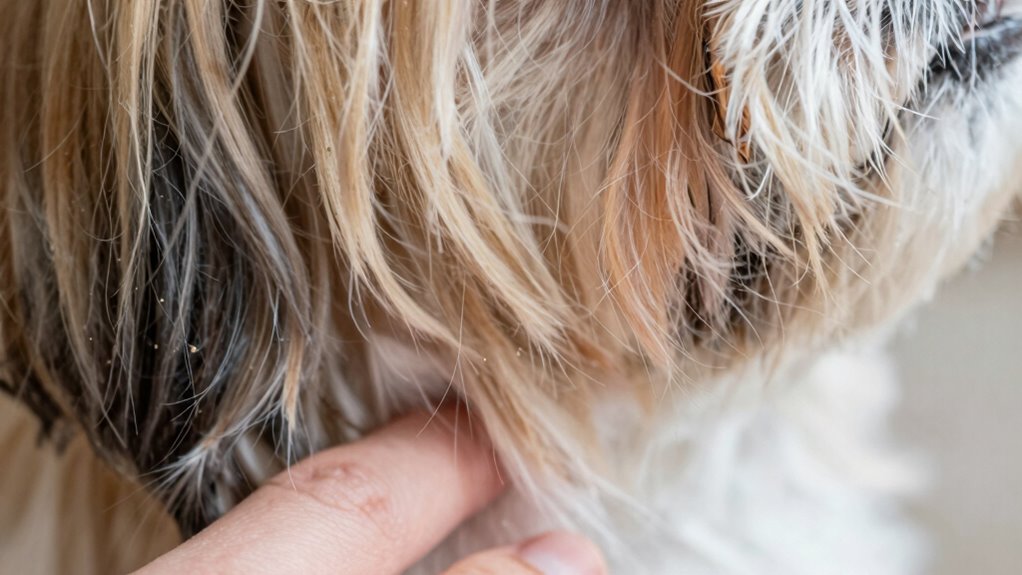
Can a dog that barely sheds still set off allergy symptoms? Yes, even Shih Tzus, often labeled hypoallergenic, can trigger allergies. While their minimal shedding reduces airborne allergens, they still produce dander, saliva, and other allergens that cause reactions.
We all want a cozy home with our furry friend, but it’s important to know that no dog is completely allergen-free.
We understand how much you care, so let’s envision this:
- A warm lap with a soft-coated Shih Tzu curled up, shedding almost nothing but still leaving dander on your sweater.
- A quiet morning disrupted by a sudden sneeze, your eyes watering despite the tiny dog’s gentle grooming routine.
- The soft kiss on your hand—innocent, but saliva carrying allergens that spark reactions.
- A bedroom filled with comfort, yet your allergies flare after cuddling your companion all night.
Allergens are subtle, but real. We all react differently—spend time with a Shih Tzu before committing. Just as carefully selected nutrition supports a dog’s health through quality protein sources, managing allergen exposure requires equally thoughtful consideration and planning.
Grooming Practices That Reduce Allergens
When it comes to keeping allergens in check, we take a hands-on approach with our Shih Tzus—because consistent grooming makes all the difference.
Daily brushing removes loose hair and trapped dander, directly cutting down on allergens. Our goal isn’t to stop shedding completely—no dog truly does—but to manage it.
We bathe our Shih Tzus every 2–4 weeks using a hypoallergenic shampoo that soothes the skin and cleans the coat without stripping natural oils. A healthy coat means less irritation, less shedding, and fewer allergens floating around.
We feed a high-quality diet, adding fish oil to support skin health from the inside out.
Professional grooming every 4–6 weeks keeps the coat trimmed and tangle-free, making cleaning easier.
Between grooming sessions, we use a robot vacuum daily and run air purifiers to reduce allergens.
These habits work together: grooming controls what’s on the dog, cleaning controls what’s in the air and on surfaces.
It’s not magic—it’s routine, attention, and love.
Managing Allergens in the Home Environment

Since allergens from your Shih Tzu can linger in the air and settle on surfaces, we take control of our home environment with a few key, proven steps—because managing dander isn’t just about grooming, it’s about how we maintain the space our dog lives in.
Though the Shih Tzu is often called a hypoallergenic dog breed, no dog is completely allergen-free. We reduce exposure with consistent actions that trap and remove dander and loose hair.
Here’s how we keep our space safe and breathable:
- Run air purifiers with true HEPA filters in main living areas—these capture 99.97% of airborne allergens as small as 0.3 microns.
- Stick to a strict schedule of regular cleaning: vacuum carpets and furniture every other day using a HEPA-filter vacuum.
- Establish pet-free zones, like bedrooms, so we always have a low-allergen retreat.
- Support our grooming routine with daily brushing to catch dander before it spreads across the home.
Together, these steps make a real difference—for us and our beloved Shih Tzu.
Bathing and Cleaning Tips for Allergy Sufferers
We keep allergens in check not just by cleaning the air and surfaces, but by caring for our Shih Tzu directly—starting with how and how often we bathe and groom them. Regular bathing with a hypoallergenic shampoo reduces dander temporarily, though allergens rebound within 48 hours. That’s why daily brushing matters—it catches loose hair and dander before they spread. For allergy sufferers, consistency is key: stick to a cleaning routine that includes HEPA-filter vacuuming and air purifiers. Wash your hands and face after cuddling your pup, and protect sanctuaries like bedrooms with strict pet-free zones.
| Care Step | Why It Helps |
|---|---|
| Weekly bathing | Lowers dander briefly; use gentle hypoallergenic shampoo |
| Daily brushing | Reduces airborne allergens from shedding |
| HEPA cleaning | Captures dander particles invisible to the eye |
We’ve learned these habits make life calmer, cozier, and more breathable—for both us and our dogs.
Alternative Hypoallergenic Breeds to Consider
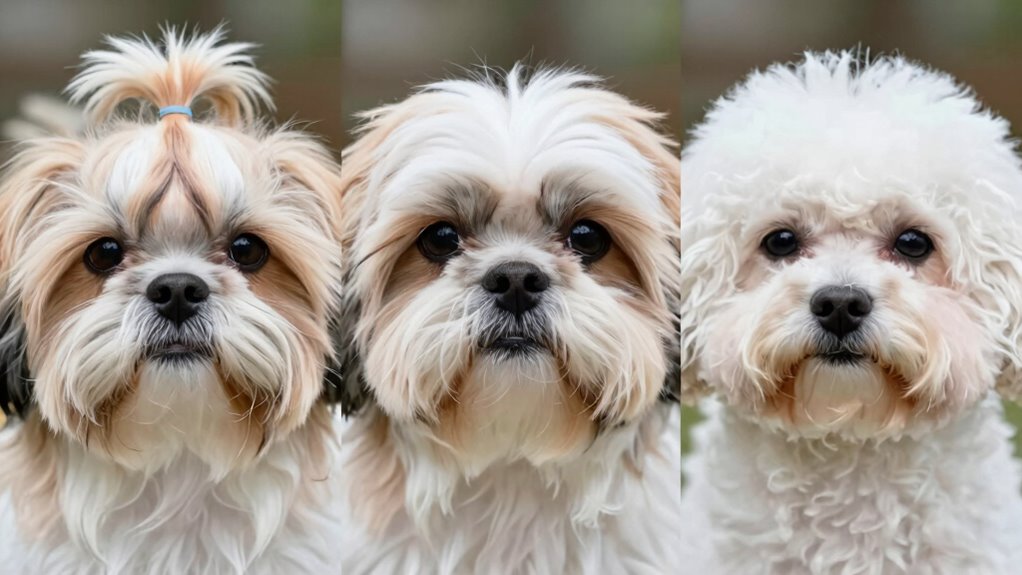
Though no dog is 100% hypoallergenic, several breeds produce fewer allergens and are better suited for people with sensitivities.
If you’re an allergy sufferer seeking a furry companion, we recommend considering these hypoallergenic breeds known for lower shedding and reduced dander production. Their coats trap allergens more effectively, helping keep your space cleaner and your symptoms milder.
- Poodles – Available in standard, miniature, and toy sizes, their tight curls hold in dander, making grooming easier and allergens harder to escape.
- Bichon Frise – With a fluffy, cotton-like coat that’s high maintenance but low on dander, they’re a soft bundle of joy that rarely sheds.
- Yorkshire Terriers – Their hair, similar to human strands, grows continuously with minimal shedding, greatly cutting down on dander production.
- Maltese – Long, silky hair flows like silk ribbon, shedding little and releasing fewer allergens into your home.
These breeds offer real relief for allergy sufferers who still crave connection and cuddles.
How to Test Your Reaction Before Bringing a Shih Tzu Home
If you’re considering a Shih Tzu but worry about allergies, spending 1–2 days living with one is the most reliable way to test your reaction.
We understand you want to believe a dog breed is hypoallergenic, but individual allergy sensitivities vary too much to rely on general claims. Instead, spend time with a Shih Tzu in real-life settings.
Try dog-sitting for friends or fostering through local shelters—these offer a true experience living with the breed. Many breed-specific rescues even provide a trial period so you can evaluate how your body responds.
During this time, focus on monitoring allergic reactions like sneezing, itchy eyes, or skin rashes. Keeping a diary helps track symptoms hourly or daily, giving you clear data.
Note when and how potential allergic reactions appear—this record becomes essential in making an informed decision. Contacting breeders may also open doors to structured trial periods.
You deserve confidence before bringing a pet home. This simple, proactive approach guarantees you’re not guessing—we’re testing, observing, and deciding together.
Frequently Asked Questions
What Is the Common Problem With Shih Tzu?
We see common issues in Shih Tzu health, like breathing struggles and luxating patella—we manage them with proper Shih Tzu grooming, diet, exercise, and regular vet care, while nurturing their sweet temperament, training, socialization, and extending their lifespan together.
Do Shih Tzu Dogs Shed a Lot?
No, we don’t shed a lot—our Shih Tzu shedding is minimal thanks to our hair-like coat. We need regular Shih Tzu brushing, grooming, and maintenance to keep our coat clean, reduce dander, and help with allergies. Love us? You’ll adore our soft, low-shedding cuddles.
Can Shih Tzu Cause Allergies to Humans?
we’ve got news: yes, shih tzu can trigger allergies—despite the hype, their dander, saliva, and trapped pollen don’t vanish. we dodge pet allergy prevention myths; for family allergies, remember: grooming helps, but no breed’s truly hypoallergenic. we feel your sneezes.
Are Any Dogs 100% Hypoallergenic?
No dog’s 100% hypoallergenic—we know that now. We’ve chased dog allergy myths, studied shedding comparison charts, and learned pet dander reduction together. We choose non shedding dogs, follow dog grooming tips, and find allergy symptoms relief, turning hypoallergenic dog breeds into true allergy friendly pets through care and closeness.
Conclusion
We don’t claim miracles—no dog is 100% hypoallergenic, period. But Shih Tzus come absurdly close: minimal shedding, hair-like coats, dander trapped in long strands. We groom weekly, vacuum daily, and control allergens like lab technicians. Still, test first—spend 30+ minutes with one, indoors. Reactions? They’re rare but real. We manage, not eliminate, risk. For most allergy sufferers, Shih Tzus aren’t just tolerable—they’re game-changers. Proper care cuts airborne dander by up to 80%. That’s not hype. That’s science.