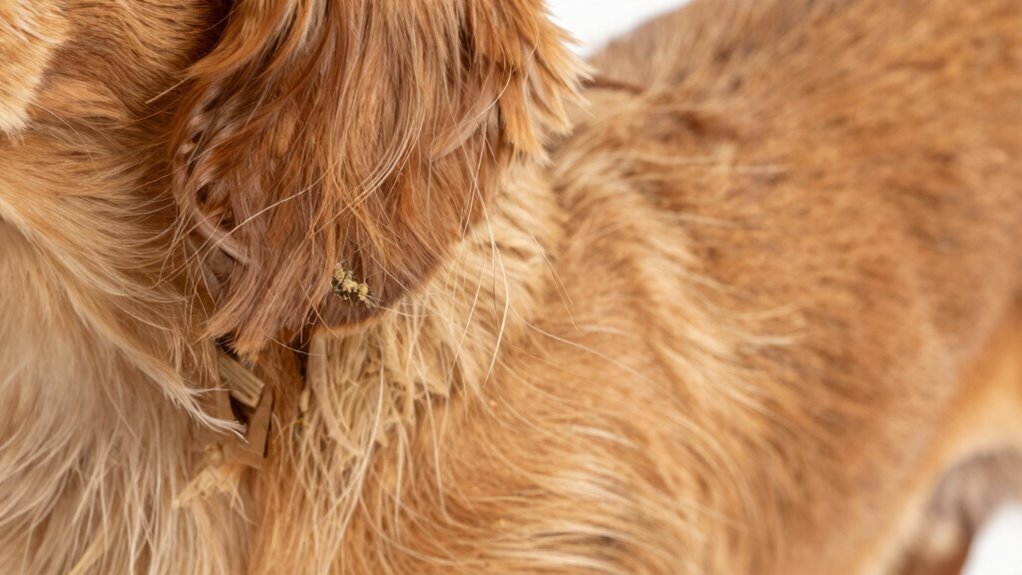
We understand how much you want a dog that won’t trigger sneezing or itchy eyes. Dachshunds are not hypoallergenic—they produce dander, saliva, and urine allergens. All three coat types shed. Smooth-haired ones drop hair year-round; long-haired varieties trap dander but require daily brushing; wire-haired need hand-stripping every 6–8 weeks. You might still find a way to share your home with one, depending on your sensitivity level.
Key Takeaways
- Dachshunds are not hypoallergenic, as all coat types produce dander, saliva, and urine allergens.
- Smooth, long-haired, and wire-haired dachshunds all shed moderately, releasing allergens into the environment.
- No dog is 100% hypoallergenic, and dachshunds do not meet low-allergen breed standards.
- Regular grooming, bathing, and vacuuming can reduce, but not eliminate, allergens in dachshunds.
- Hypoallergenic alternatives like Poodle mixes (e.g., Doxiepoo) may be better suited for allergy sufferers.
What Causes Pet Allergies?
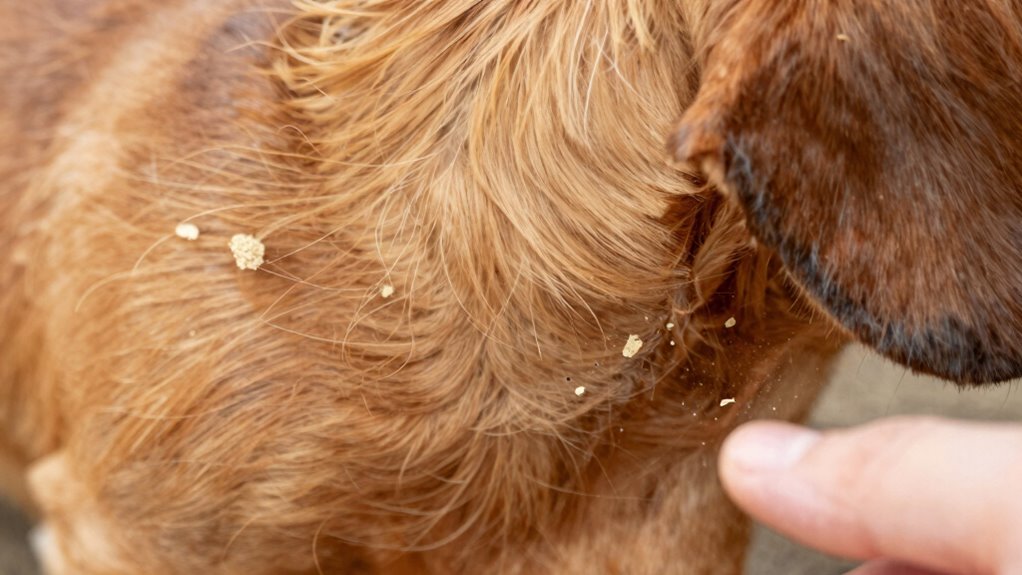
While many assume it’s dog hair that triggers allergies, the real culprits are proteins found in dander, saliva, and urine—microscopic substances that easily become airborne and settle into carpets, furniture, and bedding.
It’s understood that pet allergies aren’t about fur length or breed fluffiness; they’re about allergens our bodies misread as threats. When we’re exposed, our immune systems overreact, releasing histamines that spark sneezing, itchy eyes, runny noses, or even skin rashes.
These reactions vary—some of us sniffle mildly, others wheeze sharply. Dog dander, dead skin cells loaded with proteins, is a prime offender. It’s light, sticky, and stays airborne for hours.
Worse, allergens cling to fabrics and dust, lingering long after a dog leaves the room—even weeks. So even if we don’t own a pet, we might still inhale these particles at a friend’s home or public space. Because allergens settle deep into carpet fibers, regular deep cleaning can significantly reduce allergen levels in shared spaces.
Managing pet allergies means understanding that allergens are stealthy, persistent, and invisible. We can’t see them, but our noses, eyes, and lungs feel the truth.
Are Dachshunds Hypoallergenic Based on Their Coat Types?
Since we’re looking for a dog that won’t set off our allergies, it’s important to know that dachshunds—no matter their coat type—are not hypoallergenic. All three coat types shed moderately and release dander, the main culprit behind allergic reactions.
While their sizes and textures differ, none of the varieties offer the low-allergen promise some of us need. Let’s break it down:
- Smooth-haired Dachshunds have short, sleek coats that shed year-round, spreading allergens just like the others.
- Long-haired Dachshunds boast flowing fur that tangles easily and demands regular brushing—yet still shed and produce dander.
- Wire-haired Dachshunds carry a thick double coat with noticeable seasonal shedding in spring and fall, increasing allergen levels.
- No coat types are hypoallergenic, so if you’re allergy-prone, you might want to explore other low-shedding breeds or hypoallergenic mixes. If you do decide on a dachshund despite allergies, regular cleaning and maintenance of your home and pet can help minimize allergen buildup.
We get how much you love dachshunds, but when it comes to allergies, reality matters.
Consider your comfort—and your sniffles—before committing.
Smooth-Haired Dachshunds and Allergen Levels
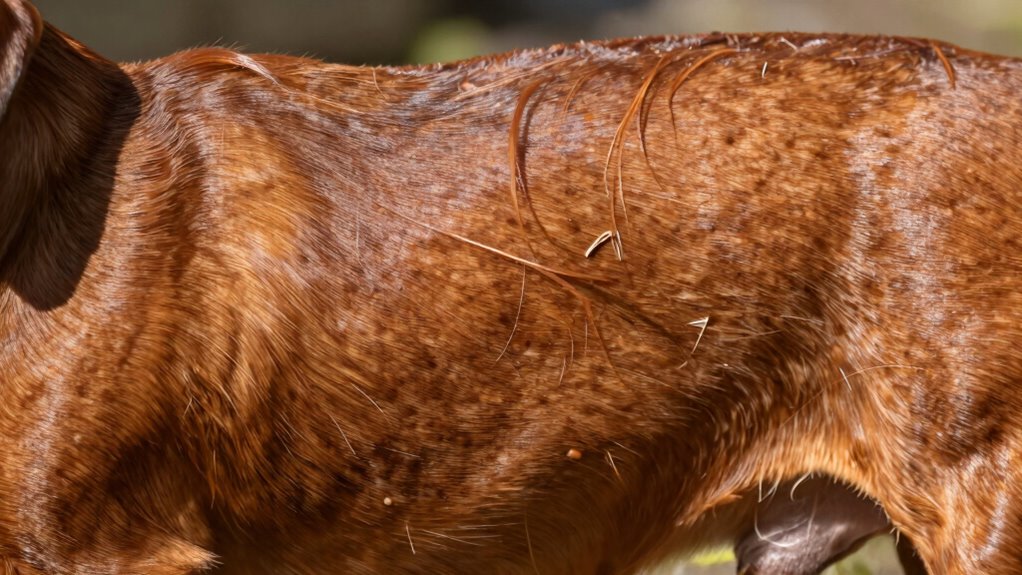
Though they’re the most low-maintenance of the three coat types, smooth-haired dachshunds still contribute to allergen levels in the home. It’s understood that you love their sleek, shiny coats and compact size—around 16 to 22 inches long, usually weighing 16 to 32 pounds—but don’t let their tidy appearance fool you.
Smooth-haired dachshunds shed moderately, releasing dander that carries allergens. Their allergen production isn’t lower than other coat types; proteins in their saliva, urine, and skin cells still circulate in your space. These microscopic particles stick to furniture, bedding, and air, raising the risk of allergic reactions.
Even with less grooming, daily vacuuming and weekly wipe-downs with a damp cloth help reduce buildup. We recommend HEPA filters and frequent laundry to manage exposure. For urine accidents on indoor surfaces, using cleaners with bio-enzymatic action can help break down allergen-containing proteins rather than masking odors.
Still, if you’re highly sensitive, these dogs may not be the safest choice. All dachshunds produce allergens. Smooth-haired dachshunds aren’t hypoallergenic. You’ll need consistent care to keep symptoms at bay—but no promise of freedom from allergic reactions.
Long-Haired Dachshunds: Shedding and Allergy Considerations
If you’re drawn to the elegant, flowing coat of a long-haired dachshund, we’ll tell you straight: these dogs shed moderately all year and aren’t hypoallergenic. While their silky fur looks luxurious, it traps dander and loose hair, making allergy reactions likely.
We recognize you want a companion who fits seamlessly into your life—especially if allergies are a concern—so let’s be clear:
- Long-haired dachshunds shed consistently, requiring weekly brushing to manage loose hair.
- They release allergenic proteins through dander, saliva, and urine, just like smooth and wire-haired types.
- Regular bathing—every 3–4 weeks—helps reduce shedding and surface allergens, but doesn’t eliminate them.
- If you have an allergy, spend time with a long-haired dachshund before adopting to test your response.
- Investing in quality grooming tools like slicker brushes and detangling sprays can help manage shedding more effectively at home.
We’re not saying you can’t live comfortably with one of these sweet, spirited dogs—but planning matters.
Grooming helps, but it won’t override biology. You deserve honesty, not hope built on myths. Know what you’re facing, and decide with your health—and heart—in mind.
Wire-Haired Dachshunds: Dander and Grooming Needs
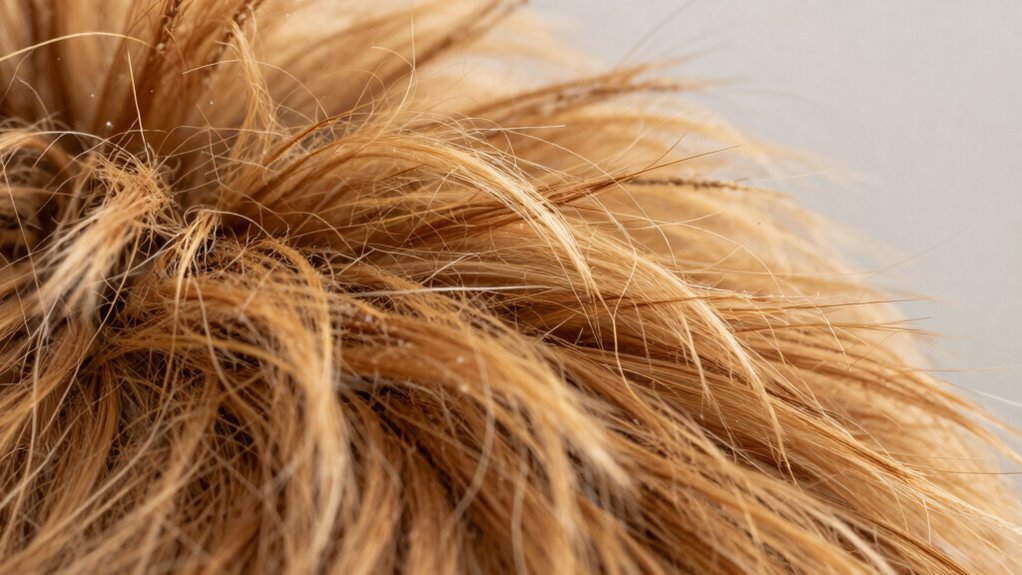
Wire-haired Dachshunds bring a rugged charm with their tousled coats and bushy eyebrows, but don’t let their scruffy looks fool you—these dogs come with grooming demands that directly impact allergy concerns.
We need to be honest: these dogs aren’t hypoallergenic. Their double coat—dense undercoat beneath a wiry outer layer—traps dander and sheds year-round. We see moderate shedding constantly, with peaks in spring and fall. That means more dander floating into your air and settling on furniture.
Regular grooming is nonnegotiable. We brush ours twice weekly with a slicker brush and undercoat rake to pull out dead hair and reduce loose dander. Hand-stripping every few months keeps the outer coat healthy and minimizes shedding. Bathing with a hypoallergenic shampoo every 3–4 weeks also cuts surface allergens. Like slow feeders designed with easy maintenance in mind, grooming tools with thoughtful designs can make the regular care routine less burdensome.
But even with diligent grooming, dander still accumulates. Their coat traps skin cells, and no amount of brushing eliminates allergens completely. If you’re sensitive, this breed’s grooming routine helps, but won’t protect you.
We manage expectations because loving a wire-haired Dachshund means accepting the reality of shedding and dander.
Managing Allergies While Living With a Dachshund
While no dog is truly hypoallergenic, we can still live comfortably with dachshunds if we take smart, consistent steps to minimize allergens in our homes.
Managing allergies successfully means combining practical routines with targeted tools. We’ve found that a few key habits make all the difference:
- Stick to a schedule of regular grooming, including bathing your dachshund every 2–4 weeks with a vet-approved hypoallergenic shampoo to reduce dander.
- Run HEPA-filtered air purifiers in main living areas and bedrooms—models with CADR ratings above 200 cut airborne allergens by up to 99.97%.
- Create dog-free zones, especially the bedroom, to give your body a nightly break from dander exposure.
- Wash bedding weekly in hot water (130°F or higher) and use allergen-proof covers on mattresses and pillows.
Together, these steps help us stay close to our dachshunds while keeping symptoms low.
It’s not about perfection—it’s about consistency.
Hypoallergenic Dachshund Mix Breeds to Consider

Several Dachshund mixes offer a smarter choice for allergy sufferers without sacrificing the loyal, spirited personality we love in the breed. If you’re searching for a hypoallergenic dog breed, these low-shedding Dachshund mixes are worth considering.
The Doxiepoo, a blend of Dachshund and Poodle, often inherits the Poodle’s tight curls and low-shedding coat—ideal for sensitive noses. We also love the Schnoxie: Dachshund and Schnauzer combine for a wiry, dense coat that sheds minimally and brims with energy.
For families craving softness and affection, the Bichonweenie (Bichon Frise x Dachshund) boasts a fluffy, low-shedding coat and a gentle spirit. The Mauxie, crossed with Maltese, gives you a silky, trailing coat that barely sheds—perfect for a devoted lapdog.
And don’t overlook the Dorkie, a Dachshund and Yorkshire Terrier mix, with its fine, silky hair and lively charm. Though no dog is 100% hypoallergenic, these Dachshund mixes come close, giving us warmth, companionship, and fewer allergens—all in one compact, lovable package.
Best Practices for Reducing Allergens in the Home
We’ve explored which Dachshund mixes may be easier on sensitive systems, but even the most allergy-friendly dog needs a clean environment to truly help keep symptoms in check.
Managing allergies at home starts with consistent grooming and smart habits that reduce dander, the main culprit behind most reactions. Here’s how we keep our space safe and comfortable:
- Groom your Dachshund weekly—especially long-haired and wire-haired types—to minimize loose fur and dander buildup. Use a damp cloth between baths to wipe allergens away.
- Vacuum three times a week with a HEPA-filter vacuum like the Dyson Ball Animal, designed to trap 99.97% of particles as small as 0.3 microns, including pet dander.
- Install a HEPA air purifier in shared spaces; models like the Coway Airmega 200 filter 150 sq. ft. rooms every 30 minutes, reducing airborne allergens considerably.
- Keep your dog off furniture and out of bedrooms—designated pet-free zones lower dander exposure where you spend the most time.
With smart routines, we can live closely with our Dachshunds while keeping allergies under control.
Alternative Low-Shedding Breeds for Allergy Sufferers

Since not every home can accommodate a Dachshund—and because allergies vary widely—we turn to breeds proven to shed less and release fewer allergens into the environment. It’s understood that you want a companion without the sneezing, so let’s explore small breeds that produce fewer allergens.
The miniature schnauzer, with its wiry coat and alert eyes, sheds minimally. Bichon frise, bouncy and bright, traps dander in its curly fur. Miniature poodles, smart and compact, have hypoallergenic curls that reduce airborne allergens. The Maltese, delicate and silky-coated, is another top choice—its long hair barely sheds at all.
For more space or energy, soft-coated wheaten terriers and Portuguese water dogs also produce fewer allergens, with wavy coats that don’t scatter dander easily. These are better options for allergy sufferers—still dogs, still love, just less reaction.
But remember: no breed is 100% hypoallergenic. We always suggest spending time with a breed first. Let your body tell you what your heart wants to know.
Frequently Asked Questions
Do Dachshunds Shed a Lot of Dander?
It is understood Dachshunds shed a lot of dander, so we commit to regular Dachshund grooming, control dander levels, and practice allergy management together—because we’ve found ways to live well with our furry family, even with sensitive sniffles.
What Is the Most Hypoallergenic Dog Breed?
we can’t say one breed is the most hypoallergenic, but poodles and bichon frises show strong hypoallergenic traits. let’s explore breed comparisons together and find dog allergy solutions that fit your life and heart.
Are Dachshunds High Maintenance?
We admit we’re high maintenance—we need consistent Dachshund grooming, daily Dachshund exercise, and patient Dachshund training. But we’re worth it. You’ll learn our quirks, love our loyalty, and bond through every brush, walk, and playful challenge we throw your way.
What Are the Pros and Cons of Dachshunds?
We see dachshunds as pocket-sized thunderstorms—fierce, lively, full of spark. Our dachshund temperament wins us loyalty, their exercise needs keep us moving, but their grooming demands remind us love has fur—and plenty of it.
Conclusion
We’ve walked you through the truth: dachshunds aren’t hypoallergenic, no matter the coat. Smooth, long, or wire-haired, all shed dander—microscopic troublemakers measuring 2.5 to 10 microns. But don’t hang up your top hat like it’s 1890. With weekly brushings, HEPA filters (CADR rating 240+), and strict no-dog-on-furniture rules, we keep allergens in check. Consider a dachshund mix like the Doxiepoo, or explore true low-shedders: Bichon Frise, Shih Tzu, or Poodle.