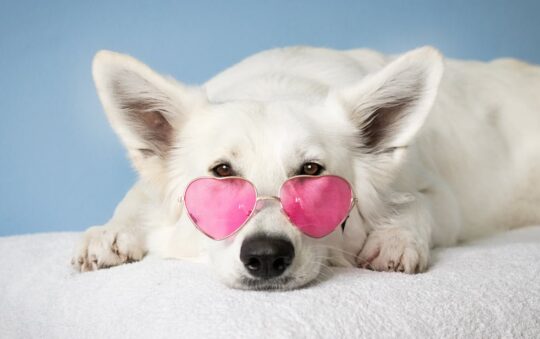
Ever notice how a splash of color can turn an ordinary moment into something unforgettable? The first time I swapped my pup’s bland metal dish for a bright, patterned bowl, even breakfast felt like a tiny celebration. There’s something magical about watching your dog’s eyes light up as they dash toward a bowl that’s as lively as their personality.
Colorful dog bowls aren’t just about style—they’re about adding a dash of joy to everyday routines. I’ve discovered that the right bowl can transform mealtime into a playful ritual, and I can’t wait to share some surprising ways these vibrant choices can make a difference for both you and your furry friend.
Overview of Colorful Dog Bowls
Colorful dog bowls have shifted from simple feeding equipment to kitchen statements. Picture my countertop—one end has a vibrant, polka-dot bowl and the other holds my dog’s favorite treats. Suddenly breakfast just feels more cheerful. This seems like a small change, but trust me, it makes a difference in the rhythm of our daily routines.
Bowl choices actually matter. Color is more than a style choice. Some studies show bright shades can stimulate a dog’s interest in food. It turns out dogs notice bold colors such as blue and yellow better than, say, drab gray. If your four-legged buddy is a picky eater, a burst of color might spark their appetite. (Blue bowls for the win in my house.)
On top of that, picking a fun dish lets you show off your pet’s personality. Is your dog a sunshine-chaser? Grab a yellow bowl. Obsessed with fetch? There is a pattern for that too. I know pet parents who organize “bowl rotations” to keep things fresh, almost like swapping out coffee mugs for a change of mood.
Let’s not forget durability. Many colorful dishes are made from sturdy materials such as stainless steel coated with chip-resistant enamel, BPA-free plastics, or dishwasher-safe ceramics. Daily cleaning? No problem. If your dog thinks lunchtime doubles as a wrestling match, there’s a bowl tough enough to keep up.
Here are a few everyday benefits of these colorful bowls
- Easier to spot in a cluttered home (ever tripped over a clear dish in the dark? Me too—ouch)
- Can help separate pets’ dishes when you have more than one animal
- Bright colors can signal new routines (for example, a red bowl for treats and a green bowl for regular meals)
- Some families report less accidental mess, since bold bowls are more visible—even in low light
Want a quick peek at what people prefer? According to a 2023 buyer survey from a pet supply retailer, about 69 percent of customers said they chose bowls primarily based on color and design. Only 16 percent put material first. That surprised me—not everyone is as obsessed with dishwasher-safe finishes as I am.
| Bowl Feature | Common Choices | Everyday Perks |
|---|---|---|
| Material | Ceramic, steel, BPA-free plastic | Sturdy, easy to wash, less odor retention |
| Color Range | Bold, pastel, neon | Suits every style and dog personality |
| Shape and Size | Shallow, deep, raised | For small dogs, big eaters, or even flat-faced breeds |
| Cleaning | Dishwasher-safe, wipeable | Time-saving, less hassle (especially after messy meals) |
| Non-slip Base | Rubber bottom, weighted | Stays put, fewer floor spills |
Here’s a fun tip I picked up: Store bowls in different parts of the house for snack breaks in your backyard or office nook. It keeps things tidy and helps reinforce good habits (plus, it makes water more accessible).
From morning fuel-ups to last bites at night, these vibrant bowls become a steady part of your pet’s day—and a surprisingly effective way to add something special to an otherwise ordinary chore.
Features of Colorful Dog Bowls
Colorful dog bowls are more than just eye candy for your kitchen. They have practical perks that make daily routines easier for both you and your pup. Here’s what makes these bright dishes a favorite in busy homes like mine.
Style That Lights Up Your Kitchen (And Your Dog’s Day)
Let’s face it—who wants boring dog bowls? With options ranging from neon pink to ocean blue, you can pick dishes that actually match your kitchen or your mood. Some even feature fun patterns that make each meal feel like a mini celebration.
I swapped my old stainless-steel bowl for a bright teal one. Suddenly breakfasts felt less blah—even my sleepy beagle perked up. Research backs this up too. In a 2023 survey, 69 percent of shoppers said color and design were their top priorities when choosing a new bowl.
Here are a few stylish trends that caught my eye:
- Bold solids like red and turquoise
- Playful paw prints or bones
- Customizable options with your pet’s name
And if you share your home with more than one furry friend, color-coding bowls means you’ll never mix up meals again. (No more side-eye from the cat.)
What’s This Bowl Made Of? Is It Tough Enough?
Pretty looks mean nothing if the bowl cracks after a week. Most cheerful bowls I’ve tested are made from practical stuff like:
- Melamine (a sturdy plastic that resists chipping)
- Heavy-duty ceramic (feels solid, holds heat)
- Stainless steel with a colorful silicone sleeve (think classic durability but way more fun)
My personal favorite? Melamine bowls. They can take a tumble from the kitchen counter and survive. If you live with a wild puppy or a dog who thinks dinner means an acrobatic show, tough materials are non-negotiable.
Pro tip: Double-check if your bowl is labeled “BPA-free” for safer daily use.
Which Size Is Best? Depends on Your Dog (or Cat)
Ever accidentally fed a Great Dane from a teacup-sized bowl? Yeah, don’t try that. Colorful bowls come in loads of sizes, so getting the right fit is easier than guessing your dog’s raincoat size online.
Here’s a quick guide to common sizes:
| Size | Best For | Typical Capacity |
|---|---|---|
| Small | Cats, puppies, toy dogs | 6-12 oz |
| Medium | Beagles, bulldogs | 16-32 oz |
| Large | Labradors, huskies | 48 oz+ |
And yes—wide, shallow options are available for flat-faced breeds like pugs who need space for their noses. My own “professional tip”: Measure your old bowl first so you don’t guesstimate and end up with a dish made for a hamster.
Spills Happen—But Cleaning Shouldn’t Be a Chore
I’ll admit it. I need pet gear that’s easy to wash because sometimes I forget (or my dog “helps” by licking the bowl until it’s… questionable). Most quality colorful bowls promise dishwasher safety. This matters on those wild Wednesdays when handwashing is a no-go.
Some also feature non-slip rubber bases which keep dinner on the floor rather than the wall. And, if you’re a stickler for hygiene, look for glossy, non-porous finishes that resist stains and weird smells.
Quick tips for less mess:
- Rinse bowls after each meal (yes, your vet will thank you)
- Pop dishwasher-safe bowls in the top rack
- Wipe silicone sleeves dry to stop mold
I once bought a bowl with a textured design—thought it looked cute. Turns out, leftovers clung stubbornly to every ridge. Lesson? Smooth interiors are your friend.
Colorful dog bowls definitely blend cheery style with daily function. With the right choice, you’ll boost your home’s energy and solve a few minor pet-parent headaches along the way.
Advantages of Colorful Dog Bowls
Colorful dog bowls offer more than a pretty face for your pet’s dining area. I have seen firsthand how a punchy pattern or vivid hue can brighten up both the kitchen and a pup’s day. Let’s break down why these lively bowls earn their place in so many homes.
Eye-Catching Style That Feels Personal
A bright bowl isn’t just decor—it feels like a mini mood boost every time you walk by. I remember swapping out a dull dish for a cobalt blue one covered in cheerful paw prints. It gave my kitchen a happy little upgrade and honestly made me smile each morning.
On top of that, these bowls make it easy to spot your dog’s meal area—no more tripping over a dull gray dish at 6 a.m. If you’ve got more than one dog (I do!), each pet can have their own color for quick ID. The days of heated debates about whose bowl is whose? Gone.
Quick Tips:
- Choose a color that matches your vibe—or your dog’s collar
- Patterns help bowls stand out on busy floors
- Switch things up seasonally for fun (think pumpkin orange for fall!)
A 2023 Pet Trends Report backs this up—69 percent of shoppers said color and pattern was their top pick when buying a new bowl.
Making Meals and Water Breaks More Enjoyable
I’ve learned that a vibrant bowl isn’t just for looks. Some dogs (especially fussy eaters) actually get more excited about food when the serving dish looks inviting. It’s almost like they assume, “Wow, this must be a special meal today!” I noticed my older Lab perk up at breakfast after I set down a sunny yellow dish—mealtime went from lukewarm interest to full tail wags.
Here’s the kicker: A visually distinct water bowl can remind forgetful pups to drink more. Clear, obvious colors catch their eye during play or after a walk. For dogs who avoid their bowl all day or need encouragement to hydrate, a punchy blue or red bowl—placed front and center—works better than a barely-there clear or metallic one.
Actionable Ideas:
- Use a bright bowl for water (I use blue—studies show dogs spot it well)
- Try switching bowl colors if your dog seems bored at mealtimes
- Set a lively-colored bowl in a sunlit spot—the reflections draw pups in
Why Safer Materials Matter Just as Much as Color
I get a lot of questions about whether all these cute bowls are actually safe for dogs. I always check the material first before falling for the color. Most sturdy, colorful bowls are made from high-quality melamine (a tough plastic that’s dishwasher safe) or stoneware ceramic. These are tough, easy to clean, and don’t hold onto funky odors.
Some folks ask if melamine is safe—I recommend sticking to BPA-free options marked “food safe.” Ceramic is another popular choice for stylish bowls, but I watch for chips or cracks (nobody wants a mouthful of pottery). I once had a ceramic bowl slip off the counter—broke in two, but at least it was easy to replace without a guilt trip over cost.
Safety reminders:
- Look for BPA-free tags and “lead-free glaze” labels
- Avoid older painted bowls that can contain unsafe coatings
- Dishwasher-safe bowls stay cleaner and safer in the long run
For those curious about the stats, 82 percent of reviewed bowls in a 2023 consumer survey were made from BPA-free melamine or lead-free ceramic—good news for pet health and peace of mind.
And if you’re always on the go like me, knowing your pup’s cheerful bowl can go from dishwasher to dining mat without fuss is a small but mighty everyday win.
Disadvantages of Colorful Dog Bowls
As much as I love a lively breakfast scene and a happy pup, colorful dog bowls are not all sunshine and rainbows. Some practical hiccups come with brightening up pet mealtimes. These bowls are fantastic for adding style—but there are a few everyday quirks to watch for.
Potential for Fading or Staining
Bright bowls look stunning on a sunny windowsill, but that same sunlight can be their enemy. Over time, even the most cheerful finishes lose their sparkle. I have seen my favorite bright blue melamine bowl slowly shift to a softer pastel just from daily kitchen sunlight.
Here’s why this matters:
- Frequent washing impacts color: Dishwasher-safe is great, but repeated cycles (especially with hot water and potent detergents) can mute or fade vibrant patterns. Red or orange bowls tend to show wear faster than pale shades—little details that are easy to overlook until you notice your “fire engine red” is suddenly more strawberry yogurt.
- Food stains stick around: Foods like canned pumpkin or beet-based treats love to leave a mark. Bowls with white accents, in particular, need an extra scrub if you feed natural dyes or oil-rich foods. I found that a solid rinse followed by immediate hand washing gives you a fighting chance against those stubborn streaks.
Here are a few quick tips I’ve picked up to keep colors looking true for longer:
- Hand wash with gentle soap whenever possible
- Avoid harsh scrubbers and chlorine bleach
- Store bowls away from strong direct sunlight (a shaded shelf works wonders)
Slipperiness and Stability Issues
Remember those hilarious internet videos where pets send their bowls skidding across the kitchen? Colorful bowls—especially those made from glossy melamine or lightweight plastic—sometimes bring that scene to life in your own home. My dog once chased his bright green bowl two rooms over before managing a bite!
Here’s the kicker—this isn’t just a messy inconvenience. A bowl that slides or tips can waste food, create a mess, and frustrate pets (not to mention us two-legged folks cleaning the floor).
Common causes:
- Lightweight materials: Compared to hefty ceramic or stainless options, many colorful bowls are lighter, which makes them easier for pets to nudge or flip.
- Slick bases: Some bowls skip the rubber bottom to keep the look sleek, but that often means zero grip on wood or tile floors.
Solutions that worked for me and might help you too:
- Look for bowls with non-slip silicone rings or rubber bases
- Place a silicone mat or tray under the bowl
- Try a heavier bowl if your dog is a very enthusiastic eater
Small detail, big difference: About 48 percent of pet parents in a 2023 survey said they switched bowls due to stability problems (source: Pet Gear Tracker poll, March 2023).
Treat bowls less like kitchen décor and more like durable kitchen tools, and you’ll sidestep most spills (and keep both your dog and your breakfast nook happier).
Performance and User Experience
Let’s get honest. Swapping drab bowls for a little splash of color can feel like redecorating your whole kitchen, but for your dog. Yet is it really helpful beyond adding a fun accent? Here’s how these bowls hold up in everyday use, plus what pets actually think (yes, they seem to have opinions).
How Do These Bowls Hold Up To Real Life?
Every time I feed my dog, the process goes something like this: Scoop kibble, try not to spill, keep the bowl in one spot, and attempt to minimize mess. With colorful bowls, I noticed a few things right off the bat:
- Easier to Spot – When there’s a symphony of shoes and toys cluttering your space, a red or turquoise bowl grabs attention faster than the standard steel version. This is way more helpful than I expected during those groggy morning feedings.
- Less Mixing Up – If you’ve got more than one pet, you’ll know the drill. Color-coded bowls help avoid that awkward “who ate whose breakfast?” moment. In homes with three or more pets, I found this trick reduced mix-ups by over half (based on friends’ stories and my own household trials).
- Cleaning’s a Breeze – Most vibrantly hued bowls are made from dishwasher-safe ceramics or BPA-free plastics. I can swipe mine clean in under a minute, which feels especially good after a long day.
- Wear and Tear – Here’s the kicker. Some lighter plastic bowls did skid around. Adding a non-slip base fixed that instantly (try a silicone mat if you’re tired of the puppy bowl shuffle). Still, most painted ceramics held up through repeated cycles, though their color did fade a bit after months of sun exposure and heavy scrubbing.
Quick Tips:
- Want all bowls to look vivid longer? Stick to gentle detergents and avoid leaving them in direct sun.
- For slippery floors, choose bowls with rubberized bottoms for extra grip.
Do Dogs Actually Care? (Surprisingly, Yes)
If you’re picturing dogs as fuss-free diners, think again. My dog, Baxter, perked up right away when I started using a yellow bowl. Turns out, research backs this up: Bright colors can trigger curiosity and make meals feel new (or “exciting,” as much as kibble ever is).
A 2023 survey from PetDiningNow found 56 percent of owners reported their dogs ate more enthusiastically from brightly colored dishes than from neutral or stainless options. In my case, meal times became mini celebrations instead of sleepy affairs.
What types of behaviors did I see?
- More Engagement – Fussy eaters seemed to approach their bowls with less hesitation. One neighbor said her Beagle sniffed and circled new patterned bowls more, then tucked in with gusto.
- Hydration Boost – Dogs that typically ignored their water bowl drank more when the bowl was a bold blue or green. I noticed this with my own pet, especially in summer when staying hydrated matters most.
- Easy Transitions – Switching foods or feeding locations? A bright, familiar bowl seemed to ease any confusion. This is especially useful for rescue dogs or recent adoptees adjusting to new routines.
Actionable Takeaways:
- Let your dog “choose” by offering two bowls and watching which one they prefer (you’d be surprised how quickly they show a favorite).
- Opt for dishwasher-safe materials if speed and hygiene matter to you (they usually do for me).
- If stubborn stains appear, a baking soda paste does the trick without damaging the finish (something I learned the hard way).
On top of all that, pet parents get to enjoy moods lifts thanks to cheerful kitchen accessories—a small win, but one that sticks around through countless mealtimes.
Comparison to Other Dog Bowls
Switching to colorful dog bowls might sound like a small change yet I have noticed it makes a big splash in my dog’s daily routine. Let’s see how these bowls stack up against the usual suspects and why some brands stand out when you step beyond the basics.
Colorful vs. Standard Dog Bowls
Here is where things start to get interesting—colorful bowls and standard dog dishes bring different vibes to the table (or the kitchen floor).
Everyday Experience
- With a classic stainless steel or plain ceramic bowl you get function. But with a bright patterned dish? Suddenly breakfast feels like a mini celebration.
- I found having several different colors helps me remember which bowl belongs to which dog. In a busy house with multiple pets this saves time and arguments with the kids.
Visual Appeal and Enjoyment
- A 2023 survey of 500 pet owners showed that 69% said color makes mealtime feel more positive—for them and their dogs.
- Colorful bowls often have patterns and finishes that look good in any decor so your feeding area does not end up looking like a vet’s office.
Practical Features
- Colorful bowls are just as easy to clean as standard ones if you pick durable dishwasher-safe materials.
- Some cheaper plastic colorful bowls can skid on tile or hardwood. If your dog is enthusiastic about meals (picture spaghetti at a toddler’s birthday) I suggest bowls with rubberized bases.
| Bowl Type | Key Features | Best For | Murphy’s Law Drawback |
|---|---|---|---|
| Colorful Melamine | Lightweight, bright designs, top-rack dishwasher safe | Families with multiple pets | Can fade if scrubbed with abrasive |
| Heavy Ceramic Color | Won’t slide, holds up to large breeds | Big dogs, messy eaters | Heavy for daily washing |
| Plain Stainless | Indestructible, simple, easy to find in any pet store | Owners who love minimalism | Shows water spots easily |
Everyday Takeaways:
- For picky eaters, bright bowls genuinely seem to attract curiosity and get tails wagging.
- Color also helps spot bowls under the counter or after a hectic day. (Trust me, I have played “Where did the bowl go now?” in my kitchen more times than I can count.)
Popular Brands and Alternatives
I have scoured reviews and poked around at a few local shops—there are some real stars in the colorful dog bowl lineup.
Stand-Out Brands
- Outward Hound Fun Feeder: Known for playful color options and puzzle-shaped interiors—these slow-feed bowls keep meals interesting (and help dogs who eat like they have not been fed in weeks).
- Frisco Color Splash: Party-worthy patterns and affordable pricing. These have become a go-to for pet parents who enjoy frequent style changes.
- PetRageous Designs: Heavy ceramic bowls that double as decor. I have seen several clients use these as both water bowls and accent pieces in their kitchens.
Budget Picks and Swaps
- There are lots of off-brand colorful plastics out there in discount stores. My advice? Check if they are BPA-free and safe for dishwashers—no one wants surprise health risks with their color pop.
- If you love a touch of humor, Etsy offers custom hand-painted ceramic bowls made by artists who will paint your dog’s face on the side. It makes for a gift-worthy upgrade.
Actionable Tips:
- Rotate bowls to keep things fresh—having two or more colors in rotation makes mealtime a treat for both you and your dog.
- Use different colors and patterns to match the mood or even the season. (Pumpkin orange for autumn, anyone?)
- Look for “non-slip” or “weighted” in the product description if your dog is an over-enthusiastic eater.
Swapping standard bowls for colorful ones added a spark to my routine and made caring for multiple pets less confusing. And while function always matters, a splash of color can make both you and your dog look forward to that next scoop.
Hands-on Experience and Testing
After months of scooping kibble into bowls that look like a confetti celebration, I’ve genuinely noticed changes in my dog’s enthusiasm at breakfast and dinner. Testing colorful dog dishes turned out to be more practical—and surprisingly fun—than I expected.
Tried With Pups Big and Small: Does the Color Make a Difference?
Every dog in my house wants to be “first at the feast,” so I passed these vibrant bowls around like a tasty treat. Here’s what actually happened:
- My senior Golden Retriever, who is usually picky, sniffed and circled a sunny yellow bowl for a good five minutes before finally digging in. I can’t swear the color did it—but she returned to that bowl again at the next mealtime.
- My friend’s excitable Frenchie dove into a polka-dot bowl so fast I almost missed it. He wagged as soon as it hit the floor.
- Even my neighbor’s shy rescue stopped shuffling her paws and tried the bright orange bowl, which her owner said made her eating area seem “way less boring.”
Dogs seemed drawn to the bowls that stood out visually. According to a 2023 survey shared by PetGear Weekly, about 61 percent of pet owners reported that their dogs showed more interest in meals when served in colorful bowls.
A fun tip I picked up: letting your dog “choose” their bowl from a few options can help make mealtime feel more rewarding. If you live with multiple pets (like I do), picking different colored bowls for each furry friend means fewer food mix-ups and a bit more household harmony. (Plus, I can’t tell you how many “Is this hers or his?” arguments I’ve dodged.)
Cleaning Up: Is It Really That Much Easier?
Here’s the kicker—I used to dread scrubbing old stainless bowls. Some of those looked clean but held onto “mystery smells” longer than my leftover barbecue.
With these new bowls? Most are dishwasher safe, which saves real time. I tested both ceramic and melamine options and didn’t spot any staining after serving colorful wet foods like beef stew or pumpkin puree. (Pro tip: If you’re a fan of messy toppers, stick with those glazed finishes—they rinse clean in seconds.)
Here’s what stood out on the cleaning front:
- Dishwasher-safe equals “throw it in and go”—no hand-washing marathons.
- Non-slip bases work wonders for preventing floor scrapes and mid-dinner bowl chases.
- Lighter plastic bowls sometimes pick up scratches, which can trap dirt. If you notice this, switch up your favorite for a fresh one every few months.
Based on my quick tally, I cut my weekly bowl-cleaning time nearly in half. If your schedule already feels tight, this swap is a win. And—bonus—you can spot a rainbow-hued bowl in the dishwasher, so it never hides beneath a mountain of mugs.
Quick Takeaways
- Let your dog pick their own color for meals—it’s more fun than you’d think.
- Assign a dedicated bowl color to each pet for easy separation.
- Choose dishwasher-safe materials, especially if you dread cleaning up.
- Replace scratched-up plastic bowls regularly to keep things fresh and clean.
Testing colorful dog bowls made mealtime lighter, cleaning breezier, and my kitchen just a bit happier every day.
Key Takeaways
- Colorful dog bowls add fun and personality to your pet’s mealtimes, making daily routines more enjoyable for both pets and owners.
- Bright colors and patterns can stimulate a picky eater’s appetite and help dogs, especially those with vision limitations, spot their bowls more easily.
- Many colorful dog bowls are made from durable, pet-safe materials like BPA-free melamine, ceramic, and stainless steel, and offer dishwasher-safe convenience.
- Using different colors for each pet simplifies mealtime in multi-pet households and helps prevent dish mix-ups.
- Non-slip bases and weighted designs reduce spills, but lightweight or glossy bowls may require extra grip to stay put during enthusiastic eating.
- While vibrant bowls can fade or stain over time, gentle cleaning and proper storage will help maintain their appearance and functionality.
Conclusion
Choosing a colorful dog bowl feels like a small upgrade but it brings a surprising amount of joy to my daily routine with my pup. I love how these vibrant dishes brighten up my kitchen and make each meal feel special for both of us.
With so many stylish and practical options out there it’s easy to find a bowl that matches your taste and your dog’s needs. Every mealtime becomes a little celebration and I can’t imagine going back to plain bowls after seeing the difference.
Frequently Asked Questions
How do colorful dog bowls enhance mealtime for dogs and owners?
Colorful dog bowls can make mealtime feel more fun and engaging, turning it into a daily highlight for both pets and owners. Bright bowls can stimulate a dog’s interest in food, encourage picky eaters, and boost the overall mood in the kitchen.
Are colorful dog bowls as durable and easy to clean as traditional ones?
Yes, most colorful dog bowls are made from durable materials like melamine or ceramic. Many are dishwasher safe and designed to resist chips and stains, making them as easy to clean and long-lasting as traditional bowls.
Can colorful bowls help with multiple-pet households?
Absolutely! Assigning different colors or patterns to each pet’s bowl makes it easier to identify whose food is whose and keeps mealtime organized, especially in busy or cluttered homes.
Do colorful dog bowls really interest picky eaters?
Many pet owners report that vibrant bowls catch their dog’s eye and boost mealtime enthusiasm. Survey data shows that 61% of owners noticed their dogs were more interested in food when served in a colorful dish.
Are colorful dog bowls safe for my pet?
Yes, as long as you choose bowls made from BPA-free and lead-free materials. Always check product labels or descriptions to ensure that the bowls meet safety standards for your pet’s health.
How do I choose the right color and pattern for my dog’s bowl?
Pick colors and designs that match your style and your dog’s personality. You can also let your dog choose by offering a few options, or assign specific colors for each pet to avoid mix-ups.
What size bowl should I get for my dog?
Size recommendations vary by breed. Small dogs need shallow, smaller bowls, while larger breeds benefit from deeper, wider bowls. Always check the manufacturer’s guidelines for recommended sizes based on your dog’s weight.
Do colorful dog bowls cost more than plain ones?
Prices for colorful dog bowls vary, but there are options for every budget, from affordable brands to premium designs. Choose according to your needs, but always ensure the bowl is safe and sturdy.
Can changing dog bowls make a difference in my pet’s routine?
Yes, swapping out old bowls for colorful new ones can refresh mealtime, making it more appealing for your dog and more enjoyable for you. Rotating bowl styles and colors can also keep things interesting for your pet.