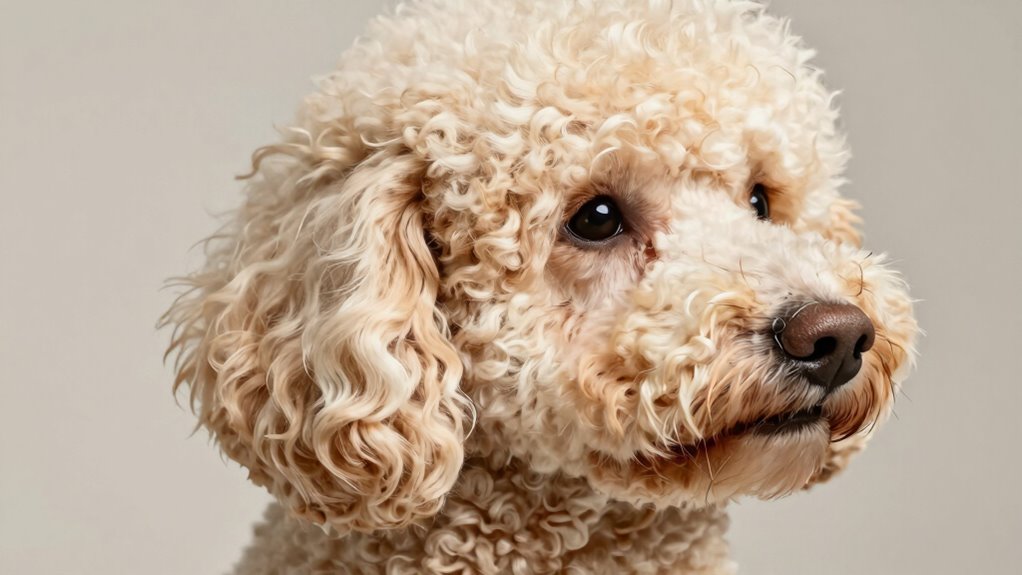
One in five Americans suffers from pet allergies, yet many turn to Poodles in search of relief. We are aware of their reputation: low shedding, curly coats, minimal dander. These traits matter. Poodles trap allergens instead of releasing them into your home. We’ll show you how coat structure, grooming frequency, and individual sensitivity shape real-world results. Your next decision depends on facts, not myths.
Key Takeaways
- Poodles are considered hypoallergenic due to their low-shedding, curly coats that trap dander effectively.
- No dog is completely allergy-proof, as allergens come from dander, saliva, and urine, not just shedding.
- Individual allergic reactions vary, so spending time with a Poodle before adoption is essential.
- Regular grooming—brushing 3 times weekly and bathing every 3–4 weeks—helps minimize allergen spread.
- A 2011 study found no significant difference in allergen levels between hypoallergenic and non-hypoallergenic breeds.
Understanding the Myth of Hypoallergenic Dogs
While no dog breed is truly allergy-proof, we can still make informed choices that reduce the risk of allergic reactions—especially when we comprehend what “hypoallergenic” really means.
We see the term tossed around, often linked to Poodles and other so-called hypoallergenic dog breeds, but it doesn’t mean allergen-free. In fact, allergens come mostly from dander, saliva, and urine—all of which every dog produces.
Poodles have low-shedding curly coats that trap dander, possibly limiting its spread. Yet, they still release allergens. A 2011 study confirmed it: allergen levels show no significant difference between hypoallergenic and non-hypoallergenic breeds.
Our reactions? They’re deeply personal. One person might experience sneezing, itchy eyes, or worse—clear allergy symptoms—around a Poodle, while another feels nothing. Just as some dogs may experience rare allergic reactions to certain supplements, individual sensitivity to allergens varies considerably from person to person.
That’s why we must be proactive: consult an allergist, spend time with the breed, observe our responses. We’re not chasing perfection. We’re seeking smart, honest strategies tailored to our bodies.
Trust science, but trust your experience more.
What Makes Poodles Different for Allergy Sufferers
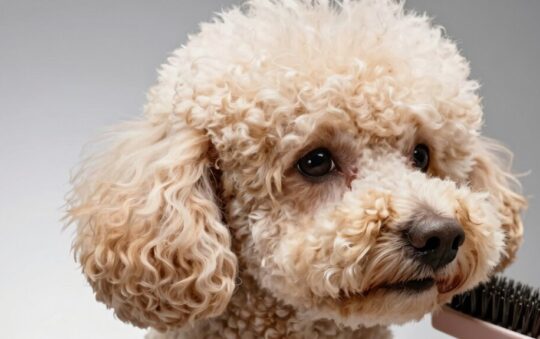
One key reason Poodles stand out for allergy sufferers lies in their tightly curled, low-shedding coats—these dense spirals trap dander, the primary carrier of pet allergens, close to the skin and reduce the amount that escapes into the air.
It’s understood how much you want a dog without the sneezing, itchy eyes, or worse—so here’s what makes Poodles different:
- They’re widely considered hypoallergenic due to minimal shedding and dander control, though no dog is 100% allergen-free.
- Their low shedding coat requires regular grooming—brushing 3 times a week, bathing every 3–4 weeks—to manage allergens without stripping natural oils.
- If you’re an allergy sufferer, spending time with a Poodle before adopting is essential; individual reactions vary, even with hypoallergenic breeds.
- Supplements containing omega-3 fatty acids may further support coat health and reduce shedding, providing additional relief for those sensitive to allergens.
We’re not promising miracles, but Poodles offer real advantages.
Their coat structure, consistent care routine, and reduced allergen dispersal make them a top choice.
You’ll still need to vacuum, wash bedding, and monitor symptoms—but with a Poodle, you’re giving yourself the best possible shot at a life with less itching and more cuddles.
Comparing Poodle Sizes and Allergen Levels
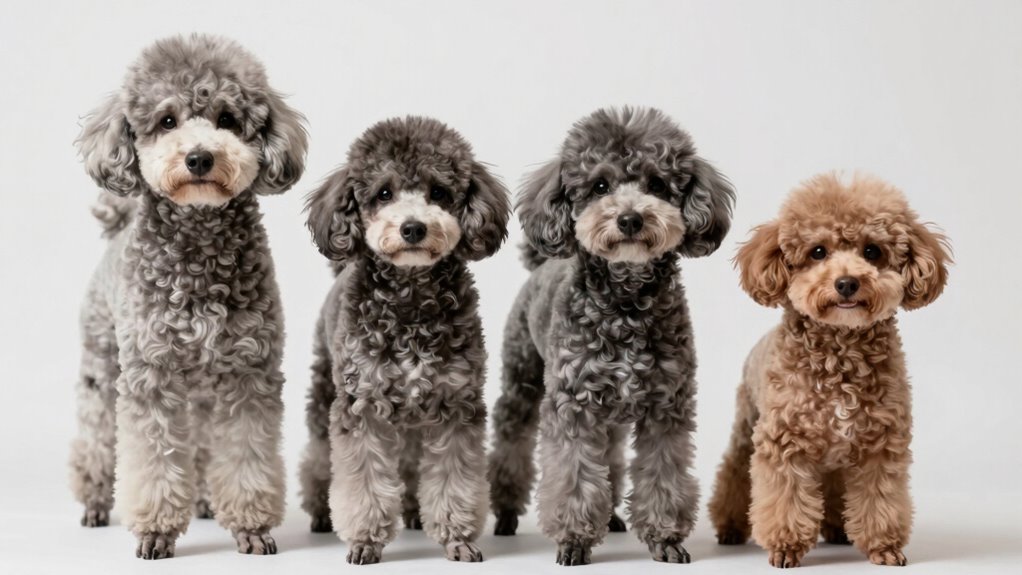
Since all Poodles share the same low-shedding, curly coat that traps dander effectively, we can confidently say size doesn’t override their hypoallergenic reputation—but it can influence allergen exposure in subtle ways.
When we consider Poodle sizes—Standard, Miniature, and Toy—we’re looking at the same low-shedding breed with nearly identical coat textures. The Standard, standing 15+ inches tall, carries more coat volume, which might hold slightly more dander. The Miniature (10–15 inches) balances size and manageability. The Toy (under 10 inches) has less coat surface, possibly reducing allergen load.
Still, research shows minimal differences in allergen levels across sizes. For those managing dog allergies, personal sensitivity matters more than size alone. We can’t predict how your body will react—some find relief with smaller Poodles; others tolerate Standards just fine. Just as pet parents benefit from checking labels for a single main ingredient when selecting treats for dogs with sensitivities, understanding your own allergic response requires careful observation and testing.
Because individual responses vary, we encourage you to spend time with each size. Let your own reactions guide you. After all, the right match isn’t just about inches or weight—it’s about comfort, connection, and breathing easy together.
Managing Allergies With Proper Grooming and Care
Keeping allergens in check starts with consistent care, and we’ve got the routine down. When you live with allergies, managing your dog’s grooming isn’t optional—it’s essential. We’ve learned that staying on top of it keeps both us and our poodle feeling safe and comfortable.
The key lies in a few precise, doable steps that make a real difference in reducing allergens in our home.
- Brush and bathe your dog every 3–4 days—this regular grooming traps loose hair and skin flakes before they spread.
- Wipe your poodle down with allergen-removing wet wipes between baths to cut down on dander transfer to furniture and clothes.
- Wash bedding weekly and vacuum with a HEPA filter to clean the air and surfaces where allergens hide.
We also keep our bedroom a dog-free zone, giving us a clean haven. For poodle grooming, soft or rubbery bristles on brushes are essential to prevent skin irritation while effectively removing loose hair that carries allergens. With this rhythm, our allergies stay under control—and our love for our poodle never has to take a backseat.
Other Low-Shedding Breeds for Sensitive Individuals

While we can’t eliminate allergens entirely, we can choose breeds that make living with sensitivities far more manageable. If you’re addressing allergy challenges, low-shedding breeds offer real relief.
These dogs release less dog hair into your space, which means fewer trapped allergens like dander and saliva. We’ve found several breeds that consistently help sensitive individuals enjoy canine companionship without compromise.
The Bichon Frise, with its curly, non-shedding coat, is a favorite. Labradoodles, bred for minimal shedding, combine intelligence with soft, fleece-like coats. The Coton de Tulear’s cottony coat sheds almost nothing.
Portuguese Water Dogs have a single, low-shedding coat and thrive in active homes. Italian Greyhounds are sleek, nearly odorless, and require little grooming. The Maltese, though small, boasts long, silky hair that sheds very little—ideal for allergy sufferers.
While no breed is 100% hypoallergenic, these options notably reduce exposure. Their coat types and grooming needs mean less dog hair—and fewer allergens—around your home. Regular inspections and maintenance of your living space, similar to how regular toy inspections prevent buildup of irritants, can further minimize allergen exposure. We trust them, and so can you.
How to Test Your Reaction Before Bringing a Poodle Home
How do we determine if a Poodle is truly right for your home when allergies are a concern? We take real steps to test reactions before commitment, because even hypoallergenic Poodles can trigger sensitivities depending on coat types and individual allergens. We understand managing allergies isn’t just about breed—it’s about your body’s response.
Here’s how we do it:
- Spend 15–20 minutes petting and playing with an adult Poodle, focusing on face, coat, and paws to check for sneezing, itching, or congestion.
- Schedule 2–3 visits over separate days—this catches delayed or cumulative reactions that don’t show up the first time.
- Rub a cloth on an adult Poodle’s coat and carry it in your pocket for a few hours; if symptoms flare, you’re detecting dander or saliva sensitivities early.
We always recommend consulting an allergy specialist if reactions are uncertain. Understanding your limits helps us find a match that fits—not just in temperament, but in health and harmony.
Frequently Asked Questions
What Is the Most Hypoallergenic Dog?
we’ve found the most hypoallergenic dog varies for each of us, but best hypoallergenic breeds like poodles often help reduce dog allergy symptoms. we swear by consistent pet grooming tips to keep our homes—and hearts—more comfortable.
Are There Any Truly 100% Non-Shedding Dogs?
we’ve learned there aren’t any truly 100% non shedding breeds, and while we love poodles, their grooming requirements matter just as much as allergy triggers—since dander and saliva still affect us, even in low-shedding dogs we thought were safest.
Can I Have a Poodle if I’m Allergic to Dogs?
we can have a poodle if we’re allergic, but we must watch for dog allergy symptoms. we use poodle grooming tips and allergy management strategies daily to stay close, safe, and happy together—love means adapting, together.
Do Poodles Have a Lot of Dander?
It is understood poodles don’t have a lot of dander, but they still produce some. We manage dander reduction together through consistent poodle grooming, helping ease your allergy symptoms and keep your bond strong. We’ve got this.
Conclusion
We’ve walked you through the facts, and here’s the truth: poodles aren’t magic, but they’re close—like a sealed vault for allergens, locking dander in their tight, 1–2 inch curly coats. No dog is 100% allergen-free, but with weekly brushing, monthly trims, and frequent vacuuming, we cut exposure dramatically. Size doesn’t change shed levels—standard, miniature, and toy all share the same coat genetics. We test first, we groom consistently, and we thrive together.