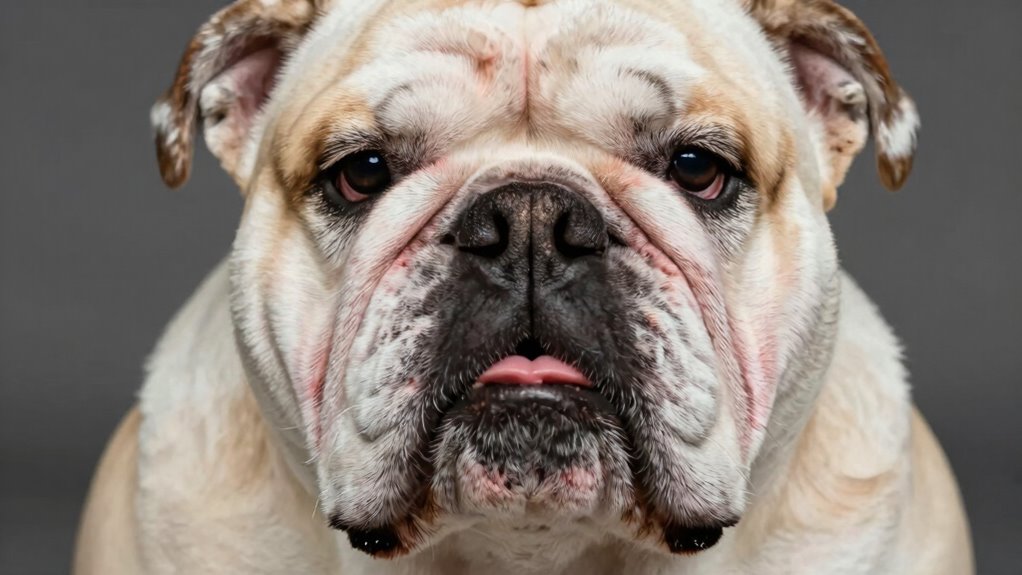
Like a house built on sand, the English Bulldog’s sturdy frame hides a fragile genetic foundation. We see the signs everywhere: 88% share identical DNA, breeding too close, too often. That means brachycephalic airway syndrome, skin infections in deep folds, cherry eye, misaligned jaws, and brittle joints. Heart issues, hearing loss, spinal defects — they’re not rare. They’re routine. And life? Often cut short by preventable suffering. We can’t look away — not when change starts with understanding what’s really beneath the surface.
Key Takeaways
- English Bulldogs almost universally suffer from Brachycephalic Obstructive Airway Syndrome (BOAS) due to inherited skull conformation.
- They have a high genetic predisposition to stenotic nares and elongated soft palates, causing lifelong breathing difficulties.
- The breed is prone to congenital heart defects like pulmonary stenosis, linked to inherited vascular abnormalities.
- Chondrodysplasia is common, causing abnormal joint and spinal development due to genetic cartilage defects.
- Extremely limited genetic diversity—88% shared DNA—increases risk of inherited disorders across the breed.
Brachycephalic Obstructive Airway Syndrome (BOAS)
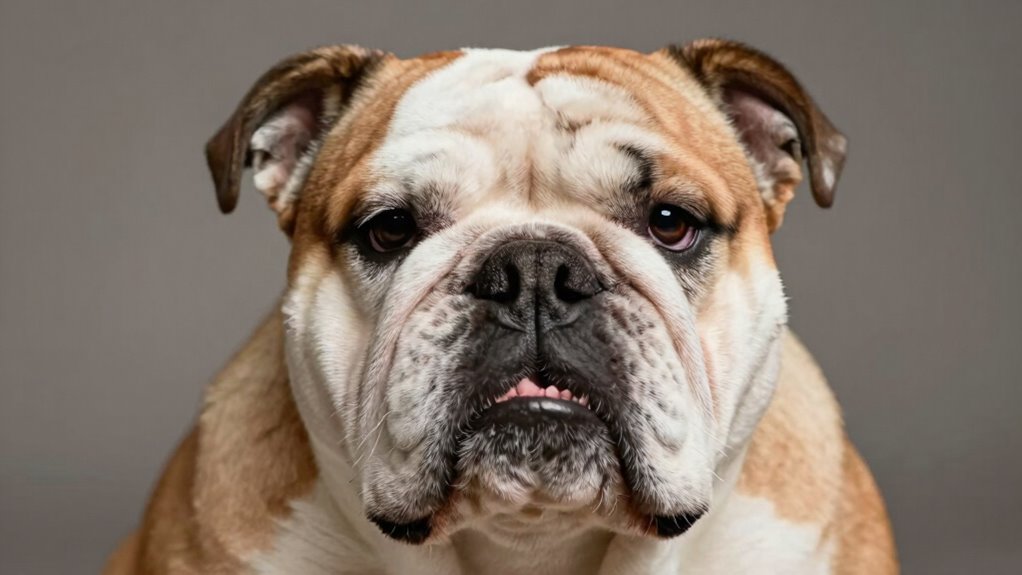
While we can’t change the genetics that shape the English Bulldog, we can understand how deeply Brachycephalic Obstructive Airway Syndrome (BOAS) affects them. BOAS is a common breed-related disease, impacting nearly all English Bulldogs to some degree.
We observe it in their snoring, their panting, their struggle to breathe easily. Up to 96–100% have an elongated soft palate; 46–50% suffer from stenotic nares—narrowed nostrils that restrict airflow. These issues cause respiratory difficulties starting often before one year old. By age 3–4, many need help.
Left unmanaged, BOAS degrades quality of life fast—exercise intolerance, sleep disruptions, and sudden distress become routine. We can’t reverse tracheal hypoplasia, but surgical interventions improve airflow. Widening stenotic nares and shortening the elongated soft palate reduce symptoms.
Still, health outcomes depend on early action. We recognize the risks. We see the signs. And with thoughtful care, we can ease their breath and support their well-being—one quiet inhalation at a time. Regular grooming and monitoring of your bulldog’s overall condition helps you detect respiratory changes early and maintain their comfort.
Skin Fold Dermatitis and Chronic Skin Infections
Because their wrinkled faces and deep skin folds create the perfect breeding ground for irritation and infection, we keep a close eye on our English Bulldogs‘ skin health.
These adorable facial folds trap moisture, letting bacteria and yeast thrive—leading to skin fold dermatitis. English Bulldogs face a whopping 38.12 times higher odds of this condition than other breeds.
Without daily cleaning, debris builds up fast, sparking chronic skin infections like eczema or painful bacterial overgrowth. We wipe the folds gently with vet-approved wipes at least once a day, every day. It’s non-negotiable for proactive skin health.
Left unchecked, these infections cause real discomfort and drag down your dog’s quality of life. Hot spots, interdigital cysts, and recurring flare-ups aren’t just frustrating—they’re preventable.
We stay ahead with consistent care, dry folds after meals, and routine vet checks. Catching early signs—redness, odor, swelling—stops minor irritation from becoming serious infections. Regular chewing activities can support overall skin health by stimulating saliva production, which helps fight bacterial overgrowth.
Loving an English Bulldog means embracing the extra work. But that small daily effort makes all the difference in keeping them happy, healthy, and comfortable.
Cherry Eye and Other Ophthalmological Disorders
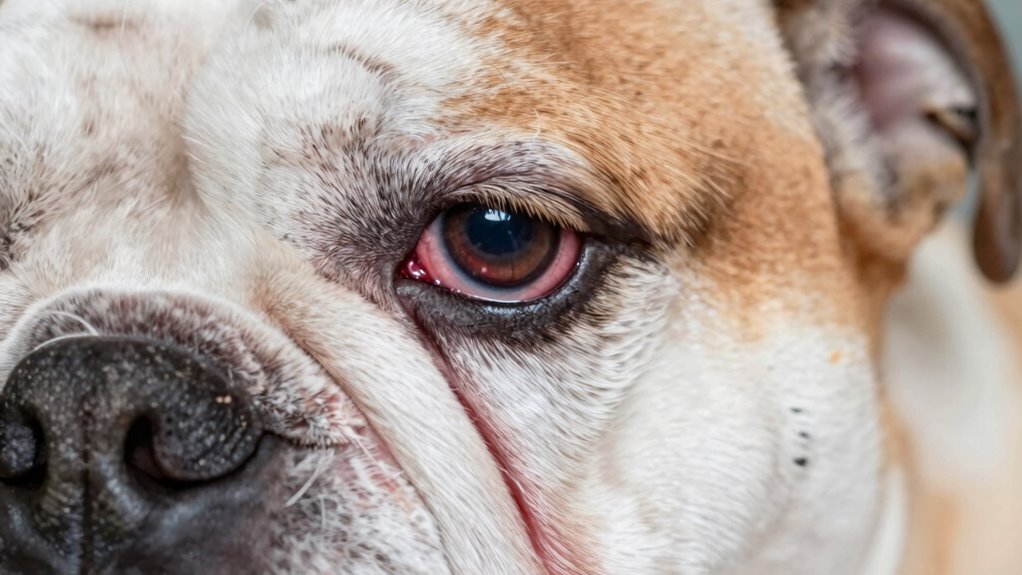
We keep a close watch on our English Bulldogs’ faces, and just as their skin folds demand daily attention, so do their eyes. Their brachycephalic features leave them prone to ophthalmological disorders like few other breeds. Cherry eye, where the nictitating membrane prolapses, affects English Bulldogs at 26.79 times the odds of other breeds. Entropion rolls the eyelids inward, often affecting both eyes, causing irritation and possible corneal ulcers. We also see frequent conjunctivitis and keratoconjunctivitis sicca (dry eye), leading to discomfort and long-term damage. Without regular veterinary check-ups, these issues escalate quickly. During treatment and recovery periods, maintaining proper nutrition and appetite is essential, so some owners find that flavor sprays designed for dogs can help ensure their bulldog continues eating well while managing discomfort.
| Condition | Key Sign | Frequency in Bulldogs |
|---|---|---|
| Cherry eye | Red bulge in corner of eye | Very high |
| Entropion | Inward-rolling eyelids | Common |
| Keratoconjunctivitis sicca | Dry, irritated eyes | Elevated |
We monitor discharge, squinting, or redness daily. Their eyes, so expressive and vulnerable, need our vigilance. Early detection means quicker relief. We never wait—it’s how we protect their sight and comfort.
Mandibular Prognathism and Dental Abnormalities
Though their undershot bite is part of the breed standard, mandibular prognathism in English Bulldogs often goes beyond aesthetics, creating real dental challenges.
We see it often—this form of mandibular prognathism means the lower jaw protrudes markedly, causing misalignment that’s 24.32 times more likely in our pups than other breeds. That’s not just a number; it’s a reality that leads to dental problems like overcrowding, abnormal wear, and chewing difficulties.
Misalignment traps food and bacteria, raising the risk of periodontal disease, one of the most common health issues we manage. In our experience, dental abnormalities like these don’t just affect comfort—they impact overall well-being. Supporting dental health through proper nutrition, including minerals like calcium and phosphorus, can help strengthen teeth and reduce tartar buildup.
That’s why we stress proactive care: daily oral hygiene, teeth brushing, and regular vet check-ups are non-negotiable. Catching issues early helps prevent pain and costly treatments down the road.
We’re in this together—loving our English Bulldogs means protecting their health with informed, consistent effort. Prevention is always better than intervention.
Congenital Joint and Spinal Defects (Chondrodysplasia)
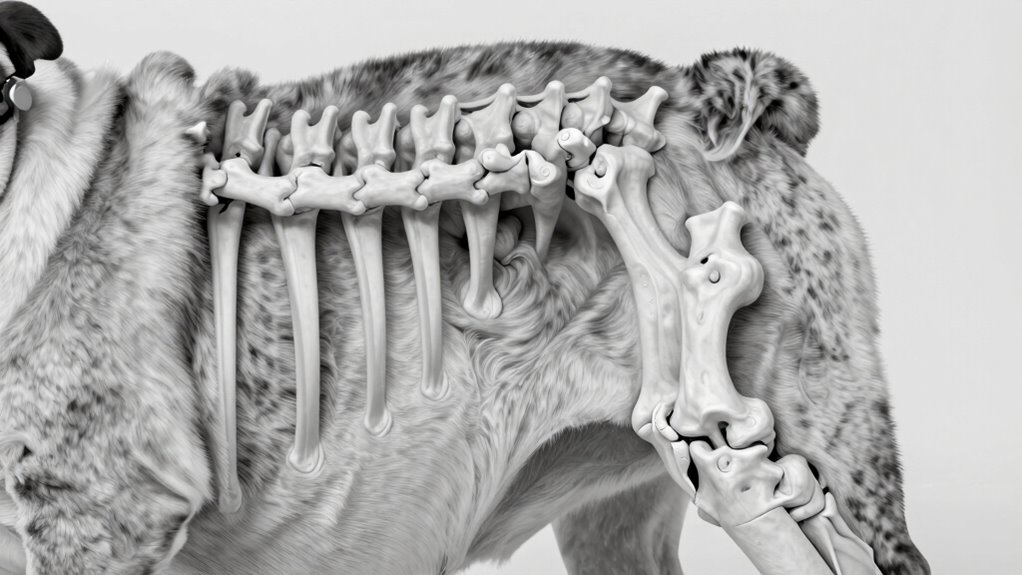
When it comes to the skeletal health of English Bulldogs, chondrodysplasia isn’t just a background concern—it’s a central challenge rooted in the breed’s very makeup. This genetic condition causes abnormal cartilage development, leading to congenital defects like joint defects and spinal deformities.
We see it in their compact legs, their lowered gait, the way they sometimes hesitate on stairs. Selective breeding for extreme traits has deepened the risk, making issues like hip dysplasia far too common. Mobility issues can begin young, so we don’t wait—we act.
Here’s what chondrodysplasia often looks like:
- Stunted, bowed limbs that make walking look effortful
- A swayed back straining under uneven weight
- Hips that pop or lock due to malformed joints
- Reluctance to jump or rise after resting
Regular veterinary care changes outcomes. Early check-ups catch joint pain before it deepens. Supportive devices like dog boots can enhance stability and grip on various surfaces, helping affected dogs maintain confidence during movement. We monitor closely, adjust care proactively, and prioritize comfort.
For our English Bulldogs, this isn’t just treatment—it’s daily love in action.
High Risk of Cleft Palate and Birth-Related Defects
What does it take for a puppy to thrive from day one? For us, it’s starting with a healthy start—yet too many English bulldog pups face cleft palate and other congenital defects right away.
We see it often: a cleft palate, an opening in the roof of the mouth, leads to serious feeding difficulties. Milk can enter the nose, causing choking or aspiration pneumonia. This isn’t rare—it’s tied to decades of selective breeding that prioritized looks over function.
These birth-related health issues include flat chests, splayed legs, and breathing troubles. When a pup can’t nurse, we intervene fast—feeding tubes, even surgical intervention may be needed.
We’ve knowledge of breeders who stay vigilant, screening parents and supporting the health and welfare of each litter. Still, because of limited genetic diversity, risks remain high.
We’re not helpless. With better breeding practices, we can reduce these defects. We owe it to these sweet, squish-faced pups to give them a real chance. Solid structure, not just charm, must come first.
Limited Genetic Diversity and Inbreeding Concerns
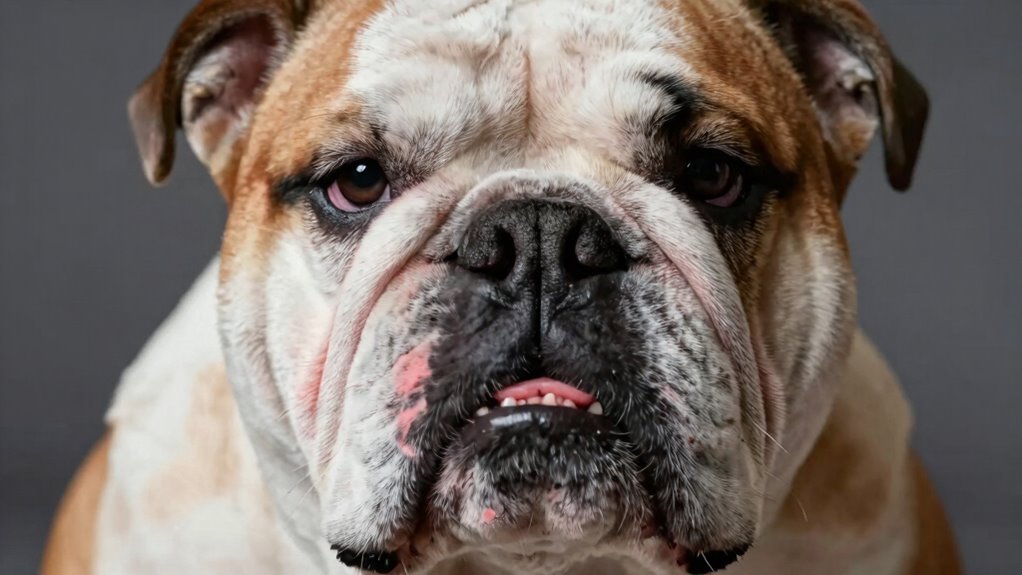
Because the English bulldog’s gene pool has shrunk over generations, we face a breeding crisis rooted in biology we can no longer ignore.
Our love for the breed has led to limited genetic diversity, making inbreeding concerns impossible to overlook. We’ve prioritized exaggerated physical traits—wrinkled faces, stocky frames, pushed-in noses—over health, and now pay the price.
Genetic abnormalities pile up, with congenital diseases striking more than twice as often as in other dogs. Brachycephalic airway obstructive syndrome isn’t rare—it’s universal in English Bulldogs, affecting every breath they take.
Breed standards still reward this suffering, putting appearance before overall well-being. We must rethink what we’re passing on.
- A tight gene pool where all bulldogs share 88% of their DNA
- Puppies born with genetic flaws already written into their cells
- Narrow airways, swollen tissue, and lifelong breathing struggles
- Show rings that prize flat faces while dogs gasp for air
Health issues aren’t accidents—they’re outcomes.
Predisposition to Ear Infections and Hearing Issues
We’re facing another consequence of the bulldog’s compromised genetics, one that builds on the inbreeding issues we’ve already seen: ear infections and hearing problems are common, persistent, and often tied directly to the breed’s structure.
English Bulldogs have a clear predisposition to disease, especially otitis externa— inflammation of the outer ear. Their brachycephalic conformation contributes to narrow, oddly shaped ear canals, reducing airflow and trapping moisture.
Add in deep skin folds near the ears, and you’ve got a perfect breeding ground for bacteria and yeast. These factors lead to chronic ear problems that won’t just go away on their own. Without regular cleaning and close monitoring, minor irritations become serious infections.
Left untreated, they can result in permanent hearing issues. We’ve seen it too often—discomfort, head shaking, even balance troubles. That’s why proactive care is non-negotiable.
Weekly ear checks, gentle cleansers, and prompt veterinary intervention when redness or odor appears make all the difference. Loving your Bulldog means protecting their ears, too.
Heart Conditions and Cardiovascular Vulnerabilities
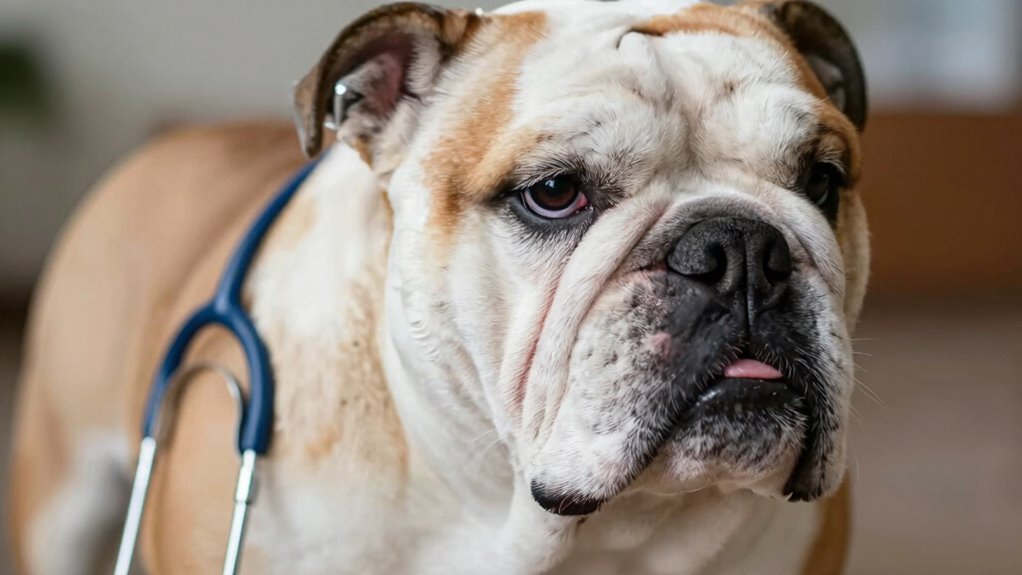
While their compact build and wrinkled charm may win hearts, English Bulldogs carry hidden risks beneath the surface—especially when it comes to their cardiovascular health.
We need to talk openly about the heart conditions silently affecting our beloved companions. As brachycephalic breeds, English Bulldogs often face compromised oxygenation, making every breath a little harder. This, combined with genetic health issues like pulmonary stenosis—a narrowing of the heart’s pulmonary valve—can strain their entire system by age 3 or 4.
Left unchecked, these cardiovascular problems can chip away at their quality of life.
We can’t change genetics, but we *can* act. Here’s what to envision:
- A stethoscope gently pressed to your Bulldog’s chest during quiet, focused regular veterinary check-ups.
- An echocardiogram revealing the subtle tug of a thickened valve—early signs of pulmonary stenosis.
- A dog breathing just a little easier because you caught symptoms before heart failure progressed.
- More wagging days, more shared moments, all because we stayed ahead of the risk.
Stay vigilant. Their heart depends on it.
Reduced Lifespan and Chronic Health Complications
English Bulldogs face a harsh reality: their lives are shorter and often burdened by ongoing health struggles. Our breed’s median lifespan is just 8.4 years, far below many other dogs. This shortened lifespan stems from deep-rooted genetic predispositions.
We’re more than twice as likely to face health problems, with 55.8% of common disorders showing higher risk. Alarmingly, the average age in health studies is only 2.7 years—proof that chronic health complications strike early.
Brachycephalic Airway Syndrome (BOAS) is a leading issue, causing severe respiratory compromise. Narrow nostrils, elongated soft palates, and narrowed tracheas restrict airflow. This structural flaw isn’t rare—it’s nearly universal.
Decades of selective breeding for flat faces and compact bodies have also led to congenital defects like flat chests and splayed legs, worsening internal strain.
These aren’t isolated issues. They’re interconnected chronic health complications that erode quality of life. While we love our distinctive looks, we must acknowledge the cost.
Responsible breeding, early screening, and owner awareness are key to improving outcomes.
Frequently Asked Questions
What Is the Leading Cause of Death in English Bulldogs?
we lose most english bulldogs to respiratory issues, cutting their lifespan short. our babies face genetic disorders, obesity concerns, skin problems, hip dysplasia, eye conditions—all worsened by breeding practices that don’t always protect their fragile health.
What Is the English Bulldog Syndrome?
We’re tangled in a web of English bulldog syndrome—it’s the knot of breed-specific conditions like respiratory problems, skin issues, hip dysplasia, eye disorders, heart disease, obesity risks, and poor breeding practices rooted in flawed genetics.
What Illness Are Bulldogs Prone To?
We understand your bulldog’s prone to respiratory issues and heat sensitivity, plus joint problems, skin infections, and bulldog allergies. We see the risks of hip dysplasia, eye disorders, heart disease, and obesity—we’re here, caring deeply, every step, every breath, every worry you hold close to your heart.
Is It Possible to Have a Healthy English Bulldog?
We’ll let you in on a little secret: yes, we *can* have a healthy English Bulldog—if we skip the drama of flat-faced fashion statements and actually commit to healthy breeding practices, genetic testing, proper nutrition, regular exercise, weight management, veterinary check ups, responsible ownership, temperament training, and environmental enrichment. No miracles—just work.
Conclusion
We’ve seen how 88% of English bulldogs share identical DNA, like clones in a genetic echo chamber. One bulldog, Caesar, needed three surgeries by age two—his airway, eyes, and joints all compromised. We understand these traits: BOAS, chondrodysplasia, skin folds trapping moisture at 98.6°F. We prioritize health testing, outcrossing, and vet care. We choose breath over brachy, function over form. We act—because they can’t. Responsible breeding isn’t optional. It’s essential.