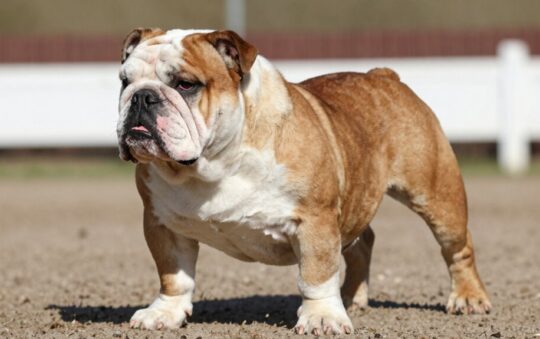
We’ve seen English bulldogs thrive past 10 years with the right care, though their average lifespan ranges from 8 to 10. They’re prone to breathing issues, skin infections, and weight gain—but proactive steps make a measurable difference. A 50/50 indoor-outdoor lifestyle, monitored exercise, and a 26% protein, low-grain diet set them up for success. We’ll show you how small changes add up to extra years.
Key Takeaways
- English Bulldogs typically live 8 to 10 years, but proper care can extend their lifespan beyond the average.
- Managing weight through portion control and balanced nutrition helps prevent obesity-related health issues and prolongs life.
- Daily cleaning of skin folds prevents infections and reduces discomfort linked to dermatitis and moisture buildup.
- Regular, moderate exercise in cool conditions supports joint health and eases brachycephalic breathing difficulties.
- Routine veterinary checkups every 6–12 months enable early detection and management of genetic and chronic health conditions.
Understanding the Average Lifespan of English Bulldogs

While we can’t control every factor that affects how long our English Bulldogs will be by our side, we can make a real difference in helping them live healthier, fuller lives. The average lifespan of English Bulldogs is 8 to 10 years, though proper care can extend lifespan beyond that with intentional effort.
It’s understood that genetics play a role, but we also have power over key factors like weight management, balanced diet, and routine veterinary care. These pups face predictable health concerns—Brachycephalic Obstructive Airway Syndrome and skin conditions top the list—so staying proactive is non-negotiable.
We monitor their weight closely; even 5 extra pounds strains their breathing and joints. We feed high-quality food with precise portions: 1.5 to 2 cups daily, split into two meals. Just as reinforced stitching and construction strengthens durability in demanding situations, consistent attention to our bulldogs’ nutritional needs reinforces their physical resilience.
We schedule vet visits every six months, not just annually, because early detection changes outcomes. We clean skin folds weekly to prevent infections.
When we commit to these steps, we aren’t just managing symptoms—we’re building a longer, richer life together. We’ve seen it happen. And we believe we can do it again.
Key Health Challenges That Impact Lifespan
We recognize our English Bulldogs bring big love in a compact frame, and we also recognize their health directly shapes how many years we get to share with them. The typical English Bulldog lifespan ranges from 8 to 10 years, often shortened by preventable or manageable health issues.
Brachycephalic Obstructive Airway Syndrome affects breathing, while skin fold pyoderma—caused by trapped moisture in wrinkles—can lead to painful infections. Hip dysplasia is common, causing joint pain and reduced mobility. Obesity is a major concern, as even moderate weight gain worsens BOAS and joint stress. Anti-inflammatory treats containing glucosamine and chondroitin can help support cartilage and cushion joints, easing discomfort from hip dysplasia as part of a comprehensive wellness approach.
We can protect their well-being with disciplined routines: daily exercise tailored to their limits, portion-controlled diets, and consistent cleaning of skin folds. Regular veterinary check-ups catch problems early—like monitoring hip development or adjusting nutrition before issues escalate.
We’re not just caregivers; we’re proactive advocates. Small, consistent choices dramatically influence longevity. By managing these challenges with care, we help our Bulldogs live fuller, more comfortable lives.
Managing Brachycephalic Obstructive Airway Syndrome (BOAS)

Because their flat faces restrict airflow, English Bulldogs often struggle with Brachycephalic Obstructive Airway Syndrome (BOAS), a condition we can manage with proactive care.
BOAS is a Brachycephalic Obstructive Airway Syndrome that impacts breathing, especially in warm weather or after light activity. If you’ve noticed your Bulldog snoring heavily, panting excessively, or tiring easily, these are signs of compromised airway function.
We must prioritize their health by maintaining an ideal weight—every extra pound worsens Obstructive symptoms. Overweight Bulldogs face higher risks during heat exposure and exertion. Additionally, maintaining healthy teeth through regular dental care can reduce systemic inflammation that may complicate respiratory issues.
Veterinary evaluations are essential; we recommend screenings by age two, even if symptoms seem mild. Early detection allows for timely interventions, like soft palate resection or nostril widening surgery, which can notably improve airflow.
We monitor breathing patterns closely and limit exercise in hot weather. With consistent veterinary oversight, weight control, and smart lifestyle choices, we can ease the burden of BOAS.
Together, we’re giving our Bulldog a better, more comfortable life—one full, easy breath at a time.
Preventing and Treating Skin Fold Infections
English Bulldogs carry their charm in every wrinkle, but those adorable skin folds demand consistent care to stay healthy.
We clean our dog’s skin folds daily with medicated wipes to prevent infections, removing trapped moisture and debris that fuel bacterial growth. After cleaning, we make certain the folds are completely dry—dampness left behind invites skin infections like Skin Fold Pyoderma.
We monitor for signs like redness, swelling, or odor, and call our vet at the first concern. Keeping our dog at a healthy weight is vital; excess weight deepens folds, increases friction, and traps more moisture.
We manage the weight of your dog through portion control and daily activity. Regular grooming with gentle bristle brushes also helps reduce dirt and debris trapped in skin folds, which can contribute to irritation and infection. When needed, we apply a vet-approved topical treatment to soothe irritation and stop recurrence.
Together, these steps keep those sweet creases safe and infection-free. We prevent infections not by chance—but by choice, daily. Consistent care means fewer vet visits and a happier, healthier companion.
The Role of Nutrition in Promoting Longevity

While nutrition might seem like just one piece of the puzzle, it’s actually a cornerstone of how long and how well our English Bulldog thrives. Proper nutrition directly influences their lifespan, especially since English Bulldogs are prone to obesity—a condition that strains their heart, joints, and overall health.
We keep them at a healthy weight by providing a balanced diet with 20 to 70 calories per pound of body weight daily, adjusting portions based on age, activity, and vet guidance. We treat with care, ensuring treats stay under 10% of their total calorie intake. Consulting our veterinarian helps us tailor meals to their unique needs.
We also add supplements like Salmon Oil, which supports their skin and coat—vital for preventing common skin issues. The omega-3 fatty acids in salmon oil work to reduce inflammation and improve skin hydration, promoting healthier skin and fur. Every bite matters. Together, we’re not just feeding them; we’re fueling longer, healthier lives. Nutrition isn’t just about food—it’s about commitment, consistency, and love served daily.
Maintaining a Healthy Weight to Support Joint and Heart Health
When we keep our Bulldogs at a healthy weight, we’re not just managing the scale—we’re protecting their joints and supporting their heart health every single day.
For English Bulldogs, maintaining a healthy weight is essential to avoid obesity, which can worsen joint health and strain their heart health. Most adults should weigh between 20 to 25 kg, and achieving this starts with a balanced diet using portion control and a vet-recommended diet.
We keep their calorie intake in check—typically 20 to 70 calories per pound daily—so they get energy without excess. Daily exercise, like short walks, helps too, but food choices make the biggest difference.
- Stick to a vet-recommended diet tailored to your Bulldog’s age, size, and activity level
- Limit treats to no more than 10% of daily calorie intake to prevent sneaky weight gain
- Use portion control and measure food at every meal—consistency prevents obesity
We’ve got this. Small choices add up to longer, healthier years together.
Establishing a Safe and Effective Exercise Routine
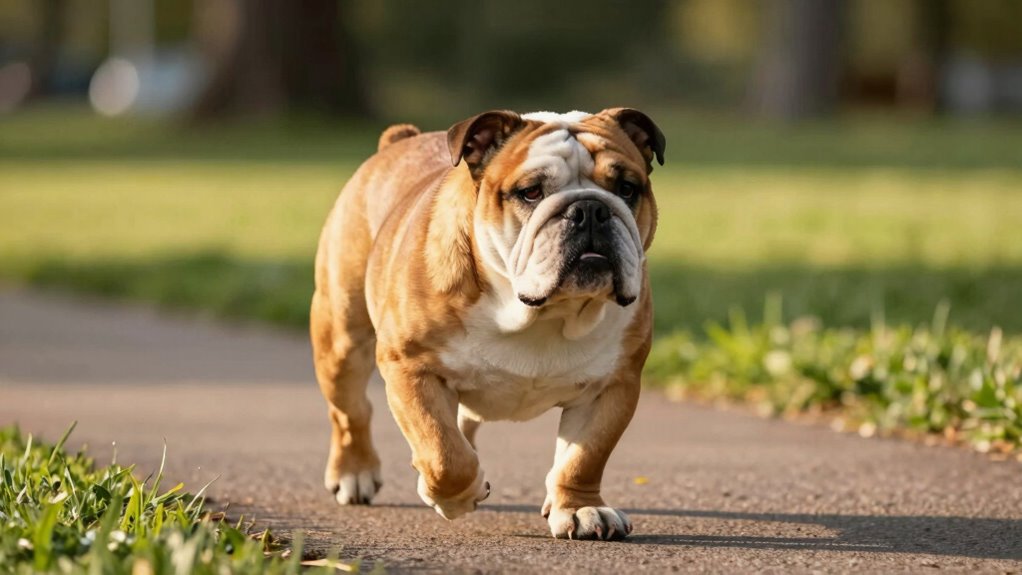
We’ve got their diet under control, and now it’s time to get moving—because exercise is just as much a part of the plan for keeping our Bulldogs healthy and strong. English Bulldogs need 30–40 minutes of moderate exercise daily, but because they’re a brachycephalic breed, we must keep things safe. We avoid long, intense sessions and instead opt for short daily walks during the cooler parts of the day to prevent them from overheating.
We protect their airway by using a harness, not a collar. And we mix physical movement with mental stimulation—puzzle toys, scent games—to boost their overall well-being. Regular moderate exercise supports joint health and helps avoid mobility issues down the line.
Here’s how we structure our routine:
| Activity | Duration | Time of Day |
|---|---|---|
| Morning walk | 15 minutes | Early morning |
| Puzzle play | 10 minutes | Mid-morning |
| Evening walk | 15–20 minutes | Late evening |
This balanced exercise routine keeps our Bulldogs happy, safe, and thriving.
The Importance of Regular Veterinary Care and Early Detection
Because their unique anatomy makes them prone to specific health concerns, we stay ahead with consistent vet visits—every 6 to 12 months—to catch early signs before they become serious problems.
Regular veterinary care isn’t just routine; it’s a lifeline for our bulldogs, supporting their overall health and extending their lifespan. With early detection, we manage issues like Brachycephalic Obstructive Airway Syndrome before they escalate.
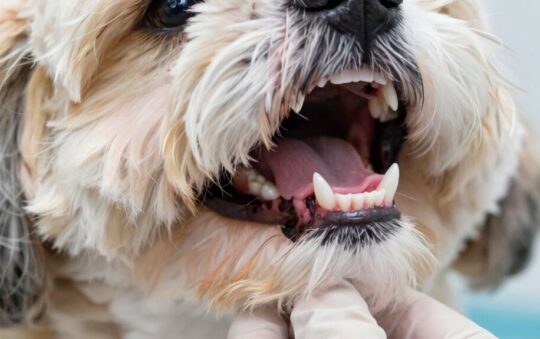
Preventive care, including vaccinations and flea control, shields them from avoidable illnesses. We also prioritize dental care, since tartar buildup can lead to bigger complications. During each visit, weight monitoring helps us adjust their balanced diet and exercise as needed.
- We track breathing patterns to catch BOAS early
- We schedule professional cleanings and brush at home for dental care
- We use vet visits to fine-tune nutrition and weight management
Every check-up strengthens our plan to keep them thriving. We don’t wait for symptoms—because timely action makes all the difference.
How Genetics Influence Health and Longevity
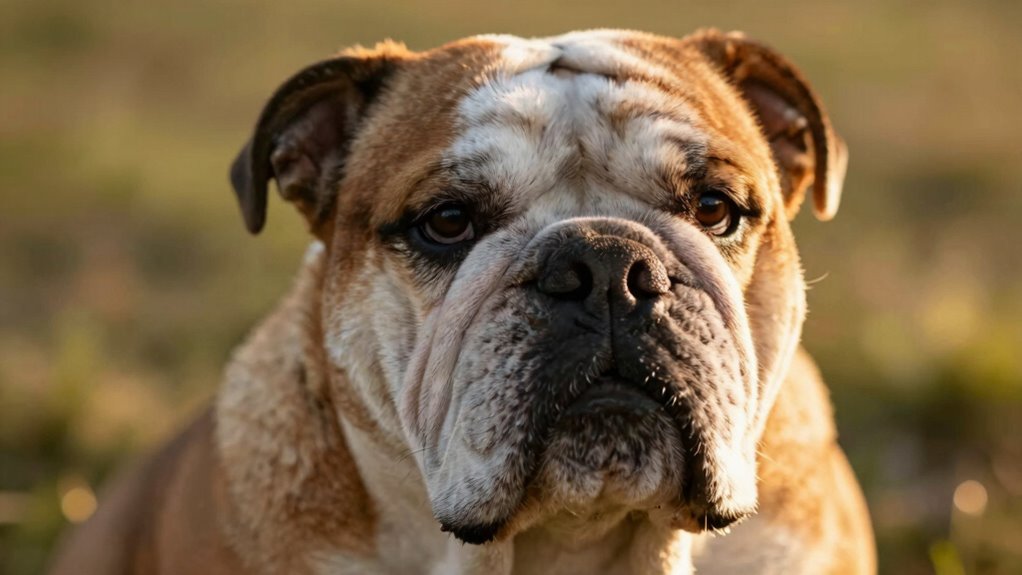
While we can’t change the blueprint, we can work with it—knowing that genetics shape much of our English Bulldog’s health and lifespan. These lovable pups typically live 8 to 10 years, but genetics heavily influence their longevity and risk for hereditary health issues like BOAS and skin disorders. Responsible breeders use genetic testing to reduce risks, giving us a better chance at raising healthier dogs. Obesity, often inherited, shortens lifespan, so diligent weight management improves both health and quality of life.
| Condition | Genetic Link | Management Strategy |
|---|---|---|
| BOAS | High | Surgical correction, climate control |
| Skin Fold Dermatitis | Moderate | Regular cleaning, drying |
| Hip Dysplasia | Moderate | Weight control, joint support |
| Cherry Eye | Moderate | Surgical treatment |
| Obesity | High | Calorie control, daily exercise |
We can’t rewrite DNA, but with awareness, genetic testing, and proactive care, we directly support our English Bulldogs’ health, longevity, and quality of life—giving them the best shot at a full, joyful life.
Supporting Your Bulldog’s Emotional Well-Being
When life moves fast, our English Bulldogs remind us to slow down and connect—these affectionate companions thrive on daily interaction, playful moments, and plenty of cuddles, all of which strengthen our bond and support their emotional health.
It’s understood that emotional companionship isn’t a luxury—it’s a necessity. To nurture their well-being, we create a stable environment with consistent routines to reduce anxiety, knowing predictability brings comfort.
We also build confidence through early socialization, introducing them to new people, pets, and settings in a controlled, positive way. Mental stimulation keeps their minds sharp and spirits calm.
- Rotate puzzle toys weekly to maintain novelty and challenge
- Schedule short, daily training sessions using praise and treats for positive interactions
- Prioritize regular interaction—just 20 minutes of focused play or cuddling strengthens trust
These habits provide structure, reduce stress, and deepen connection. Together, we foster not just longer lives, but joy-filled ones—where every tail wag reflects a sense of safety, love, and belonging.
Frequently Asked Questions
How to Make an English Bulldog Live Longer?
we help our english bulldog live longer by managing weight, adjusting diet, sticking to gentle exercise routines, and keeping up with grooming practices, dental care, temperature control, mental stimulation, social interaction, breed specific supplements, and regular vet visits—we’ve got his back every step of the way
What Is the Most Common Cause of Death for English Bulldogs?
we’ve found respiratory problems are the most common cause of death for english bulldogs. we watch for aging signs, manage obesity risks, prioritize dental care, and address health issues early. we tackle genetic factors, skin conditions, and heart diseases with preventive measures, tailored exercise needs, and consistent love.
Can a Bulldog Live 15 Years?
we’ve seen bulldogs live 15 years—yes, it’s possible. with keen attention to health factors, diet impact, and aging signs, we cherish each moment. we honor breed characteristics, meet exercise needs, and commit to veterinary care, genetic awareness, living conditions, and daily owner responsibilities.
What Is Considered Old for an English Bulldog?
we consider our english bulldog old by 7, when senior care kicks in. we watch for aging signs, adjust exercise needs and diet, prioritize dental health, and manage weight. we stay on top of health screenings, offer mental stimulation, and honor their breed characteristics and lifespan factors together.
Conclusion
We’ve walked beside bulldogs who’ve reached 12 years—like Daisy, who weighed 48 pounds, stayed active with daily 20-minute walks, and had BOAS surgery at age 3. She lived well because we caught issues early, fed her 1.5 cups of vet-approved kibble daily, cleaned her folds every other day, and never skipped check-ups. Small actions, done consistently, extend years. We do this not to chase time, but to give them full, bright lives—one predictable routine at a time.