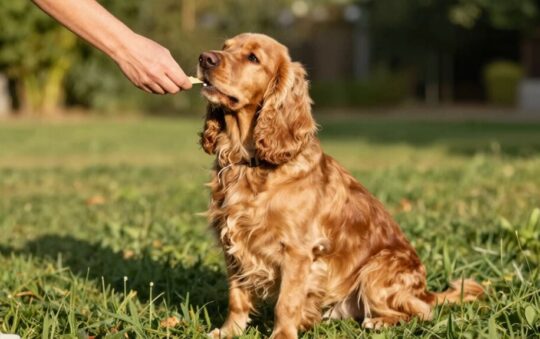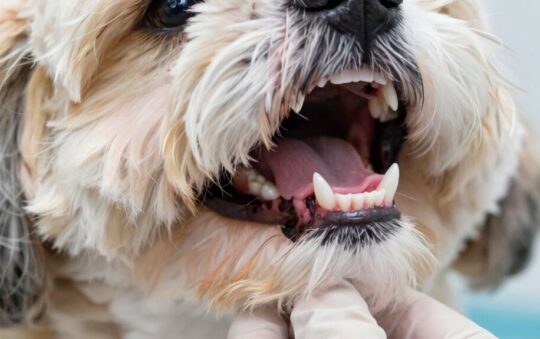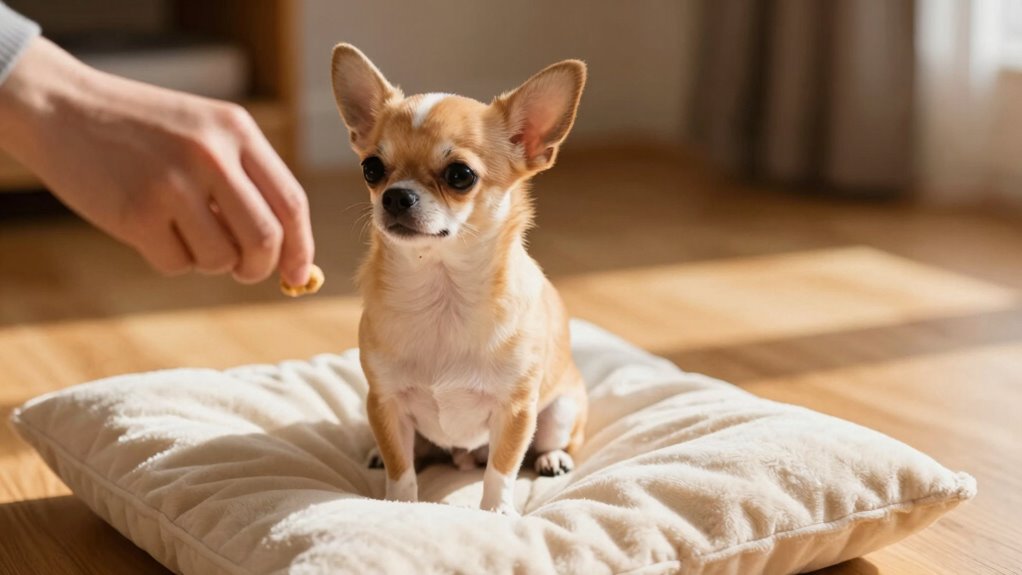
Training a Chihuahua can feel like trying to steer a tiny tornado with a mind of its very own. We’ve seen these 3- to 6-pound dynamos master commands in days—yet stubbornly ignore recall on command. Their sharp brains and bold personalities mean they learn quickly, but not always what we want. Success hinges on consistency, timing, and knowing when to adjust tactics. The real secret? It’s not obedience we’re after—it’s cooperation. And that changes everything.
Key Takeaways
- Chihuahuas are intelligent but strong-willed, requiring patience and consistency for successful training.
- Early socialization between 8–12 weeks is crucial to build confidence and reduce fearfulness.
- Positive reinforcement with timely treats and praise strengthens trust and encourages good behavior.
- Crate training and consistent routines help with house training and prevent separation anxiety.
- Short, frequent training sessions and daily mental/physical exercise keep Chihuahuas engaged and receptive.
Understanding the Chihuahua Temperament
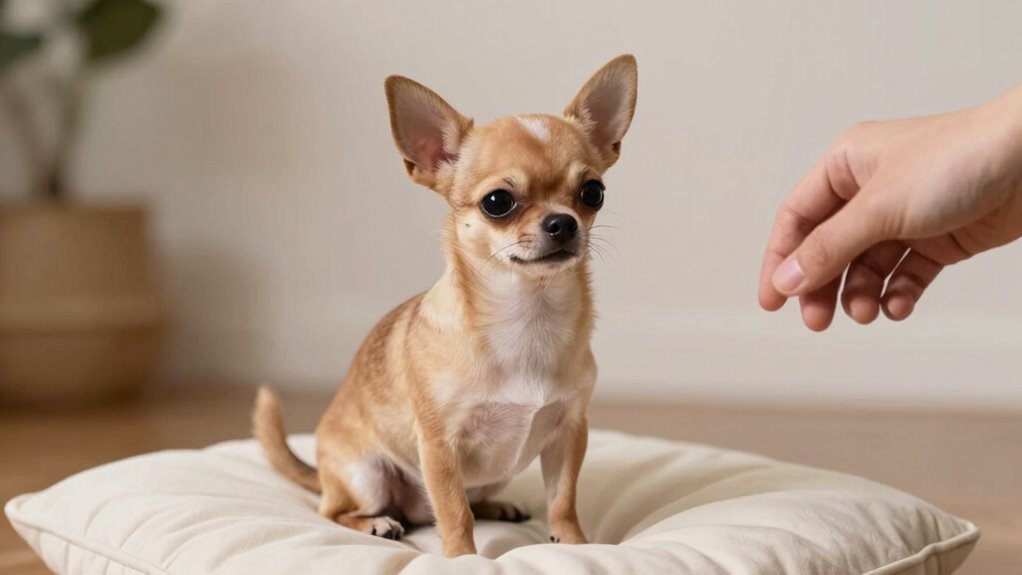
While their tiny size might suggest otherwise, Chihuahuas carry themselves with the attitude of a much larger dog, often unaware of their actual dimensions — sometimes standing only 6 to 9 inches tall but acting as if they rule the block.
We’ve come to realize that Chihuahuas are bold, confident, and fiercely loyal, forming deep bonds with us. But their small size doesn’t dilute their big-dog attitude. These small dogs can be strong-willed, making training a Chihuahua a test of patience and consistency.
We thrive when we comprehend their temperament: affectionate at home, yet wary of strangers and new environments. That wariness isn’t aggression—it’s instinct. When we perceive this, training becomes less about control and more about communication.
We use positive reinforcement, short sessions, and clear cues because they respond best to kindness and repetition. Understanding their temperament means recognizing their confidence, addressing their anxiety early, and setting boundaries before habits harden. Engaging them with appropriate toys and mental stimulation through interactive chew toys can also help redirect anxious energy constructively.
We don’t punish; we guide. With the right approach, training a Chihuahua isn’t just possible—it’s rewarding. We’ve seen it work, one tiny step at a time.
The Importance of Early Socialization
We set them up for success when we start socializing our Chihuahuas early, building on the understanding we’ve already developed about their bold, loyal nature. Early socialization between 8 and 12 weeks is critical—it’s when their minds are most open to new input.
We help them grow into confident companions by exposing them to diverse sights, sounds, people, and pets. Without it, small dogs like ours can develop big fears. But with consistent, positive experiences, we strengthen not just their confidence but our bond, too. This isn’t a one-time task; ongoing socialization keeps their skills sharp for life. Just as consistent grooming routines foster better cooperation in dogs, consistent socialization practices build lasting behavioral confidence.
- Begin early socialization at 8 weeks—you’ve got a narrow window to shape their worldview
- Flood their world with positive experiences: gentle handling, friendly dogs, and calm strangers
- Keep outings short but frequent to build stamina without overwhelm
- Continue ongoing socialization into adulthood with monthly meetups and neighborhood walks
We’re not just training—we’re guiding them to see the world as safe, kind, and full of love.
Mastering House Training for Small Bladders
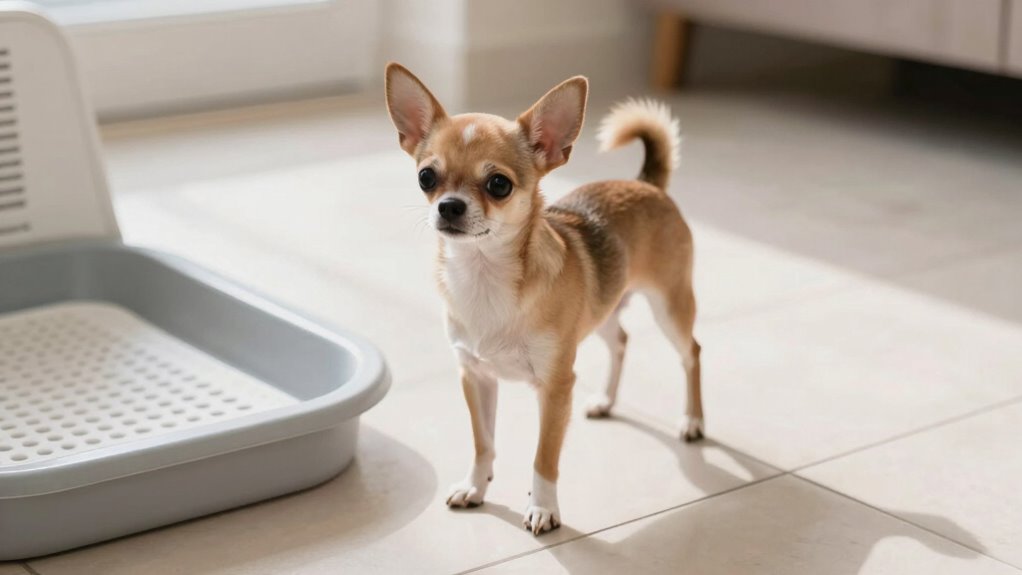
Because Chihuahuas have tiny bladders, we need to act frequently—every 1-2 hours—to prevent indoor accidents and build solid house training. Their small size means their bodies store less urine, making consistent training non-negotiable.
We take our Chihuahua puppy out immediately after meals, naps, and play sessions—these are peak times for bathroom needs. Crate training helps; a properly sized crate (just big enough to stand, turn, and lie down) encourages bladder control and supports dog training by creating a den-like rhythm.
We skip pee pads—they confuse our pup about where to go and delay outdoor success. Instead, we head straight outside to the same spot each time, using a cue word like “go potty.” A leash keeps focus. Similar to how slow feeders reduce choking risk in other breeds, consistent bathroom routines prevent anxiety-related accidents in Chihuahuas.
With consistent training, most Chihuahuas catch on within 4–8 weeks. We stick to a schedule—even on weekends—because predictability builds trust. This part of dog training isn’t flashy, but it’s foundational.
We’re shaping lifelong habits, one outdoor trip at a time.
Using Positive Reinforcement Effectively
When done right, positive reinforcement turns training into a shared language between us and our Chihuahua. We use it to shape behaviors gently, building trust while teaching clear commands. Chihuahuas thrive when we reward their small wins—immediate praise, tiny bits of chicken, or a quick play session right after they obey. That instant connection between action and reward strengthens learning fast.
We’ve found these steps make our training more effective:
- Reward within 1–2 seconds of correct behavior so our Chihuahua links the action to the treat
- Use pea-sized pieces of high-value food like cheese or boiled chicken to avoid overfeeding
- Stay consistent with voice tone and commands—”sit” means the same every time
- Phase in delayed rewards only after mastery, so they learn to focus even without instant treats
Positive reinforcement isn’t just about obedience—it’s how we tell our Chihuahua, “I see you, I trust you.” Just as chewing stimulates saliva production and strengthens dental health in dogs, consistent positive reinforcement activates neural pathways that reinforce learning and build confidence in our pets.
With patience and warmth, they learn complex commands not out of fear, but from a place of safety and love.
Building Confidence Through Nose Touches and Games
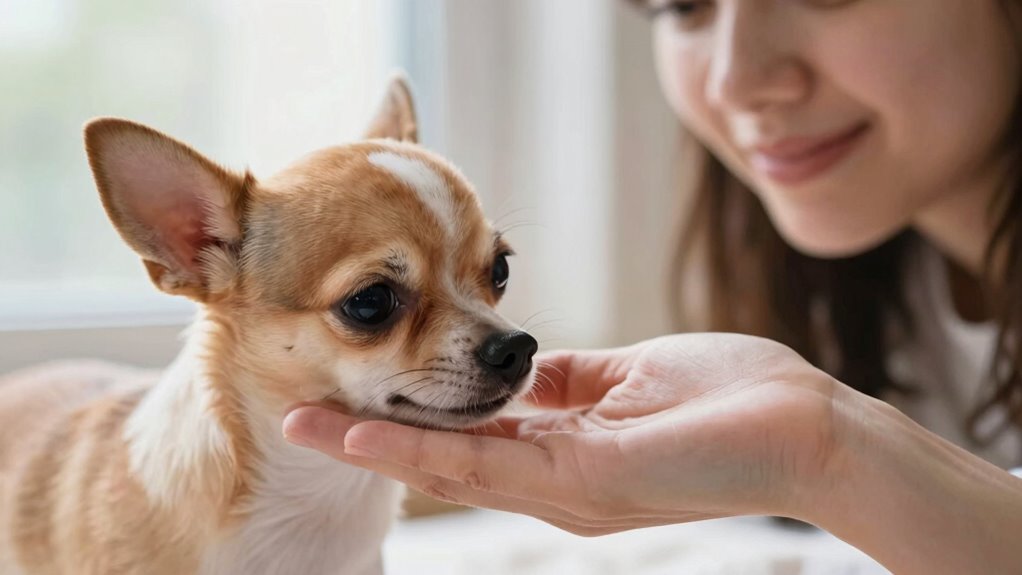
While small in size, Chihuahuas can develop big confidence through targeted, joyful training techniques we’ve refined over years of working with nervous rescues and bold puppies alike.
We use nose touches to help them form positive associations with people, making new situations feel safer. Just a tap of their nose to your hand becomes a powerful tool—simple, rewarding, and bonding.
We pair this with interactive games like hide-and-seek or short bursts of fetch, which provide mental stimulation and spark playful confidence. These moments aren’t just fun; they’re foundational.
We prioritize socialization by inviting calm, friendly larger dogs to play, helping our Chihuahuas feel secure in varied environments.
We keep sessions short—3 to 5 minutes, 2 to 3 times daily—to match their focus span. Every success is marked with praise or a tiny treat, reinforcing calm engagement. Research shows that treats can be used for rewarding good behavior during training sessions, making positive reinforcement even more effective.
Through nose touches, interactive games, and gradual socialization, we help them grow into resilient, trusting companions. Confidence isn’t something they’re born with—it’s something we build together, day by small, joyful day.
Teaching Calm Behavior in Stressful Situations
Since stress can quickly escalate in small dogs like Chihuahuas, we teach calm behavior early and consistently, using clear cues and controlled exposure. When we train a Chihuahua to stay relaxed during triggering moments, we reduce stress-related issues and strengthen trust.
Reading their body language—the tight tail, pinned ears, or stiff stance—helps us intervene before anxiety turns into fear. We keep sessions short, positive, and repeated daily to build resilience.
- Use gradual exposure: start at a distance from stressors, then slowly decrease space over days
- Reward calm behavior instantly with soft praise and pea-sized treats
- Watch for subtle shifts in body language to guide timing and approach
- Offer a quiet retreat, like a covered crate, so they learn to self-soothe
We’ve found that consistency prevents future outbursts and eases separation fears. By responding with patience and structure, we show our Chihuahuas they’re safe—and that peace is their best choice.
Managing Leash Pulling With Harness Training
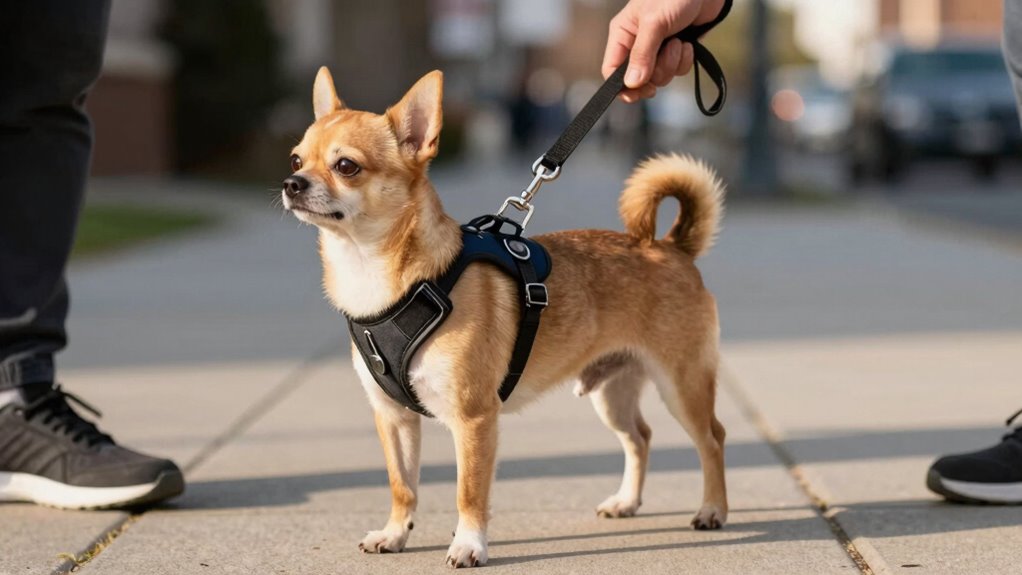
Because loose-leash walking starts with the right setup, we use a well-fitted front-clip harness that gently steers our Chihuahua without straining their 6–8 inch neck or fragile trachea.
Harness training protects our dog and gives us better control. We clip the leash to the front ring, guiding our pup’s movement with soft redirects. When they walk beside us without pulling, we reward with treats and praise—positive reinforcement builds trust and habit.
We keep sessions short, 5–10 minutes, in low-distraction areas first, then gradually explore busier places. Consistency turns practice into progress. Our dog learns that pulling gets them nowhere, but staying close means good things happen.
We walk daily, reinforcing calm patterns. A harness distributes pressure safely across their chest and shoulders, unlike collars that compress delicate anatomy. We check fit: two fingers snug under straps, no rubbing.
With patience and structure, our Chihuahua walks politely, their confidence growing with each step. Harness training isn’t just about control—it’s about connection, one peaceful stroll at a time.
Encouraging Independence When Left Alone
We’ve built trust on walks with harness training, and now we extend that confidence to our Chihuahua’s alone time. Chihuahuas need space to grow emotionally, even as a little dog with big loyalty.
We start with five-minute absences, then slowly increase to 30 minutes over two weeks. This gradual shift teaches them we always come back. It’s important to monitor body language—trembling, barking, or pacing can signal stress.
When we leave, we avoid dramatic goodbyes; calm energy sets the tone. Returning, we wait until they’re still before offering praise. That way, calm behavior becomes their habit.
- Begin with 5-minute absences, adding 5 minutes daily
- Offer puzzle toys stuffed with kibble to engage their mind
- Keep departures and returns low-key to reduce emotional spikes
- Introduce familiar scents, like a worn T-shirt, for comfort
New people near their space can unsettle them, so we keep their zone quiet. With trust and rhythm, our Chihuahua learns being alone isn’t lonely—it’s safe.
Meeting Mental and Physical Exercise Needs
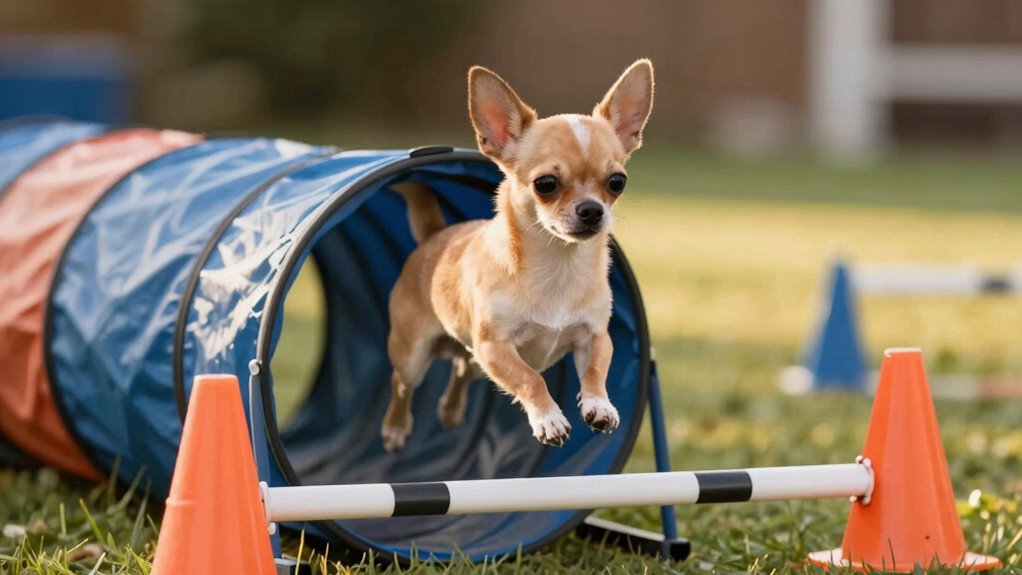
While they’re small in size, Chihuahuas pack big energy and intelligence that demand daily mental and physical challenges.
It’s understood that Chihuahuas are intelligent, and without proper outlets, that sharp mind can lead to boredom and behavioral issues. To meet their physical needs, we aim for 30 minutes to 1 hour of activity daily—short walks, indoor play, or quick backyard fetch sessions work great.
Mental stimulation is just as critical: puzzle toys, hide-and-seek games, and learning new tricks keep them engaged. We take our puppies outside every two hours for potty breaks and social exposure, building confidence early.
Consistent training schedules, paired with positive reinforcement, strengthen trust and sharpen their focus. We stick to routines because predictability reduces nervousness and fosters good habits.
When we balance physical needs with mental stimulation, our Chihuahuas become calmer, happier, and more responsive. Training isn’t just about commands—it’s about meeting their full needs.
We challenge them daily, and in return, they thrive. We’ve seen it ourselves: a tired Chihuahua isn’t just relaxed—it’s ready to learn.
Frequently Asked Questions
Are Chihuahuas Easy to Potty Train?
We understand potty training Chihuahuas can be tough—we’ve faced the common challenges too. With consistent schedules, positive reinforcement, and smart potty training techniques, we stick together through every step, building trust and behavioral consistency you can feel close to.
Are Chihuahuas Good Dogs for Beginners?
we think chihuahuas can be great for beginners, yet their bold chihuahua temperament contrasts their tiny size—mastering training techniques and early socialization tips helps overcome beginner challenges with love, patience, and consistent, gentle guidance.
What Is the Downside of Chihuahuas?
We’ve found the downside of chihuahuas lies in their temperament issues—we see chihuahuas and aggression if we skip socialization. Their fragile health concerns us, and without early training, we face challenges bonding and managing their stubborn, anxious behaviors together.
At What Age Do Chihuahuas Calm Down?
We’ve watched our Chihuahuas’ puppy energy fade like sunset hues by age 2 or 3. Through behavioral changes, we embrace training patience and meet their socialization needs so they soften into calm, confident companions we trust and adore.
Conclusion
We train Chihuahuas, not because they obey, but because they negotiate. Tenacious, clever, 4-pound dynamos with 12-inch legs don’t follow commands—they evaluate them. We win not with force, but with treats, patience, 5-minute sessions, and consistency measured in weeks, not days. Socialize early, reinforce positively, walk with harnesses—size 8 inches chest, not ego. They’re not easy. They’re possible. And that’s enough.