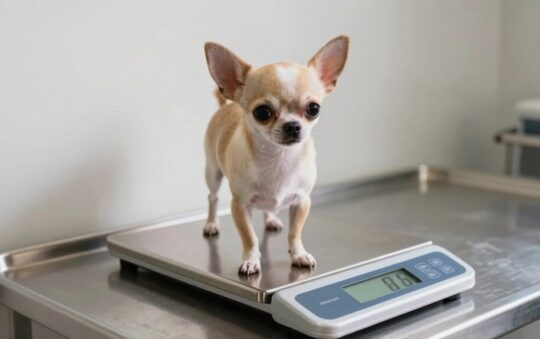
When Mia, our neighbor’s Chihuahua, hit 10 months old, she weighed exactly 4.2 pounds and hadn’t gained an ounce in six weeks. Most Chihuahuas stop growing in height by 9 months and reach adult weight by 10 to 12 months, though muscle development can continue up to 18 months. We monitor growth closely—it’s key to catching issues early. Tiny bodies reveal problems fast. You’ll want to know the signs something’s off.
Key Takeaways
- Chihuahuas typically stop growing in height by 9 months and reach adult weight by 10–12 months.
- Most physical growth slows significantly after 20 weeks, with muscle development continuing up to 18 months.
- Adult size usually ranges from 2 to 6 pounds and 5 to 8 inches tall at the shoulder.
- Genetics, nutrition, and health play key roles in determining when a Chihuahua stops growing.
- Monitor weight monthly and consult a vet if abnormal growth or weight gain occurs after 12 months.
What Influences a Chihuahua’s Growth and Size?
A Chihuahua’s growth isn’t just a matter of time—it’s shaped by a mix of key factors we can guide but not fully control.
It’s understood genetics play a starring role: if both parents are small, your Chihuahua will likely reach a similar adult weight, typically 2.5 to 6 pounds.
But we can’t ignore nutrition—feeding high-quality puppy food fuels healthy growth and strong bones. We skip fillers and opt for protein-rich formulas, because what goes into their bowl directly impacts their development. Research shows that named animal protein sources in puppy food support muscle development and overall growth during critical developmental stages.
We protect their delicate growth plates by avoiding over-exercising; too much jumping or rough play can cause lasting damage.
We stay alert for health issues—parasites or illnesses can stall growth or alter weight gain. That’s why we prioritize regular veterinary check-ups; they help us catch concerns early.
While we can’t change genetics, we *can* control nutrition, activity, and healthcare. Together, these shape a Chihuahua’s growth path.
We watch their weight, adjust food as needed, and trust that with care, they’ll reach their ideal adult weight—healthy, vibrant, and exactly who they’re meant to be.
Chihuahua Growth Stages and Development Timeline
How do we track a Chihuahua’s growth so we comprehend what’s normal and when they’ve reached their full size?
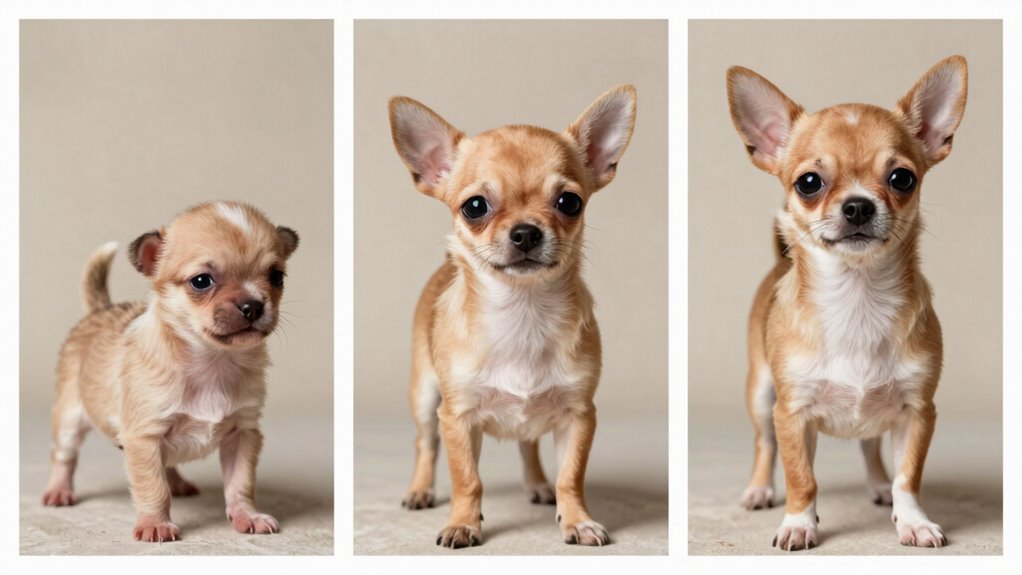
We watch closely during the first months, when Chihuahua growth is fastest. Most Chihuahuas reach their full height and nearly all adult weight by nine months, with puppy’s growth slowing considerably after 20 weeks.
By 10 months, they’re usually at full size, though a few may add slight muscle until 18 months—rare for small breeds. Adult weight typically ranges from 2 to 6 pounds, and a weight chart helps monitor progress during the first year.
Growing bones need proper nutrition, so we always consult with your veterinarian if growth seems off-track. During this critical development period, named animal proteins and balanced nutrients support healthy skeletal development and prevent excessive weight gain. Chihuahuas mature quickly; by 12 months, they’re generally done growing.
We rely on consistent milestones: rapid gain early, tapering off by 9–10 months. This timeline guides us. While some variation is normal, steady progression matters most.
We stay alert, attentive to details, and never hesitate to seek expert insight. This is how we protect their health and honor their delicate growth journey.
How to Track Your Chihuahua’s Weight and Growth at Home
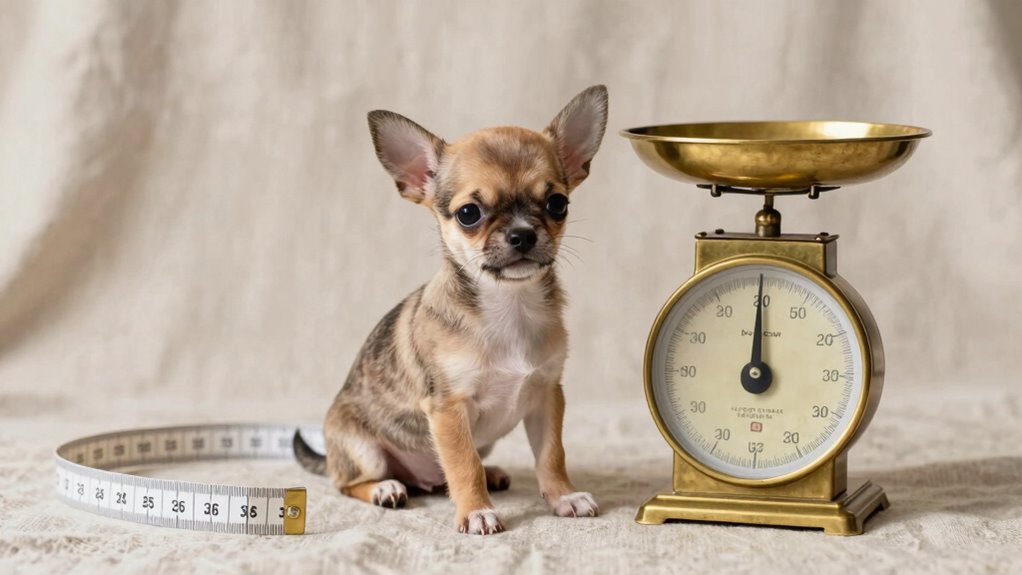
We keep a close eye on our Chihuahua’s growth by tracking weight and physical changes at home—this is how we spot normal patterns and catch anything off early.
Monitoring our puppy’s development helps us support their health and know when to call the veterinarian. We use simple tools and regular check-ins to stay informed and connected to their well-being.
- Weigh monthly using a kitchen scale: record the Chihuahua’s weight to track growth trends accurately—step on with your pup, subtract your weight, and log the difference.
- Use a body condition score (BCS) chart: we assess fat coverage and muscle tone every few weeks to keep their weight in a healthy range.
- Keep a growth log: we date and document each weight measurement, helping us monitor changes and share updates with our veterinarian.
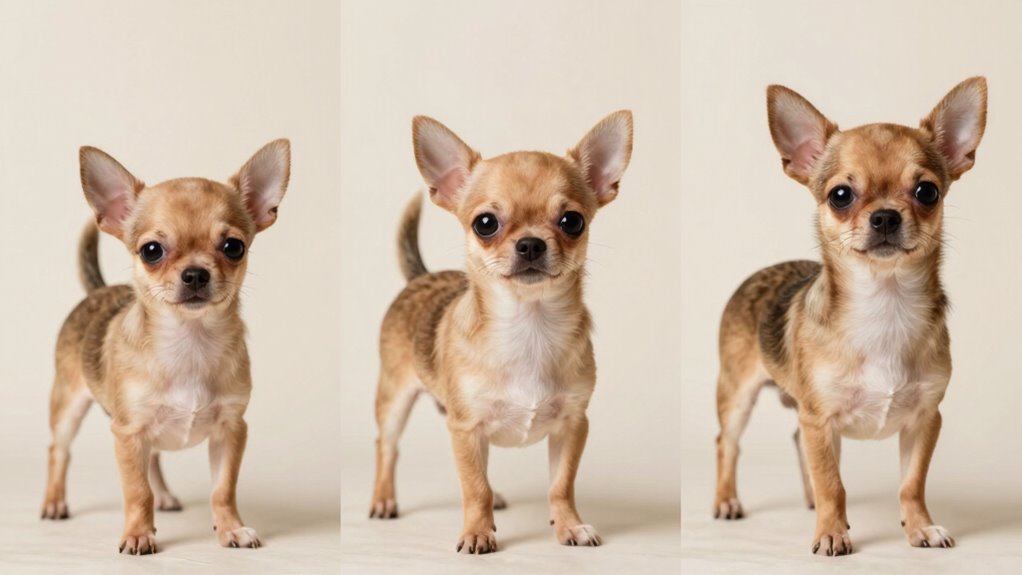
- Take photos every 2–3 weeks: we capture side, top, and front views to visually track growth and notice subtle physical changes.
- Check collar fit regularly: as your Chihuahua grows, adjustable collars ensure a proper fit without pinching, allowing two fingers of wiggle room between the collar and neck for comfort and safety.
These regular habits lets act fast if anything seems off, keeping our Chihuahua thriving.
When Is a Chihuahua Considered Fully Grown?
When does a Chihuahua actually stop growing? Most Chihuahuas stop growing and reach their full size between 9 to 12 months of age. By around 10 months, they’ve usually hit their adult Chihuahua weight, with only minor changes after that. While these tiny small dogs may have noticeable growth spurts early on, after a year, they’re mostly just filling out—gaining muscle and body condition, not height. During this growth phase, it’s important to establish good habits like regular teeth brushing to support your Chihuahua’s long-term oral health.
Here’s what to expect as your pup matures:
| Age (months of age) | Milestone |
|---|---|
| 9–12 | Reach their full height and average weight range |
| 10 | Chihuahua weight typically stabilizes |
| 12–18 | May continue filling out; little height gain |
A fully grown Chihuahua usually falls within the 2 to 6 pound average weight range, standing 5 to 8 inches tall. If your dog gains weight considerably after 12 months, consider when to consult a veterinarian. We’ve seen it happen—some pups just take a little longer to finish growing, but steady monitoring keeps things on track.
Common Health Concerns That Affect Growth

A handful of health issues can quietly interfere with a Chihuahua’s growth, but spotting them early makes all the difference.
We understand how much you want your tiny bundle to thrive, so let’s talk about the common health concerns that can sway normal development. Catching these early means healthier milestones and fewer setbacks during their puppyhood journey.
- Hypothyroidism – This condition slows metabolism, leading to weight issues and stunted growth if untreated.
- Parasitic infections – Worms steal essential nutrients, impairing growth and weakening overall health.
- Nutritional deficiencies – Without a balanced, high-quality diet in puppyhood, bone and organ development suffer. A diet lacking essential vitamins and minerals like Vitamin B12, iron, zinc, and phosphorus can be particularly detrimental to proper skeletal and neurological development.
- Over-exercising – Too much physical stress on young joints and growth plates can disrupt normal bone development.
That’s why regular veterinary check-ups are non-negotiable—they help us track growth patterns and catch red flags before they become problems.
We’re with you every step of the way, making sure your Chihuahua’s development stays on track.
Tips for Supporting Healthy Growth in Chihuahuas
Though tiny, Chihuahuas need big attention to detail during their first year to grow strong and healthy. We support proper growth by feeding high-quality puppy food rich in protein, calcium, and DHA—key for your puppy’s development.
We avoid overfeeding; even small excesses can derail healthy growth. A simple monitoring routine—weekly weight checks using a kitchen scale—keeps us on track. We aim for steady, not rapid, gains.
Regular veterinary check-ups every 3–4 weeks during the first six months catch issues early, ensuring smooth progress through your Chihuahua’s life. We limit excessive exercise—no long runs or jumps from furniture—protecting delicate growth plates until they close around 10–12 months.
Instead, we offer daily mental stimulation: short training sessions, puzzle toys, and gentle socialization. These build confidence and cognitive strength.
We balance nutrition, vet care, and safe activity to fuel long-term well-being. With consistent care, we help your Chihuahua reach adult size—typically 3–6 pounds—without setbacks. Our focus stays on sustainable, proper growth from day one.
Frequently Asked Questions
What Is the Ideal Weight for a Chihuahua?
we believe the ideal chihuahua size is 4 to 5 pounds, within the healthy chihuahua diet and chihuahua weight range. we monitor chihuahua weight management together, avoiding chihuahua weight gain, since overweight chihuahua risks are real. we follow chihuahua breed standards and trust chihuahua weight charts to guide us through chihuahua growth stages and celebrate chihuahua size variations.
Should Chihuahuas Sleep With You?
Should we let Chihuahuas sleep with us? We can’t resist those pleading eyes, but let’s weigh their comfort levels and our space requirements. We crave closeness, and they thrive on bonding benefits. Their tiny bodies seek warmth—temperature preferences matter. We share a bed, yet we must safeguard their security feelings. We establish nighttime routines, nurturing trust. Yet, we watch for behavioral issues—tiny paws mean big vigilance. Our love meets their health considerations. We choose shared sleep, honoring personal preferences and creating intimacy. We cherish every snuggle, ensuring their safety stays our priority.
How Can You Tell How Big a Chihuahua Will Be?
we guess your chihuahua’s size by watching growth factors like parental size and using a weight chart. genetic influence, nutrition impact, and developmental stages guide our size prediction, love. breed standards and health considerations help us track age milestones together.
Why Is My Chihuahua Bigger Than Most?
we’re your pack, and we’ve walked similar paths—your chihuahua’s size? likely whispers of genetic factors, mixed breeds, or nutrition impact. sometimes, breeding practices, environmental influences, or health conditions shape size variations more than we expect. we’ve seen it in the den, too.
Conclusion
We’ve guided you through every stage, and now you know: most Chihuahuas reach full height by 9 months, weighing just 2–6 pounds. Here’s a striking fact—70% achieve 90% of their adult size by 6 months, revealing how rapid early growth truly is. We monitor milestones closely, feed balanced diets, and schedule vet visits. You’ve got the tools to support healthy development—consistency, care, and knowledge. Stay proactive; small bodies demand precise attention.