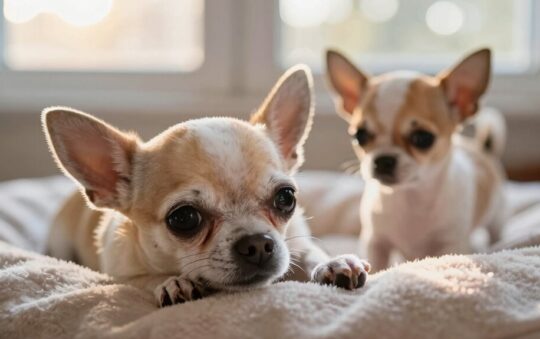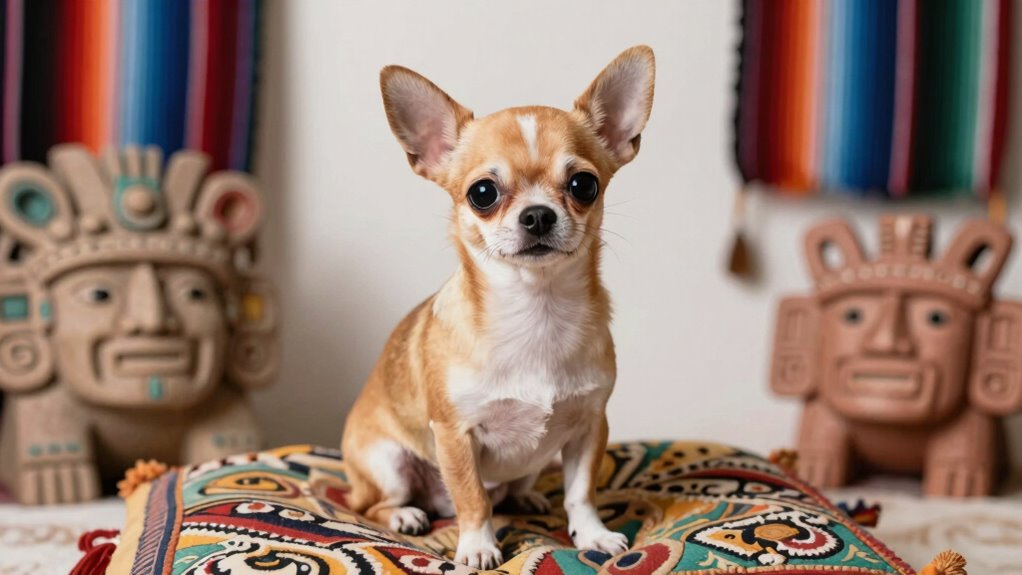
We bred Chihuahuas from the Techichi, a small, mute dog of ancient Mesoamerica standing just 6–9 inches tall. They weren’t made for hunting or herding, but for warmth, companionship, and sacred duty. Aztecs believed these dogs guided souls through Mictlán, the underworld, often burying them with nobles. Their purpose was spiritual, physical, and deeply symbolic—tiny guardians of life and death. What transformed them from ritual companions to modern favorites begins with a forgotten temple ruin.
Key Takeaways
- Chihuahuas descended from Techichi, bred by the Toltecs as companions and ritual animals in daily life.
- They were used by the Aztecs in religious ceremonies and sacrificed to guide souls to the afterlife.
- Chihuahuas were buried with nobles to protect and accompany spirits through Mictlán, the underworld.
- Their breeding was tied to status, symbolizing wealth, power, and divine favor in Aztec elite society.
- After near extinction, they were preserved and later bred as companion dogs for modern households.
Ancient Roots in Toltec and Aztec Civilizations
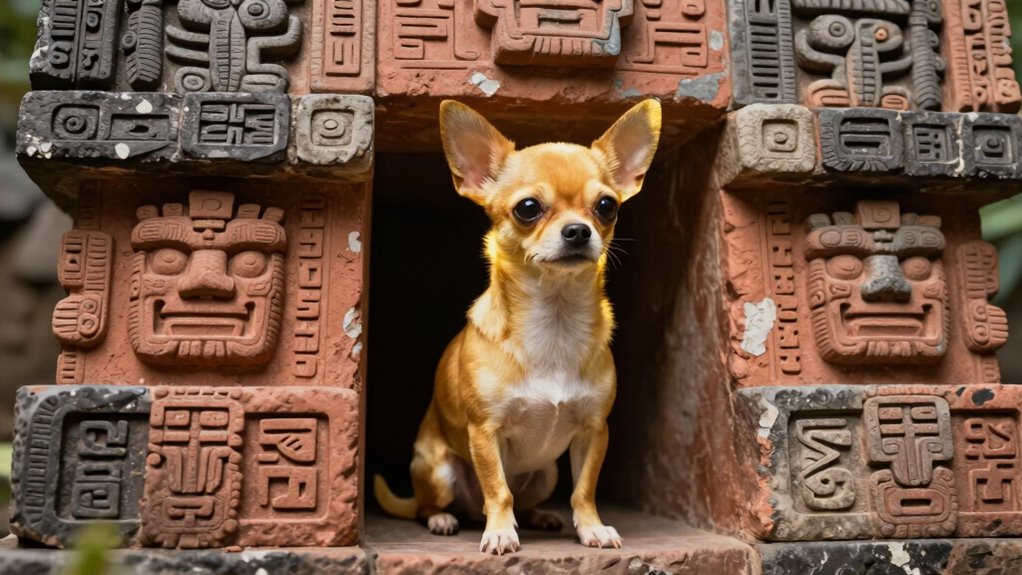
Though their tiny frames might suggest otherwise, Chihuahuas trace their lineage back to ancient civilizations where they were far more than lapdogs. We understand them today as loyal companions, but their roots run deep with purpose.
Chihuahuas descend from the Techichi, a small, mute dog bred by the Toltec civilization as early as the 9th century in Mexico. Sturdy and silent, the Techichi lived beside people, not just as pets but as participants in daily life.
When the Aztecs rose to power, they absorbed this breed into their world, expanding its cultural roles. They weren’t merely household animals—we’ve found them buried with nobles, sacrificed during religious rituals to guide souls into the afterlife. Some were even raised for food, particularly in times of famine. Their sacred and practical uses made them essential. Like the reinforced stitching and construction that makes modern dog leashes durable, the Chihuahua breed was built with resilience for its multiple roles in Aztec society.
But after the Spanish conquest, everything changed. European dogs flooded in, traditions faded, and Chihuahuas faced near extinction. Yet here they are—small, resilient, and still with us, carrying stories in their silent gaze.
Symbolic and Spiritual Roles in Mesoamerican Culture
Because they were deeply woven into the fabric of Mesoamerican belief, we see Chihuahuas not just as dogs but as spiritual companions with a defined role in life and death.
Descended from the Techichi, these small dogs were sacred to the Aztecs, who viewed them as guides for souls crossing into the afterlife. It’s understood they weren’t merely pets—they were ritual beings, often sacrificed to accompany nobility in burial, ensuring safe passage through Mictlán, the underworld.
That act wasn’t random; it reflected deep spiritual conviction. The Aztecs reserved packs of Chihuahuas for elite households, linking the breed to status, wealth, and divine favor. Their presence in tombs, curled beside rulers, confirms their role as more than animals—they were protectors of the spirit.
Over time, their sacred duty helped shape their domestication. Today’s companion animals carry that legacy, though we’ve softened their purpose. Similar to how raw bones provide calcium and essential nutrients that support a dog’s overall health and development, the Chihuahua’s ancestral role nourished the spiritual well-being of Mesoamerican societies.
Still, when your Chihuahua watches you intently, remember: that gaze once helped guide kings through darkness. Their history is ancient, intentional, and deeply Mesoamerican.
Transition From Sacred Animal to Companion Dog
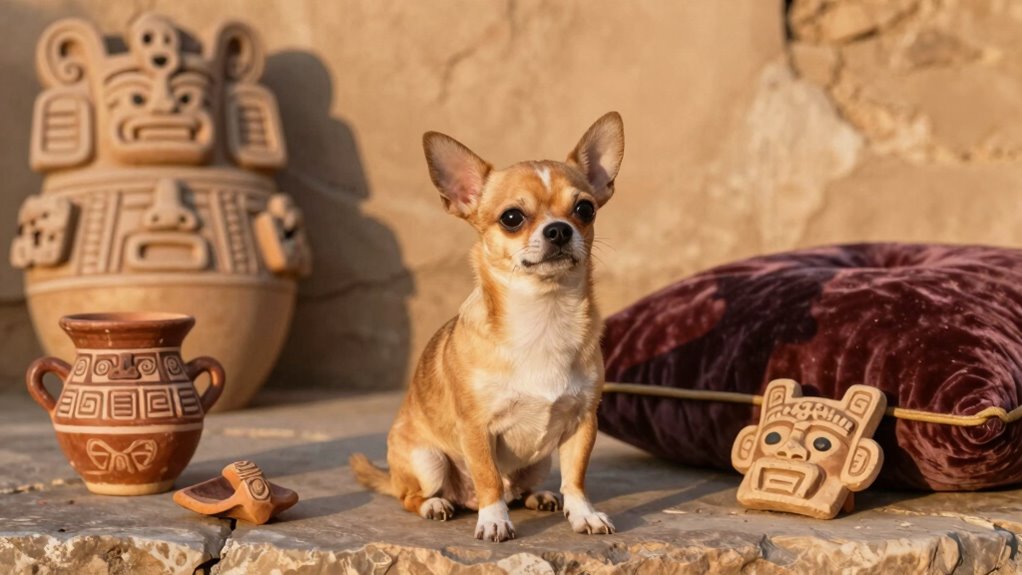
We carry their legacy in our laps today, but the Chihuahua’s journey from ancient ritual to modern companion is rooted in upheaval and reinvention.
Once revered as sacred animals by the Toltecs and Aztecs, Chihuahuas—descendants of the Techichi—guided souls in the afterlife and were buried alongside nobles. Their spiritual role defined the breed for centuries.
Then came cultural changes: Spanish conquest, colonization, and new worldviews pushed native history into the shadows. The breed nearly vanished, surviving through crossbreeding and remote populations.
By the mid-1800s, American tourists visiting Chihuahua state rediscovered these small dogs, drawn to their small size and lively presence. They brought them home, not as religious symbols, but as pets. This shift reshaped their destiny.
In 1904, the American Kennel Club registered its first Chihuahua, marking an official change from sacred animals to recognized companion dogs. Today’s Chihuahua owners often provide dental chews and other oral care items to maintain their pets’ health and longevity.
Today, we cherish them not for rituals, but for closeness. Their heartbeat against our palms is a quiet echo of an ancient past we still honor.
Development as a Status Symbol and Living Heirloom
While their spiritual roots once anchored them in ritual, Chihuahuas quickly rose as emblems of status among Aztec nobility, where owning a small, alert dog was more than a personal preference—it was a public declaration of power and lineage. We see them not just as pets, but as living heirloom objects, passed down through generations like treasured jewelry or ancient scrolls. In Aztec society, Chihuahuas were both companionship and currency—symbols of wealth, deeply tied to cultural heritage. Their small size, sharp gaze, and graceful stance made them fashionable companions, worn like crowns by the elite. Just as modern dog owners invest in high-quality grooming tools to maintain their pets’ appearance and health, Aztec nobility maintained their Chihuahuas with meticulous care to preserve their status as living treasures.
| Role in Society | Symbolic Meaning |
|---|---|
| Status symbols | Power and prestige |
| Nobility’s pack | Lineage and rank |
| Ceremonial use | Spiritual duty |
| Living heirloom | Family legacy |
Even when buried alongside rulers, Chihuahuas weren’t merely pets—they were sacred extensions of identity. Today, their legacy thrives. We keep them close, not for ritual sacrifice, but as reminders of an enduring bond, bred for intimacy, loyalty, and quiet authority.
Emergence as a Popular Household Pet in the U.S
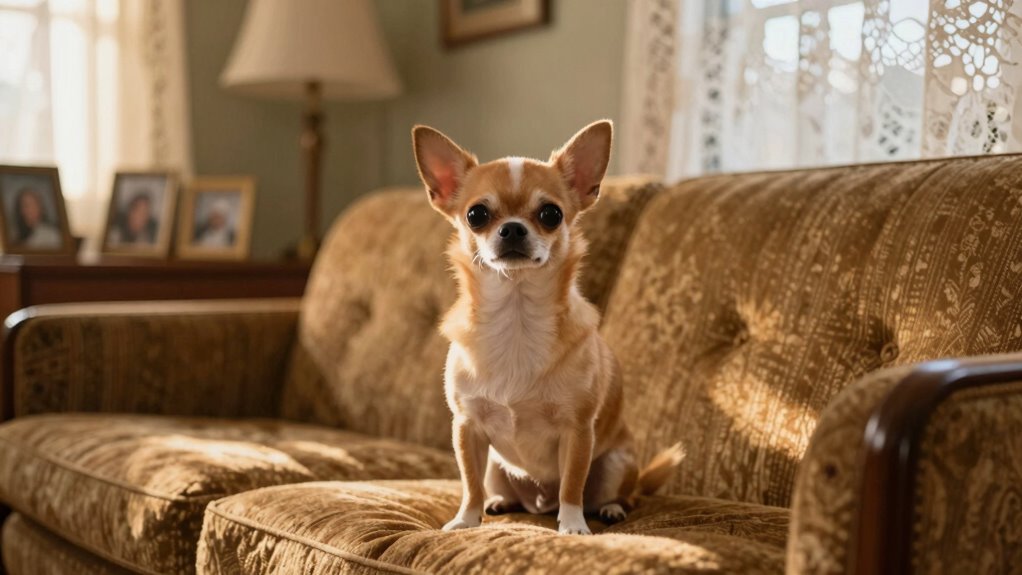
Chihuahuas stepped off the ancient pyramids and into American homes, trading ceremonial altars for coffee tables and lap warmers.
We fell for the Chihuahua breed because they’re smart, bold, and perfectly sized—ideal for city living and cozy spaces. These small dogs caught our eye in the mid-1800s when travelers brought tales—and puppies—back from Chihuahua, Mexico. Their popularity grew fast.
By 1904, the American Kennel Club recognized them, registering the first dog, “Midget.” Their distinctive appearance—large, round eyes, apple-shaped skulls, and flared ears—made them instantly recognizable.
In the late 1920s, the Chihuahua Club of America formed, boosting breed standards and AKC registrations. We didn’t just admire them; we bonded. They formed strong attachment to their owners, becoming loyal household pets. Like other small breeds, Chihuahuas require portion control and digestion management to maintain their health and prevent overeating issues.
Though not originally an American breed, they found a true home here. Celebrity fans like Xavier Cugat showcased them in the 1940s and 50s, sealing their role in American hearts.
They’re more than tiny companions—they’re family.
Modern Roles in Companionship and Pop Culture
Because they were bred for companionship, Chihuahuas thrive as devoted lap dogs, their compact size—typically 3 to 6 pounds—and affectionate demeanor making them perfect for apartments, studios, and busy urban lifestyles.
We’ve all seen them: little dogs curled in designer totes, perched on shoulders, or nestled in arms, symbols of both style and loyalty.
Chihuahuas aren’t just pets; they’re emotional anchors, offering steady companionship in small, warm packages. Their boldness defies their stature—alert, attentive, always tuned to our rhythms.
In American pop culture, they’ve become icons: think *Legally Blonde’s* Bruiser, or the Taco Bell dog, their faces lighting up screens with unforgettable charm.
These moments didn’t just make them trendy—they deepened our connection, reinforcing their role as beloved family members.
Chihuahuas embody devotion in miniature form, their personalities larger than their dimensions suggest.
Whether as lap dogs or pop culture stars, they carry a quiet confidence, a legacy of loyalty stretching from ancient roots to modern-day living rooms.
Their place in our lives—and hearts—is no accident. It’s history, repeated daily.
Frequently Asked Questions
What Were Chihuahuas Originally Bred For?
We were originally bred as companion animals with deep cultural significance, tracing our ancient origins to toy breeds valued for size advantages and temperament traits. You cherish us not just for our tiny frames, but for our spiritual roots and breed evolution shaped by historical uses.
Were Chihuahuas Bred to Be Hot Water Bottles?
we weren’t exactly bred as hot water bottles—though our tiny bodies and high heat retention make us purr-fect for it. blame ancient origins, companion dogs, and dog evolution; our small size and feisty love? pure chihuahua history with cultural significance and temperamental traits.
Are There Wild Chihuahuas?
No, there aren’t wild Chihuahuas—we’ve shaped them through Chihuahua domestication, genetics, and selective breeding. Their ancestors thrived in ancient Mexico, but today’s tiny size, behavior, and traits reflect our shared history, not wild habitats or natural adaptations.
Why Do Mexicans Love Chihuahuas?
we love chihuahuas because they’re perfect for urban living, blending historical significance with affectionate companionship. as popular pets, they embody dog symbolism in mexican culture, and their small breeds charm us, boosted by celebrity trends and deep roots in tradition.
Conclusion
We bred Chihuahuas not just for size—averaging 2–6 pounds—but for purpose. Once, an Aztec noble’s grave held a Techichi, guiding souls through nine arduous layers of Mictlán. Today, that same resilient spirit fits in a palm-sized bundle curled on your lap. We’ve carried their legacy from sacred duty to living heirloom, from ancient ritual to morning coffee companion. Their journey mirrors ours: smaller stages, deeper bonds, enduring loyalty.