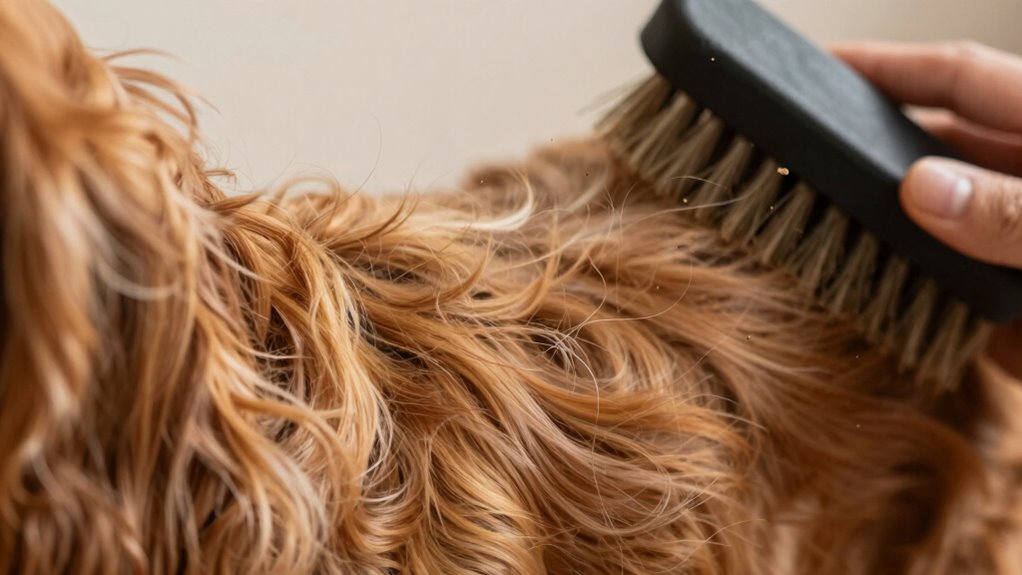
We don’t expect you to believe every dog labeled “hypoallergenic” is safe for allergies—and for good reason. Cavalier King Charles Spaniels shed year-round, release dander, and carry allergens in their6–8 inch silky coats. Most allergic reactions stem from dander, not fur, and these dogs produce plenty. Regular brushing and vacuuming help, but they won’t stop airborne particles. So, are they truly hypoallergenic? The answer might surprise you—and it starts with understanding what allergens really do.
Key Takeaways
- No dog is truly hypoallergenic, and Cavalier King Charles Spaniels shed year-round, releasing allergenic dander.
- Dander, not fur, is the primary allergen, and Cavaliers produce dander through skin, saliva, and urine.
- Their double coat traps dander and loose hair, increasing exposure for allergy sufferers despite regular grooming.
- Daily brushing and HEPA filtration help reduce allergens but cannot eliminate reactions entirely.
- Hypoallergenic alternatives like Poodles or Maltipoos may be better suited for those with dog allergies.
Understanding the Hypoallergenic Myth
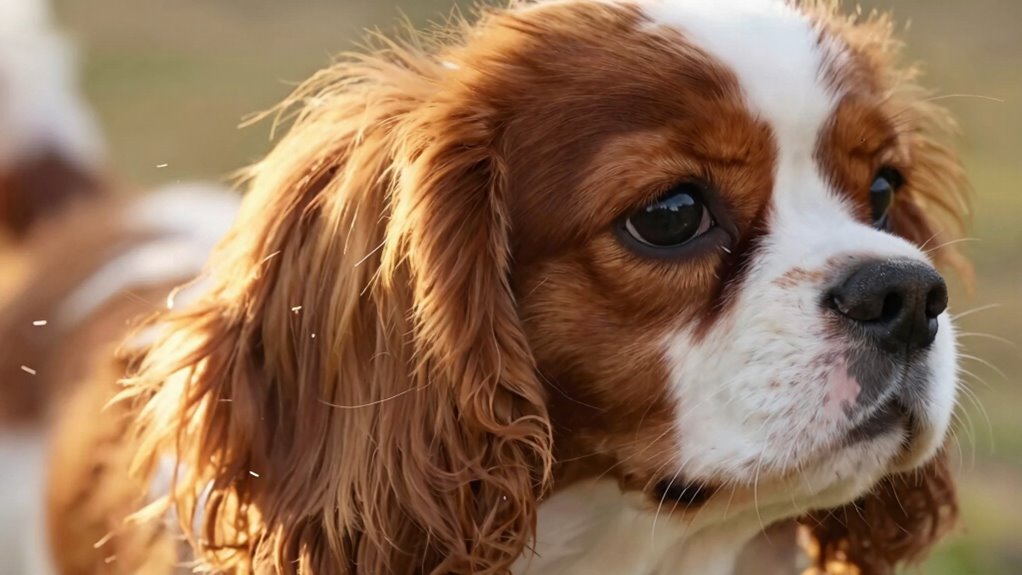
While no dog is truly hypoallergenic, we often hear hopeful questions about Cavalier King Charles Spaniels fitting the bill—and the truth is, they don’t.
It’s clear how much you want to welcome a furry friend into your life without triggering sniffles or sneezes. But let’s be clear: Cavalier King Charles Spaniels shed year-round. Their silky, medium-length coats release dander—tiny skin flakes carrying allergenic proteins from saliva and skin.
These proteins, not just fur, are what set off reactions in allergy sufferers. Even with regular grooming—weekly brushing, monthly baths—dander and loose hair persist. No amount of care makes them hypoallergenic dogs. Regular grooming prevents mats and tangles while managing the allergies associated with shedding, but it cannot eliminate the allergens themselves.
Shedding varies by individual, yes, due to age, lineage, and coat type, but every Cavalier produces allergens.
We’re not here to discourage love for this sweet, affectionate breed. We’re here to guide you with honesty. If you’re an allergy sufferer, understanding this upfront helps you make smarter, kinder choices—for your health and the dog’s well-being.
Why Cavalier King Charles Spaniels Aren’t Hypoallergenic
Most Cavalier King Charles Spaniels shed consistently throughout the year, releasing a steady supply of dander and loose hair into your home.
This shedding comes from their medium-length, silky coats, which trap allergens like skin flakes and saliva proteins—common triggers for allergy sufferers.
While we adore their affectionate nature, we must be honest: these dogs aren’t hypoallergenic. All Cavaliers produce dander, and even with regular grooming, allergens persist in your space.
Brushing several times a week helps reduce shedding and removes loose fur, but it won’t stop allergens completely. We’ve seen it time and again—someone falls for their sweet eyes, but then the sneezing starts.
No individual Cavalier is free of allergen production. Their shedding varies slightly from dog to dog, but no amount of brushing or bathing eliminates the core issue.
The double coat structure of Cavalier King Charles Spaniels—consisting of a soft, feathered outer layer and a fine undercoat—actually traps more allergens and makes shedding more difficult to manage.
If you’re sensitive, you’ll likely feel it. We wish we could tell you otherwise, but when it comes to allergies, Cavalier King Charles Spaniels simply don’t fit the hypoallergenic label.
The Role of Dander in Dog Allergies
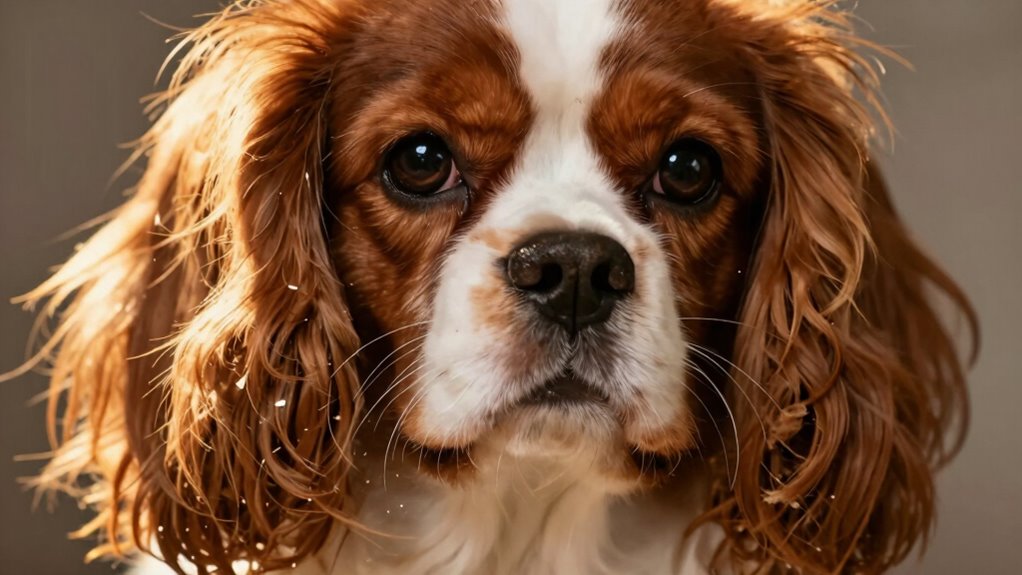
Dander is the real culprit behind most dog allergies, not the fur. It’s easy to blame shedding, but allergens are actually proteins in dander, saliva, and urine.
Dander—microscopic skin flakes—stays airborne, clings to surfaces, and triggers allergies even in clean homes. Even dogs with silky, medium-length coats like Cavalier King Charles Spaniels produce dander year-round. Their coat maintenance doesn’t stop skin cells from flaking.
While regular grooming helps—brushing several times a week, bathing monthly—it can’t remove all allergens. Think of it as damage control, not a cure. Studies show that dental chews and grooming routines can reduce allergen exposure, but comprehensive management requires multiple approaches beyond brushing alone.
We also see that people react differently; some with allergies tolerate certain dogs better, likely due to individual dander production levels. So, if you’re sensitive, spend time with a Cavalier before committing.
Regular grooming reduces dander in your home, but won’t eliminate it. We’re able to manage exposure, yes, but not erase risk.
The truth? No dog is 100% hypoallergenic. Allergies are personal, and dander is always part of the equation.
Shedding Patterns of Cavalier King Charles Spaniels
Though they’re elegant with their flowing, medium-length coats, Cavalier King Charles Spaniels do shed—a moderate amount all year, with noticeable upticks each spring and fall. This shedding isn’t extreme, but it’s consistent, and loose hair isn’t the only concern. Dander and skin flakes often ride along, triggering allergies in sensitive individuals. The good news? Regular grooming makes a real difference. Daily brushing cuts down on airborne hair and minimizes dander accumulation. We’ve found that weekly baths with a pH-neutral shampoo support skin health, reducing irritation and potential health issues linked to poor coat condition. A diet rich in omega fatty acids can further enhance coat quality and reduce excessive shedding from within.
Here’s what to expect:
| Factor | Impact on Shedding |
|---|---|
| Coat type | Silky coats trap loose hair slightly |
| Season | Peaks in spring and fall |
| Grooming frequency | Daily brushing reduces shedding |
| Skin health | Poor care increases skin flakes |
| Individual variation | Genetics influence shedding levels |
We see fewer allergens in homes with consistent routines. Regular grooming doesn’t stop shedding, but it helps us stay ahead of it—keeping your space cleaner and your companion healthier.
Grooming Tips to Reduce Allergens
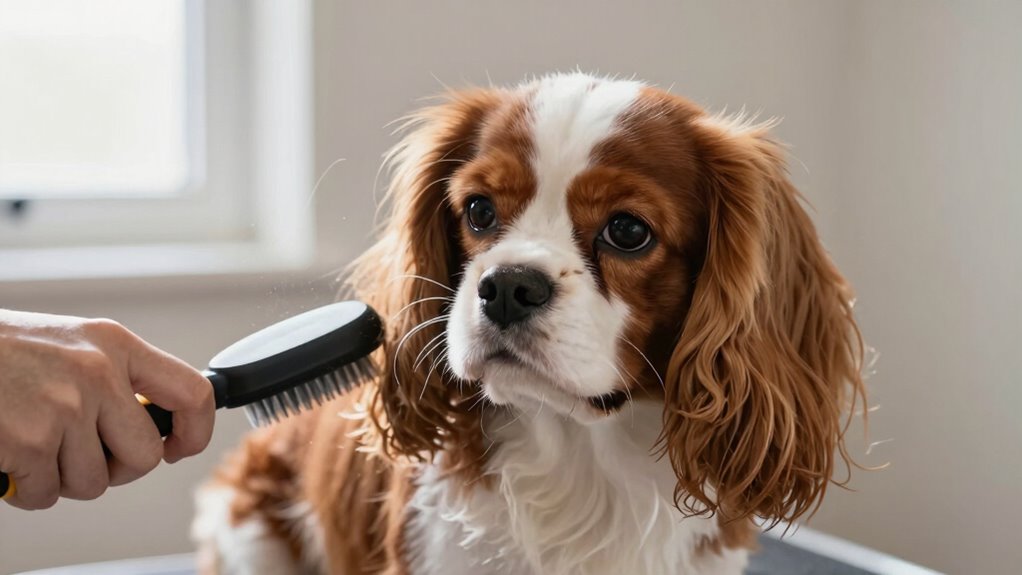
A solid grooming routine cuts allergens at the source, and we suggest starting with daily brushing using a slicker brush to remove loose hair and prevent mats that trap dander.
Regular brushing, just 5–10 minutes each day, greatly reduces the hair and dander floating in your home. We also recommend bathing your Cavalier weekly with a pH-neutral shampoo—it removes skin flakes and loose hair that carry allergens.
Pair this with regular grooming sessions to keep their silky coat tangle-free and to catch any skin issues early, which could otherwise increase allergen production. When selecting brushes, prioritize those with soft or rubbery bristles to avoid irritating your dog’s skin during grooming.
Don’t overlook your home: vacuuming with a HEPA filter captures lingering dander from carpets and furniture.
While no dog is truly hypoallergenic, consistent care helps sensitive individuals live more comfortably.
And if allergies are a concern, consider pet health insurance that covers allergy treatments—it’s a smart safeguard.
We understand managing allergens feels personal, even overwhelming, but small, steady efforts make a real difference.
Trust us, your Cavalier—and your sinuses—will thank you.
Living With a Cavalier if You Have Allergies
We’ve covered how a solid grooming routine keeps allergens in check, but what happens when you bring that care into daily life with a Cavalier King Charles Spaniel?
Let’s be clear: Cavaliers aren’t hypoallergenic. They shed and produce dander, saliva, and urine—all common triggers for allergies.
But if your heart is set on this sweet breed, all isn’t lost. With regular grooming—daily brushing and baths every 1–2 weeks using pH-neutral shampoo—you can greatly reduce airborne allergens.
We pair that with a tight cleaning schedule: vacuuming 3–4 times weekly using a HEPA filter, washing bedding in hot water twice a week, and running air purifiers in shared spaces.
Your reaction matters most. Spend time with a Cavalier before committing—some with mild allergies adapt well; others, even with effort, struggle.
We understand the bond is strong, but honesty about your sensitivity keeps everyone healthy.
With diligence, you *can* share your home with a Cavalier King Charles Spaniel—just know it’s a daily commitment.
Best Hypoallergenic Dog Breeds for Allergy Sufferers
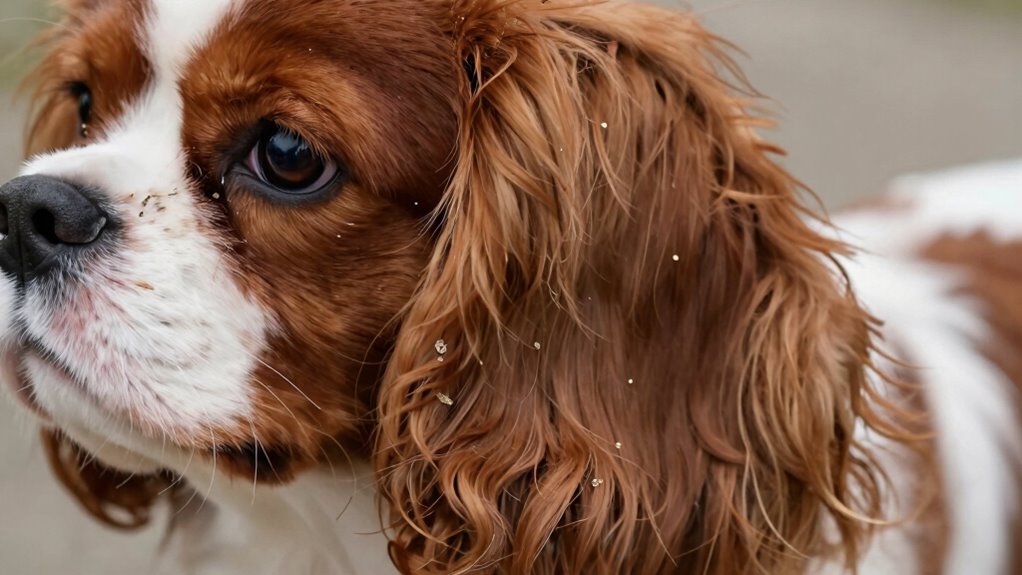
Five hypoallergenic breeds consistently rise to the top for allergy sufferers, and choosing one could mean fewer sniffles and more cuddles.
While Cavalier King Charles Spaniels are beloved for their affectionate nature, they aren’t hypoallergenic and often trigger allergy symptoms due to moderate shedding and dander.
If you’re sensitive, consider breeds like Poodles, Maltipoos, or Cockapoos—curly-coated dogs recognized by the AKC for producing fewer allergens. Their hair-like fur traps dander, reducing airborne irritants.
We’ve found these breeds easier on sensitive systems, especially when groomed weekly and paired with HEPA filters.
Every allergy case differs, though, so we always suggest spending time with a breed before committing. Think of it as a trial snuggle session—smart and kind to your immune system.
Remember, no dog is 100% hypoallergenic, but some Spaniels and designer mixes come close.
Prioritize low-shedding coats, regular cleaning, and vet-recommended care.
With the right prep, we can enjoy puppy love without the sneezes—fewer tears, more tail wags.
Frequently Asked Questions
Are Cavalier King Charles Spaniels Good for Allergy Sufferers?
we’re not ideal for allergy sufferers—despite regular cavalier grooming, we lack hypoallergenic traits. you’ll likely face allergy symptoms. if you’re sensitive, consider dog breeds that shed less and produce fewer allergens to keep reactions at bay.
What Are the Cons of Having a Cavalier King Charles Spaniel?
We’ve found the cons include health concerns like heart and eye issues, grooming needs that demand regular brushing, moderate exercise requirements, and temperament traits like separation anxiety—we bond deeply, so we need your presence and attention to thrive.
Do Cavalier King Charles Spaniels Shed a Lot?
We’ve seen our Cavalier’s coat shed like autumn leaves—steady, seasonal. Shedding frequency surprises some, but daily Cavalier grooming keeps hair (not fur) under control. We understand it’s not the hair, but dander in saliva and skin that truly matters to sensitive souls.
Do Cavalier King Charles Spaniels Drool a Lot?
we don’t drool a lot—excessive drooling isn’t in our breed characteristics. our drooling habits are mild, manageble, and occasional. with simple drool management, you’ll find our sweet slobbers just a small, endearing quirk we share in cozy moments together.
Conclusion
We’ve walked beside allergy sufferers who thought giving up dogs was the only option—until they met a Bichon Frise, a breed producing less dander, like a 10-micron particle filter in a world of dust storms. Cavalier King Charles Spaniels shed year-round, release dander daily, and demand constant grooming: 30 minutes weekly brushing, bi-monthly baths. They’re not hypoallergenic. But with diligence—HEPA filters, no-dog zones, frequent cleaning—you can coexist. Knowledge, not hope, guides successful living. We choose facts, not fantasy.